























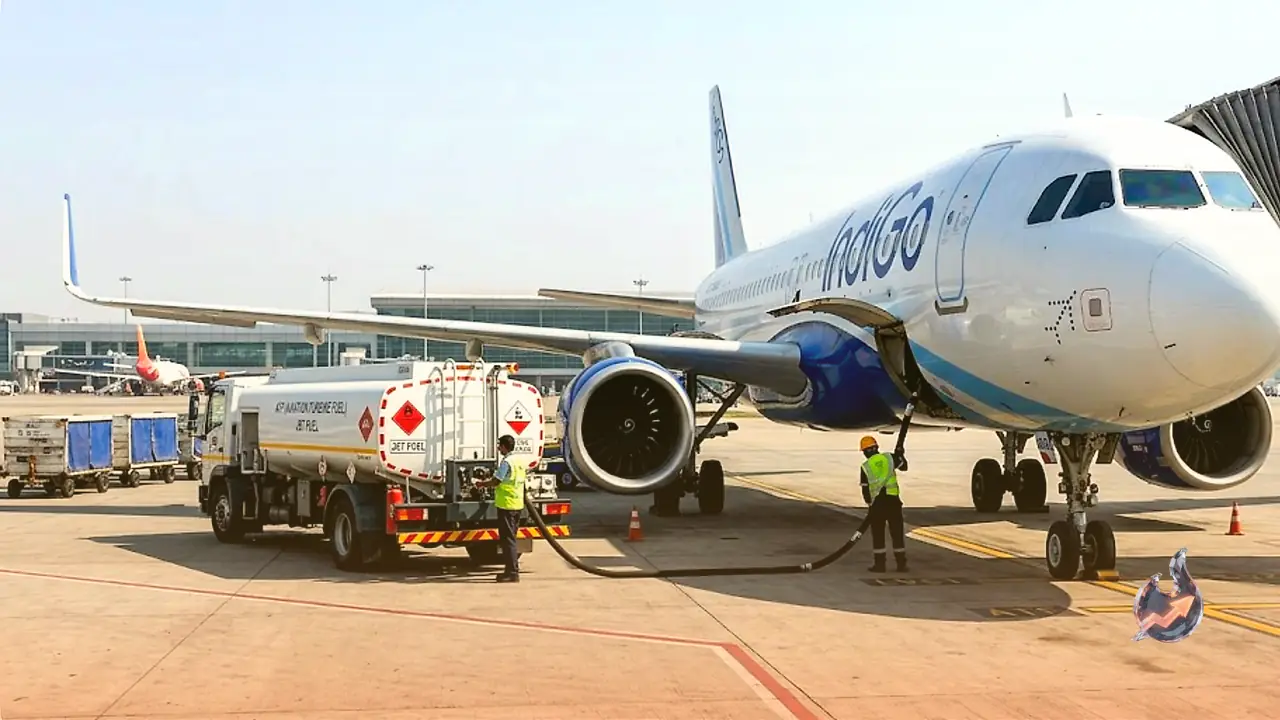

The Indian aviation sector is currently grappling with a range of global and economic challenges that are weighing heavily on profitability. In a significant move to stabilize their financial health, leading airlines including Air India, IndiGo, and SpiceJet have approached the government for urgent relief. The Federation of Indian Airlines (FIA), which represents these major carriers, has written to the Ministry of Civil Aviation requesting the immediate inclusion of Aviation Turbine Fuel (ATF) under the Goods and Services Tax (GST) framework. Airline operators believe that such a landmark policy shift would substantially trim their operational expenditures, providing a relief that could eventually be passed on to the public in the form of more affordable air travel.
Skyrocketing Fuel Costs Putting Pressure on Carriers
Currently, individual states across the country levy varying rates of Value Added Tax (VAT) and excise duties on jet fuel, which keeps prices prohibitively high. According to the FIA, the industry is being squeezed by extraordinary circumstances, including geopolitical instability stemming from the crisis in West Asia, restrictions on flight paths, and the devaluation of the Indian Rupee against the dollar. These combined factors have drastically altered the cost structure for airlines. Previously, fuel costs accounted for approximately 30 to 40 percent of total operating expenses, but that share has now surged to between 55 and 60 percent. Given these high operational costs, conducting flight operations under the current fiscal model has become increasingly difficult and economically punishing for Indian carriers.
The Call for a 5% GST Slab with Input Tax Credit
Beyond the burden of fuel costs, airlines are also dealing with escalating expenses in auxiliary areas such as polymers, petrochemicals, engineering materials, airport services, and logistics. In light of this delicate financial environment, the FIA has requested the Ministry of Civil Aviation to raise this matter with the relevant government departments and stakeholders. The industry is seeking a formal inclusion of jet fuel within the 5 percent GST slab, specifically accompanied by full Input Tax Credit (ITC) benefits, which they deem critical for the sustainability of the aviation sector.
Anticipated Impact on Aviation and General Public
If the government accepts the proposal to bring jet fuel under the 5 percent GST regime, it would result in a massive reduction in the operational costs of airline companies. Once these overheads are lowered, airlines could pass on the benefits to passengers through reduced ticket prices. Furthermore, the implementation of a uniform tax system across the country would bring much-needed financial stability to the aviation industry. This fiscal predictability would enable airlines to enhance their service quality and invest more effectively in expanding their operational reach, which would ultimately foster a more robust aviation market for the country.