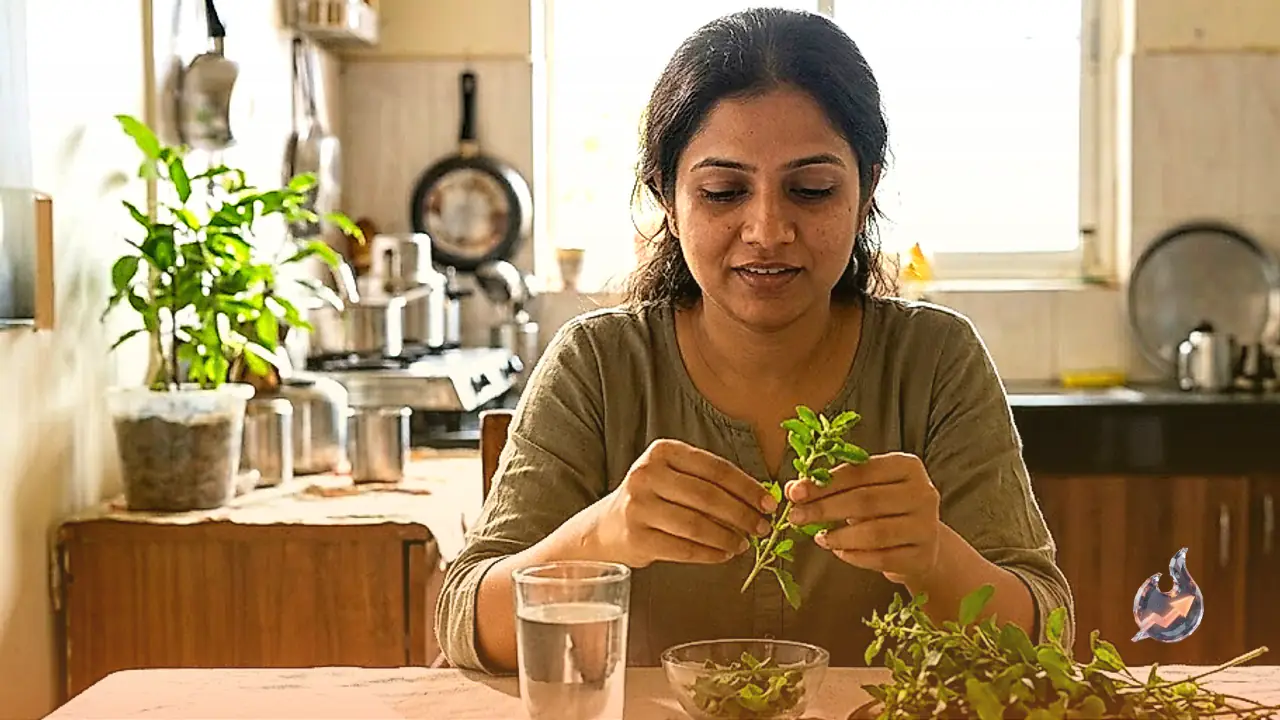























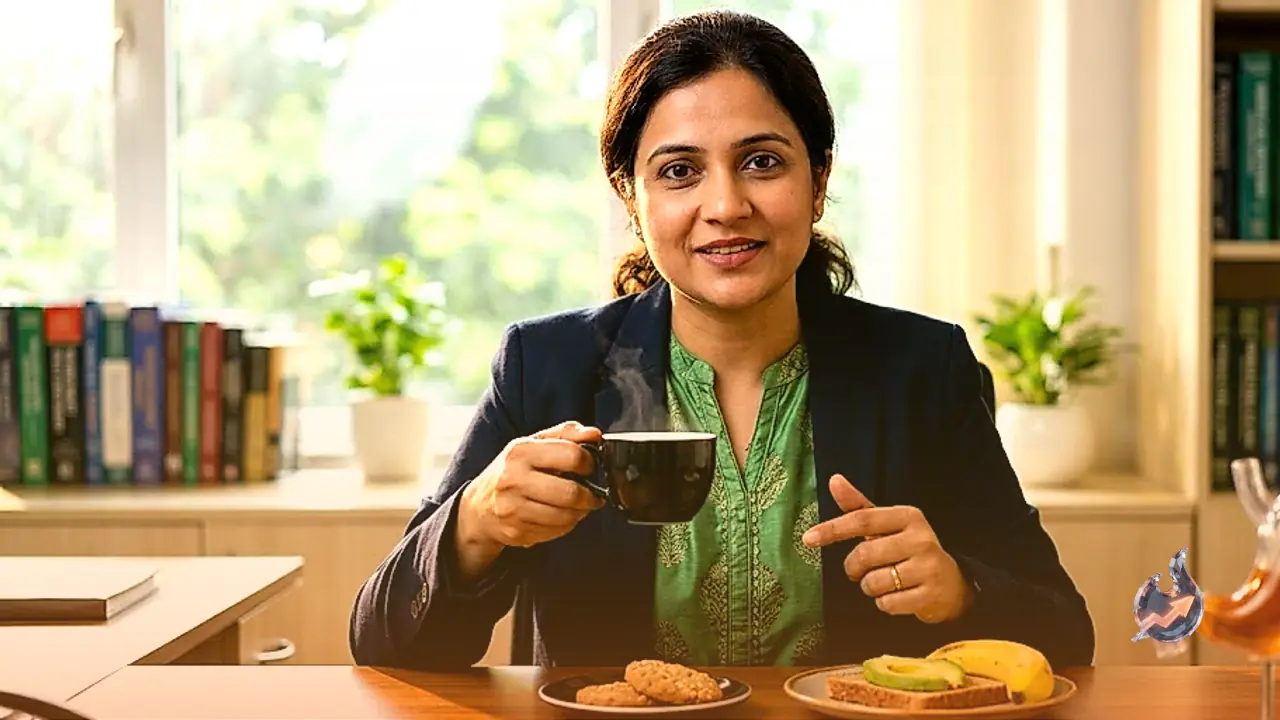

Reaching for a cup of tea the moment you wake up might feel harmless, but doctors say this everyday ritual can quietly wreck your digestion over time. Homeopathic physician Dr. Riddhi Pandey says tea itself is not the villain, the real problem is drinking it on an empty stomach at the wrong time and in the wrong quantity. Her advice is simple: start the day with a glass of lukewarm water first, and only then have tea alongside a light snack.
Why tea on an empty stomach upsets your stomach
According to Dr. Pandey, when tea goes straight into an empty stomach, it speeds up acid production inside it. Certain compounds found in milk tea, along with tannin present in tea leaves, can trigger gas, acidity and other digestive complaints in several people. That is exactly why she recommends drinking lukewarm water first thing in the morning instead of reaching straight for a cup of tea. If this habit continues for a long stretch, occasional acidity, gas and constipation can turn into recurring problems, which is why she stresses correcting the habit early rather than waiting for symptoms to worsen.
Why a light snack alongside tea matters
For those who cannot skip their morning tea, Dr. Pandey suggests pairing it with makhana, biscuits, dry fruits or any light snack. Doing so keeps the tea from hitting an empty stomach directly, which lowers the risk of stomach related trouble considerably. When there is already some light food sitting in the stomach, the compounds in tea do not directly irritate the stomach lining, which in turn reduces complaints like acidity and a burning sensation.
Black tea without milk may work better for some
Compared with milk tea, Dr. Pandey notes that black tea without milk, taken in limited quantity, can be a better option for some people. That does not mean black tea should be consumed without limits though. She is clear that excessive tea of any kind, whether milky or black, can harm health. Experts generally believe that tea made purely from leaves places relatively less burden on the stomach compared with milk and sugar loaded versions, but even this should ideally be capped at a cup or two a day. Keeping the quantity in check is the key condition here.
Does skipping brushing before tea actually clean your stomach?
Many people believe that drinking tea before brushing their teeth in the morning helps clear the stomach more easily. Dr. Pandey dismisses this belief outright, saying there is no solid scientific evidence to back it. In her view, this is largely a matter of habit and a mental association built over years. Repeating the same routine for a long time makes the body get used to that pattern and creates a feeling of the stomach being cleared, but that does not make it a scientifically sound or healthy habit.
Even sugar free tea needs to be had in moderation
Dr. Pandey points out that simply dropping sugar from tea does not automatically make it healthy. Sugar free tea consumed in excess can still cause harm. If you crave sweetness, a limited amount of jaggery can be used instead, though restraint should extend to such substitutes as well, since even jaggery can turn harmful in large quantities. People with diabetes should be especially careful about how much tea they drink and should shape their diet strictly around their doctor's advice rather than general assumptions.
What to drink instead if you want to cut down on tea
For anyone looking to gradually reduce their tea intake, lukewarm water, lemon water or plain water can serve as better morning options. These keep the body hydrated and help the day begin on a lighter note. Dr. Pandey is clear that giving up tea entirely is not necessary, what matters is changing its quantity, timing and the way it is consumed. Instead of drinking tea straight on an empty stomach, have a glass of lukewarm water first and pair the tea with a light snack afterwards, this can meaningfully lower the risk of stomach related issues. This remains general health advice, and anyone dealing with persistent acidity, gas, constipation or other digestive troubles should consult a qualified doctor.