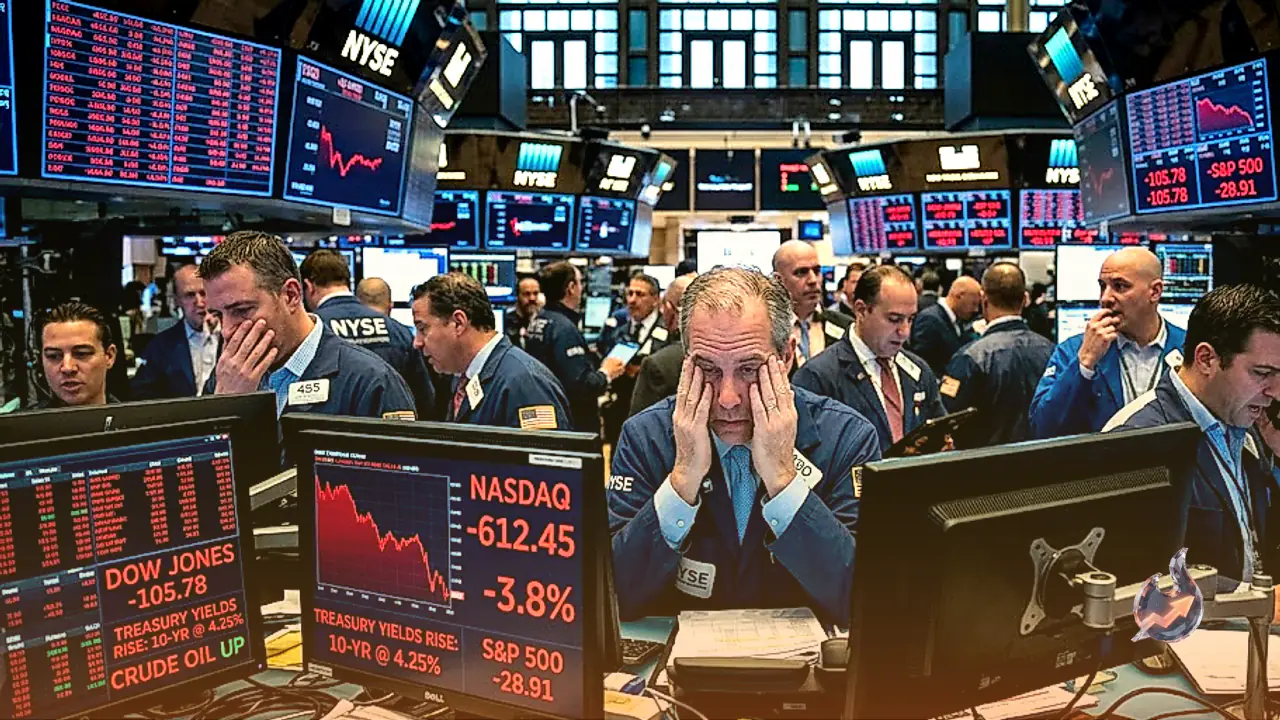





















The June FOMC minutes reinforce the Federal Reserve’s guarded stance, with policymakers unanimously agreeing to keep interest rates unchanged while closely monitoring persistent inflation risks. Although officials acknowledged that downside risks to the labor market have eased slightly, they remain generally concerned about upside pressures on inflation. Several participants explicitly warned that significant price pressures could arise from heightened AI-related investment, the implementation of higher tariffs, or renewed geopolitical tensions in the Middle East. Consequently, staff projections have been revised upward, reflecting expectations for higher inflation in both 2026 and 2027 than was previously anticipated.
Policy Outlook and Committee Communication
A notable takeaway from the meeting is the view among a few policymakers that an additional rate hike could eventually become necessary, despite their support for holding policy steady in June. Nearly all participants indicated that further tightening would likely be required if inflation trends prove less favorable than expected. The minutes also reflect a strategic shift in the Committee’s communication. A majority of participants favored removing language that suggested an easing bias, advocating for shorter post-meeting statements that instead focus on the Fed’s commitment to its dual mandate and the restoration of price stability.
Market Context and Strategic Shifts
While staff projections have modestly downgraded the GDP outlook compared to April, the deliberations indicate that policymakers are far more preoccupied with the persistence of inflation than with a potential slowdown in economic growth. This underscores the reality that the threshold for considering rate cuts remains exceptionally high. The overall message is that of a hawkish hold; the Committee is keen to distance itself from any market perception that policy easing is imminent. This release is expected to bolster the US Dollar and keep Treasury yields supported, while likely exerting continued pressure on rate-sensitive assets. Currently, the US Dollar Index (DXY) is testing the 101.00 level as investors digest these signals amid ongoing geopolitical developments.
The Leadership of Kevin Warsh
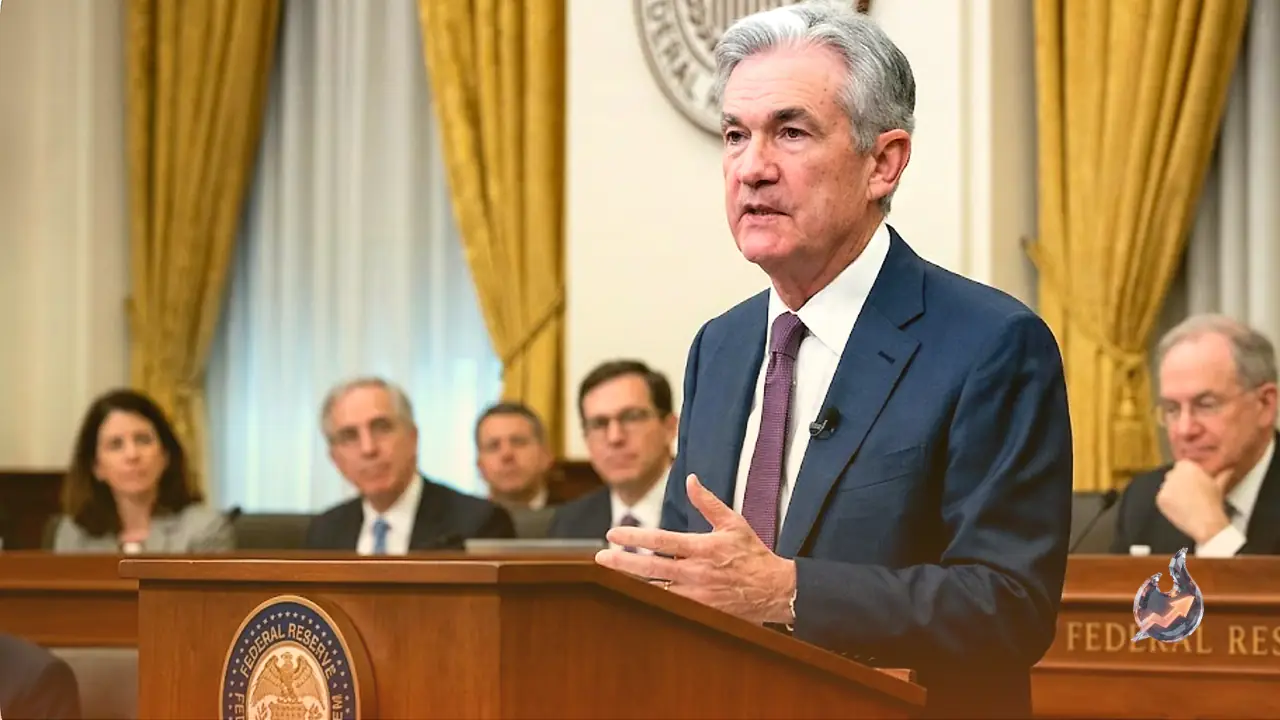
This meeting marked the first under the chairmanship of Kevin Warsh. The influence of his leadership was evident in the reduced, more concise nature of the policy statement. Warsh has shown a distinct reluctance to provide forward guidance, choosing instead to allow the central bank greater flexibility. He has also moved quickly to address concerns regarding the independence of the institution, demonstrating an unambiguous commitment to price stability. Plans are underway for radical changes in how the central bank communicates, utilizes data, and conducts its inflation studies, which could fundamentally reshape the institution's monetary policy stance in the medium term.
Current Data and Technical Analysis
Investors are balancing these developments against the recent disappointing Nonfarm Payrolls (NFP) report, which showed a sharp decline in net employment creation to 57,000, missing expectations of 110,000. While middle-eastern tensions have eased, helping to bring crude oil prices back toward pre-war levels, inflation remains well above the 2% target. Market participants are using the CME FedWatch tool, which currently assigns a 58% probability to a rate hike in September and nearly an 80% chance for further tightening by year-end. In the current market, Gold (GC=F) is priced at $4,094, reflecting a daily decline of 1.25%. Technical indicators show the 14-day RSI at 41, with the asset remaining in a broader long-term downtrend.