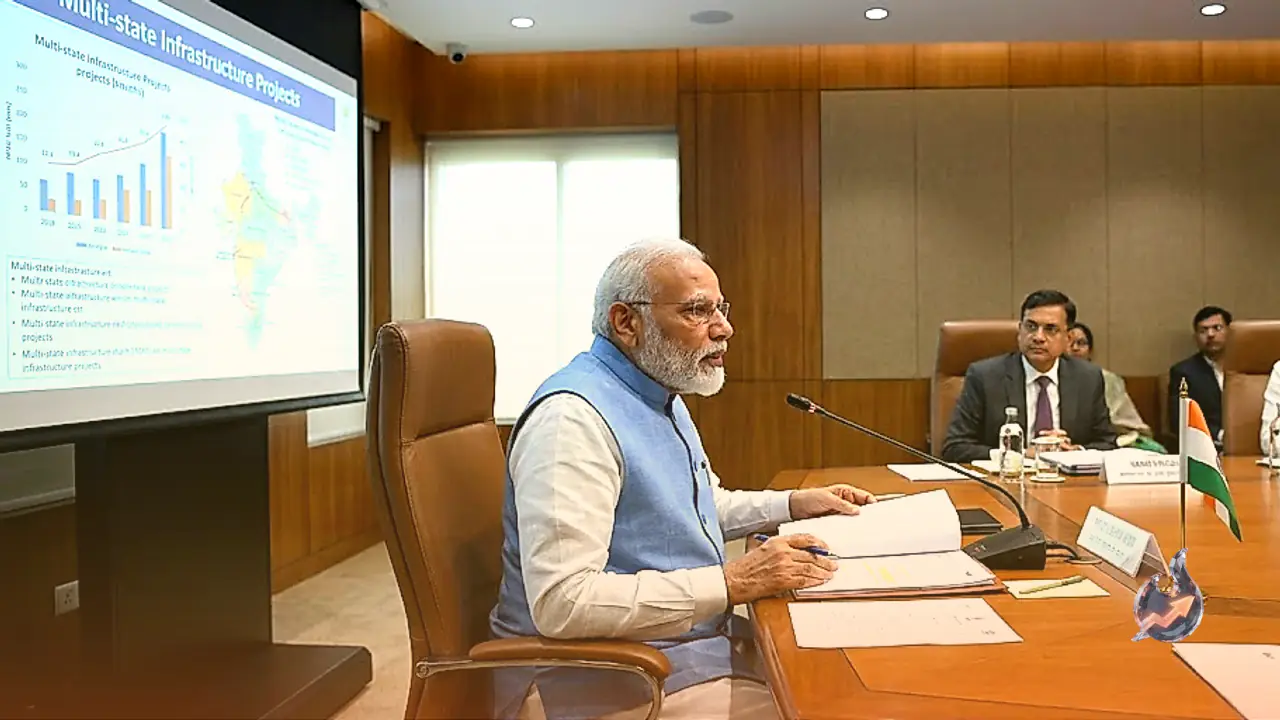



















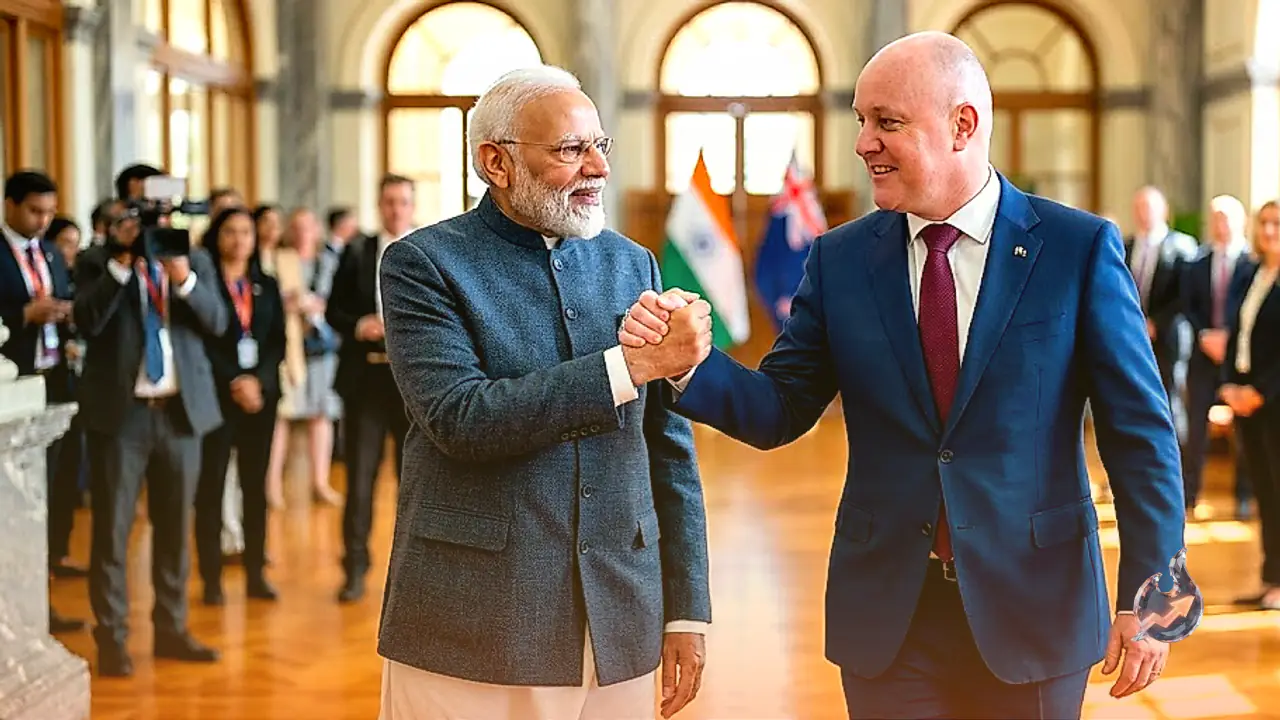

Prime Minister Narendra Modi recently took to the social media platform X to celebrate a transformative period in the relationship between India and New Zealand. He emphasized that the current year has served as a landmark for the partnership between the two nations. Beyond the swift conclusion of a Free Trade Agreement (FTA) reached in record time, both countries have now officially elevated their diplomatic ties to the level of a Strategic Partnership, marking a significant milestone in their geopolitical cooperation.
Economic Ambitions and Trade Targets
The economic agenda for this partnership is clearly defined, with a bold target to double bilateral trade by 2030. This initiative reflects a growing synergy between the two economies, aimed at fostering mutual prosperity through enhanced investment and collaborative innovation. Observers note that this goal represents a concrete step toward cementing the long-term economic reliance and trade integration that both governments have been working toward over the past several months.
Context of Evolving Relations
The strengthening of these ties follows a series of positive engagements between New Delhi and Wellington. The Prime Minister of New Zealand has publicly confirmed the elevation of the relationship, which builds upon the foundational trade discussions that gained momentum in late 2025. This diplomatic alignment complements recent interactions in other spheres, including high-profile sporting events like the T20 World Cup, where the competitive spirit and professional respect between the two nations have been frequently highlighted on the global stage.
Public Reaction
Public response to the announcement has been largely optimistic, with many observers welcoming the focus on economic growth and international stability as a prudent move for both nations. Meanwhile, a section of the public is keenly observing the roadmap for 2030, expressing enthusiasm for the potential growth opportunities while remaining focused on the tangible impact this agreement will have on bilateral commerce.