

















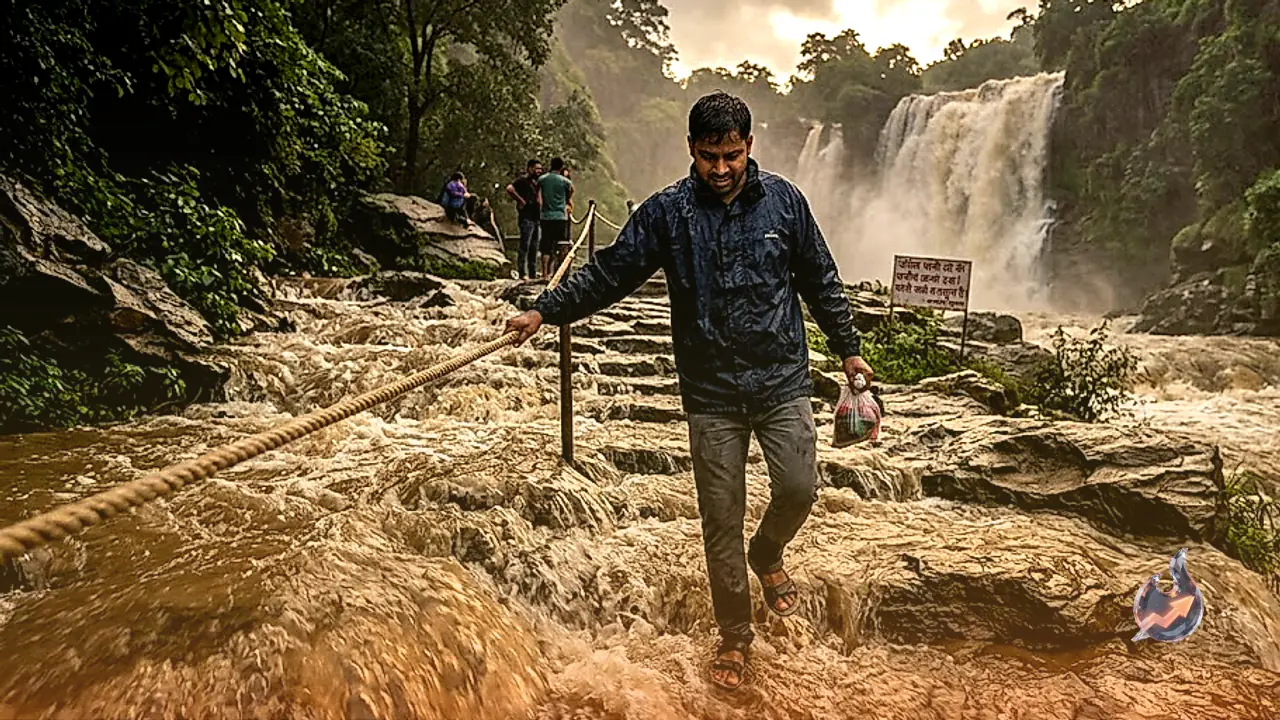

Travelers planning a visit to Saharanpur should be aware that the monsoon season presents significant risks to public safety. Given the local terrain and the potential for flash floods in river systems, several popular tourist attractions become dangerous during heavy rainfall. Below is a detailed look at eight locations that tourists must avoid during the rainy months.
The Risks in the Shakambhari Region
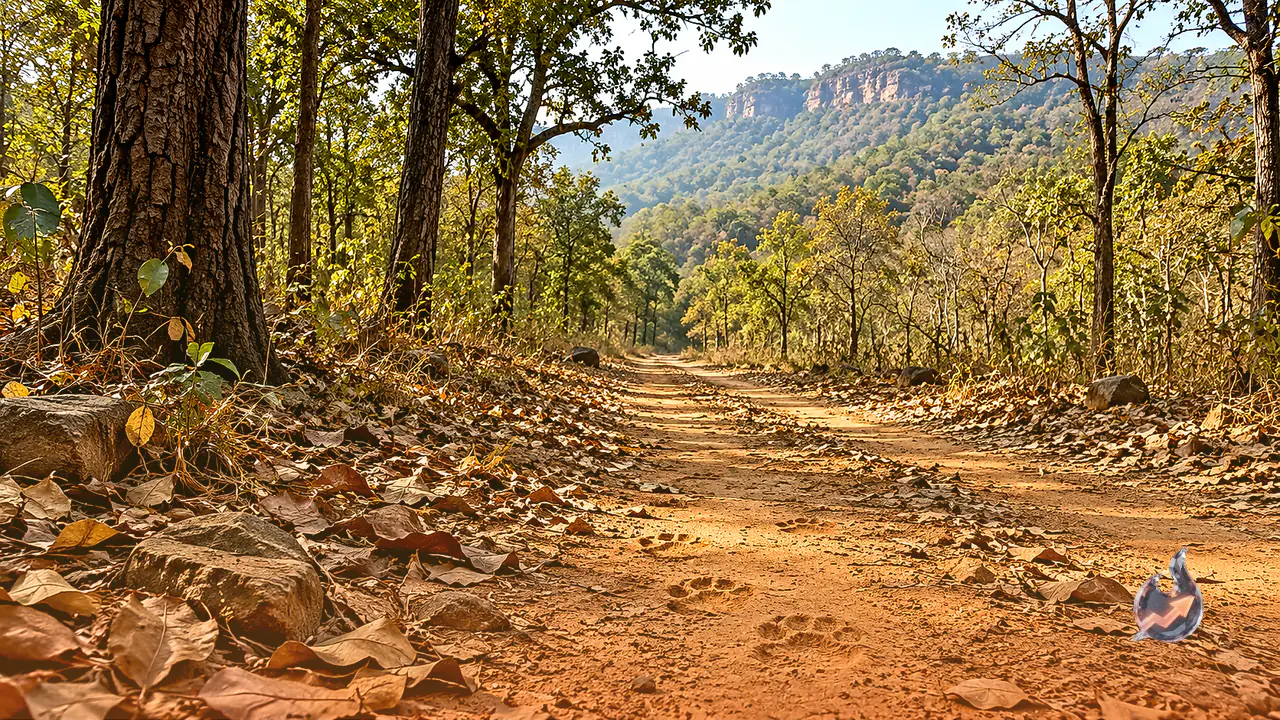
The Shakambhari region of Saharanpur is particularly sensitive during the monsoon. Every year, sudden increases in water levels in seasonal rivers lead to unfortunate accidents involving pilgrims. Local advice suggests that visiting this area while it is raining is a high-risk activity. It is much safer to plan your visit to the Maa Shakambhari temple and enjoy the natural hill landscape after the monsoon season concludes.
Mini Goa Beach and the Yamuna River
While the Mini Goa Beach in Saharanpur has gained popularity, it becomes completely unsafe during the monsoon. The heavy influx of water from the mountains causes the Yamuna River to swell significantly. Engaging in recreational activities or bathing in these conditions is hazardous and should be strictly avoided.
Natural Swimming Pools and Mirzapur
The natural wild swimming pool tucked away in the Shivalik hills gets completely filled with turbulent runoff during the rains. The water flow becomes very fast and carries significant impurities, making it unsafe for visitors to swim. Similarly, the local swimming spot in the Mirzapur region transforms into a river during the monsoon. It brings down debris, heavy logs, and large rocks from the mountains, turning the area into a dangerous zone.
Waterfalls and Hathinikund Barrage
The natural waterfalls in the Shivalik range become dangerous channels for gushing water and debris during the monsoon. To ensure public safety, local authorities often restrict entry to these sites, so visitors should stay away. Furthermore, the Hathinikund Barrage, situated on the border between Saharanpur and Haryana, witnesses a massive rise in the Yamuna water level, and picnics or loitering are prohibited for safety reasons.
Phulwari Ashram and Ganga-Yamuna Sangam
During the monsoon, the Phulwari Ashram is closed to the general public because the nearby Paudhoi River overflows, causing the entire region to become waterlogged. Likewise, the confluence of the Ganga and Yamuna rivers in the Kua Kheda area experiences extremely strong currents during the rainy season. Bathing and visiting are prohibited for safety, making it essential to avoid this location until weather conditions improve.