

















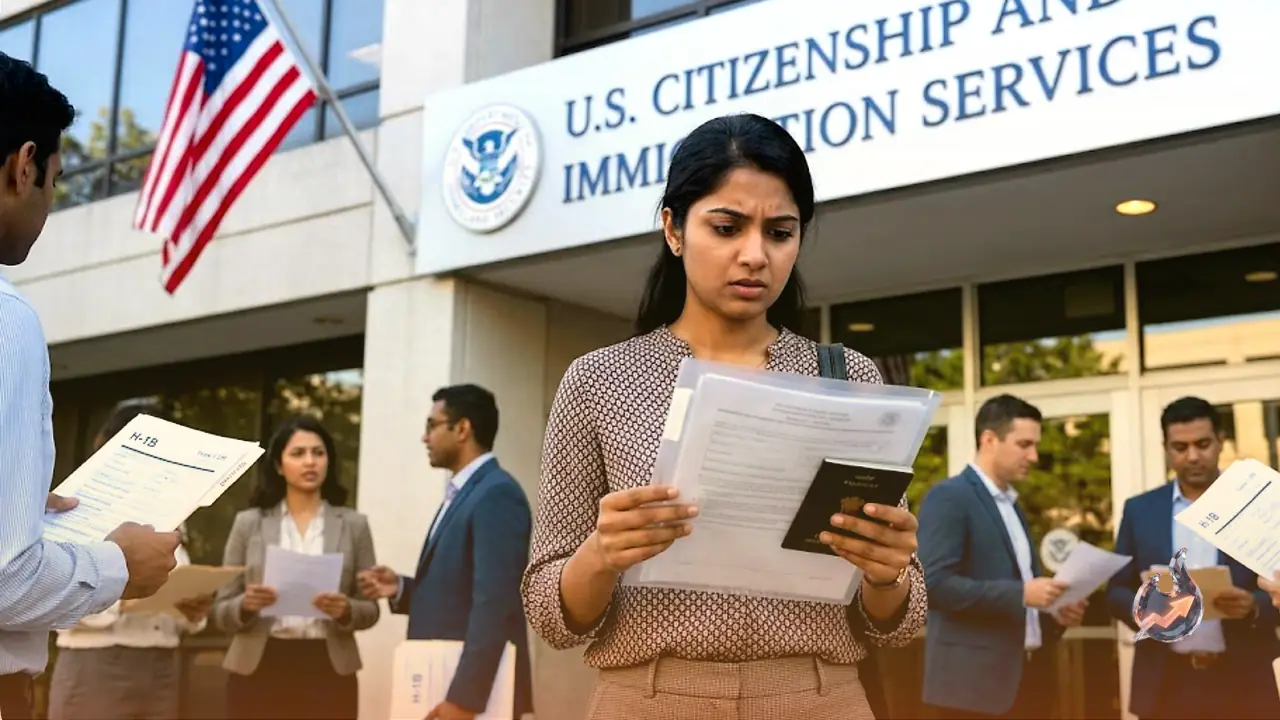

Indians who depend on U.S. work and study visas may be staring at a tough few months ahead. The Donald Trump administration is preparing to overhaul rules covering H-1B work visas, the green card process, visa renewal fees and student visas, all around the same time. Because Indians make up the largest share of applicants in these visa categories, Indian IT professionals, major outsourcing firms and hundreds of thousands of Indian students in the United States stand to be affected the most.
Tougher Rules for Third-Party Placements
The biggest jolt is expected from a rule taking effect in August. Right now, many companies send their H-1B employees to work on projects for a separate, third-party company. Under the new rule, doing this will no longer be simple. Employers will have to submit documentary proof that a genuine employer-employee relationship exists with the worker, and that the worker is assigned to a specific, well-defined role. Companies that have failed to follow the rules in the past will see their new visa petitions go through much closer scrutiny. This could make it significantly harder for staffing and IT services firms to place employees at client sites.
Renewals Will Cost as Much as New Hires
A second rule due in July will hit company budgets directly. Firms where more than half the workforce holds H-1B or L-1 visas currently pay an extra fee only when they hire a new employee on these visas. Under the new proposal, that same steep fee will also apply when renewing the visas of existing employees. On top of that, entry-level foreign workers will need to be paid considerably higher salaries than before. In effect, both hiring a foreign worker in the U.S. and keeping that worker's visa valid are set to become far more expensive.
First Major Green Card Overhaul Since 2004
The labor certification rules that companies must clear before sponsoring an employee for a green card are also being rewritten. This marks the first time the entire system has been updated since 2004. Before a company can sponsor a foreign employee for a green card, it will now have to meet strict conditions related to any recent layoffs at the firm. The goal is to prevent American citizens from being disadvantaged, ensuring companies cannot lay off local staff and then push ahead with green card sponsorships for foreign workers.
Student Visas Will Now Come With a Fixed Expiry
Indian students studying in the U.S. face a major shift as well. Until now, a student could remain in the country for as long as they stayed enrolled in their course of study. That will change: student visas will instead be issued for a fixed period, capped at a maximum of 4 years. If a course or degree takes longer to complete, the student will have to separately apply to U.S. authorities for an extension of stay. The change matters enormously given that around 3.60 lakh Indian students are currently studying in the United States, accounting for 31 percent of all foreign students there. Adding to the uncertainty, the post-study work training program is scheduled for a review in February 2027, which could create further hurdles for students down the line.
Spouses on H-4 Visas Face Work Disruptions
Another significant blow awaits spouses of H-1B visa holders who work in the U.S. on H-4 visas. Under a rule due this month, the 'automatic extension' that currently kicks in while a work permit renewal application is pending will be scrapped. That means the moment an existing work permit expires, the employee will have to stop working and wait until a new permit card arrives. Since USCIS, the U.S. immigration agency, typically takes considerable time to approve these cards, many H-4 visa holders could end up with a long gap in their employment.
What Comes Next
Immigration experts say it will still take a few months for all these rules to be fully implemented, but they are advising companies and students to start planning ahead now rather than waiting for the changes to take effect. The Trump administration's intent on this front appears unambiguous, and the coming months are set to have a direct impact on Indian workers, students and companies alike.