




















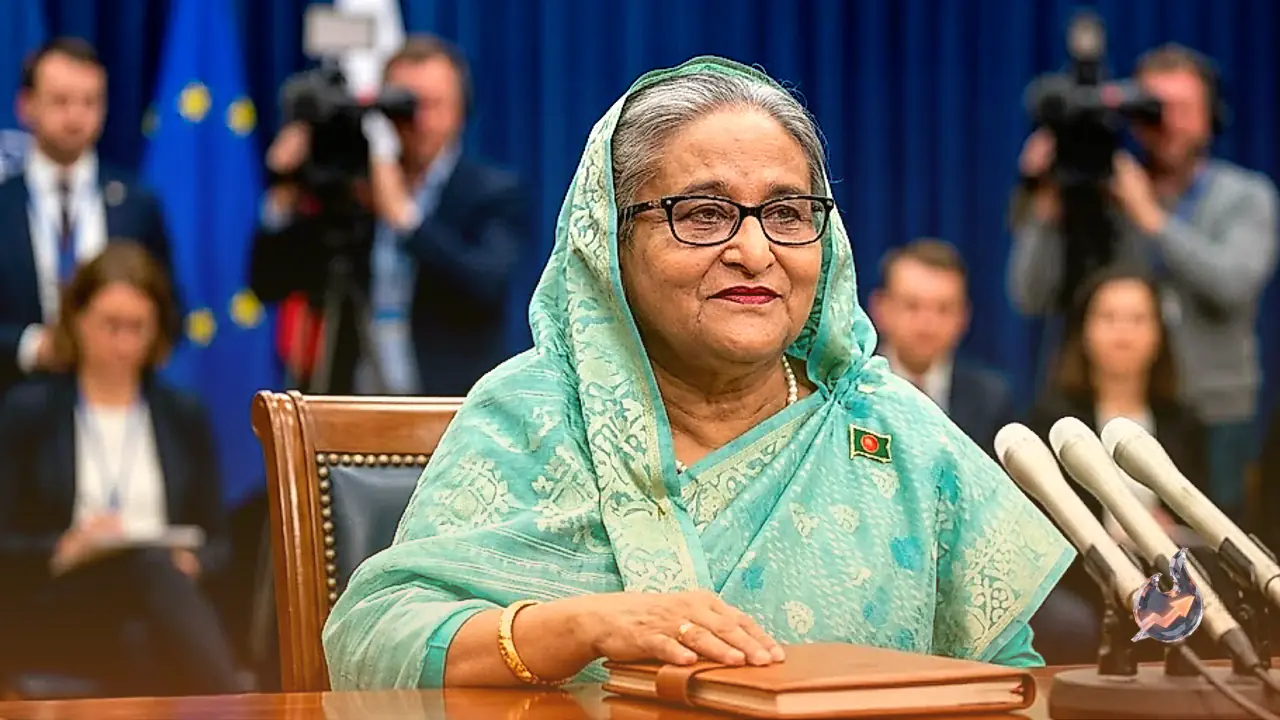

In a significant political development, former Prime Minister Sheikh Hasina has announced her intention to return to Bangladesh. During a recent interview, she declared that she, along with other exiled leaders of the Awami League, plans to voluntarily return to the country around December. Hasina is fully aware that such a move carries severe risks, including the high probability of arrest or even death upon arrival. This planned return comes following the student-led uprising in August 2024, which forced the collapse of her administration and led her to seek refuge in India.
Plan to Surrender Before the Court
Elaborating on her decision, Sheikh Hasina stated that she intends to surrender before the judicial courts once she returns to Bangladesh. She clarified that there have been no negotiations or discussions regarding this homecoming with the current authorities operating out of Dhaka. During the interview, Hasina openly acknowledged the dangers, stating that she realizes the authorities might arrest her or potentially end her life, yet she emphasized that the return is something she feels compelled to undertake.
A Desire to Face Fate at Home
Sheikh Hasina expressed deep concern over the current plight of her political supporters and party members who are enduring significant repression within the country. She articulated a strong resolve to face the consequences on her home soil, noting that if death is inevitable, she prefers for it to happen where her parents are buried and where their blood was shed. This deep-rooted connection to the land and the history of her family remains a primary driver for her decision to return despite the immense personal peril involved.
Legal Verdicts and Capital Punishment
This announcement follows a major ruling by Bangladesh’s International Crimes Tribunal, which found Sheikh Hasina guilty of crimes against humanity. The charges stem from the state's handling of the student-led protests in 2024, which eventually led to the downfall of the Awami League government. The tribunal held her responsible for failing to prevent the deaths of protesters during the period of intense civil unrest, ultimately sentencing her to death.
The same judgment included severe penalties for other former officials as well; the tribunal sentenced former Home Minister Asaduzzaman Khan Kamal to death and former Inspector General of Police Chowdhury Abdullah Al-Mamun to five years in prison. Furthermore, the judicial body has issued directives for the state to seize the assets belonging to both Sheikh Hasina and Asaduzzaman Khan Kamal as part of the legal enforcement process.