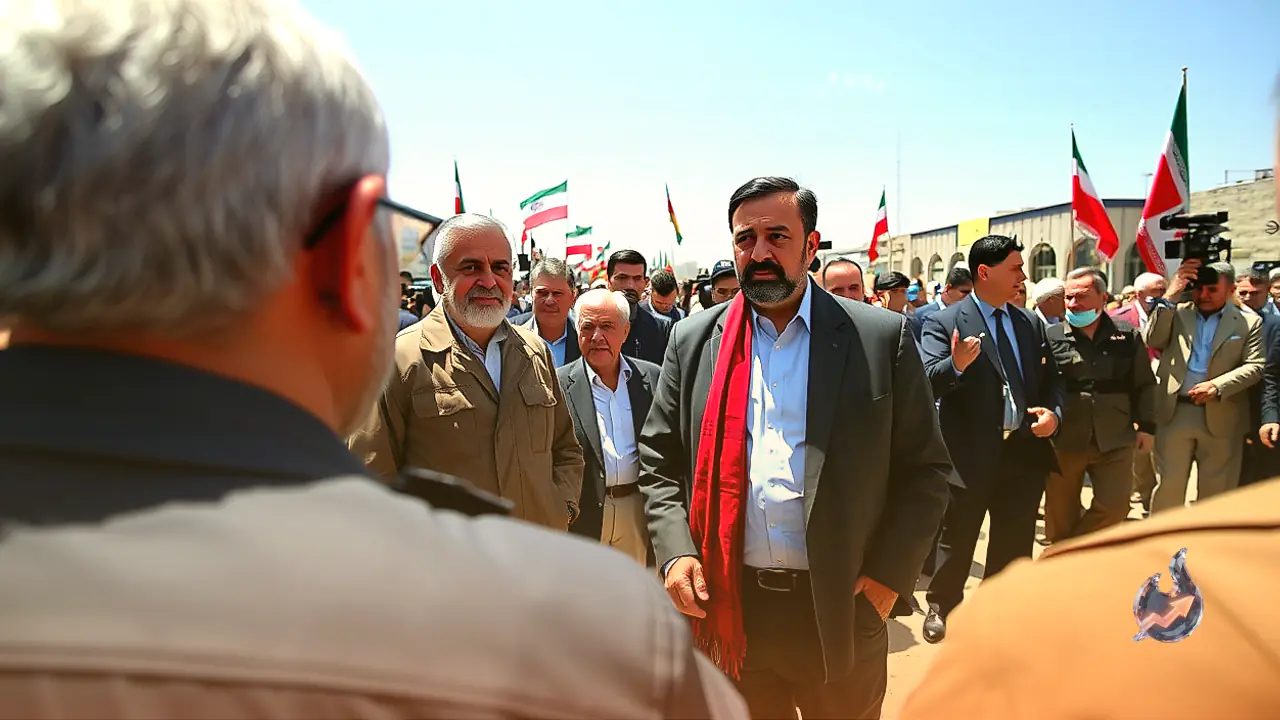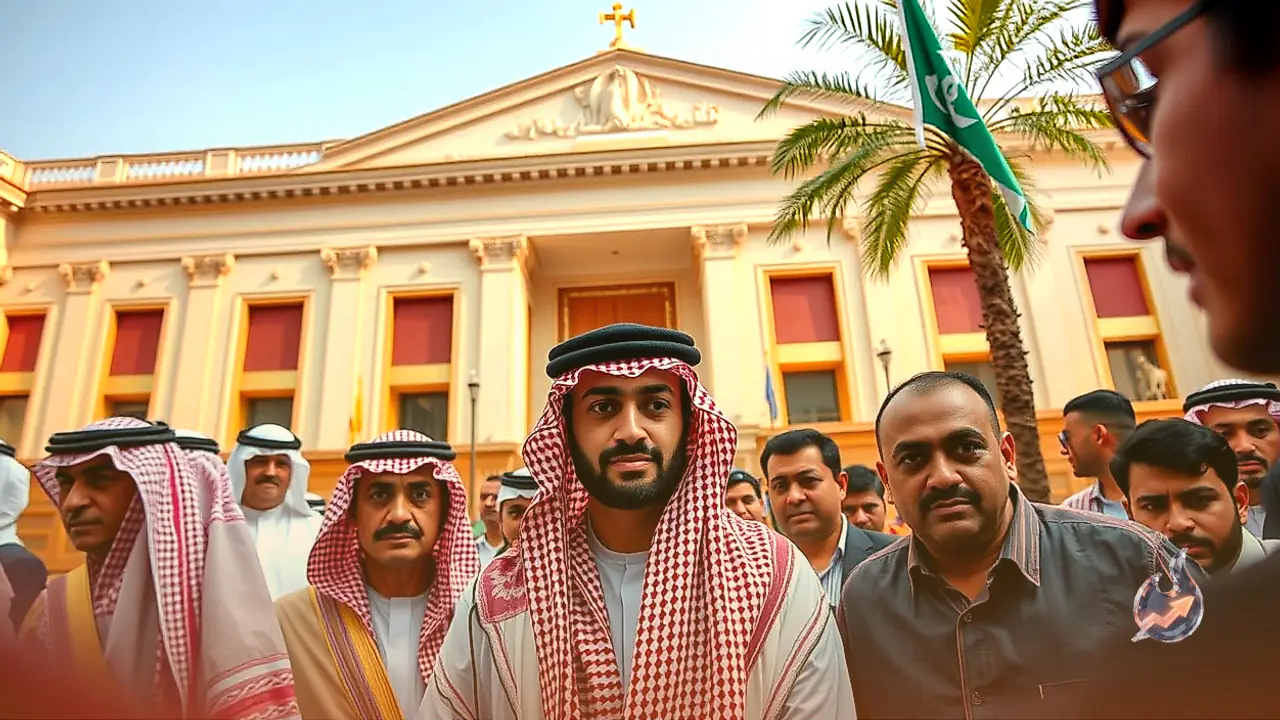






















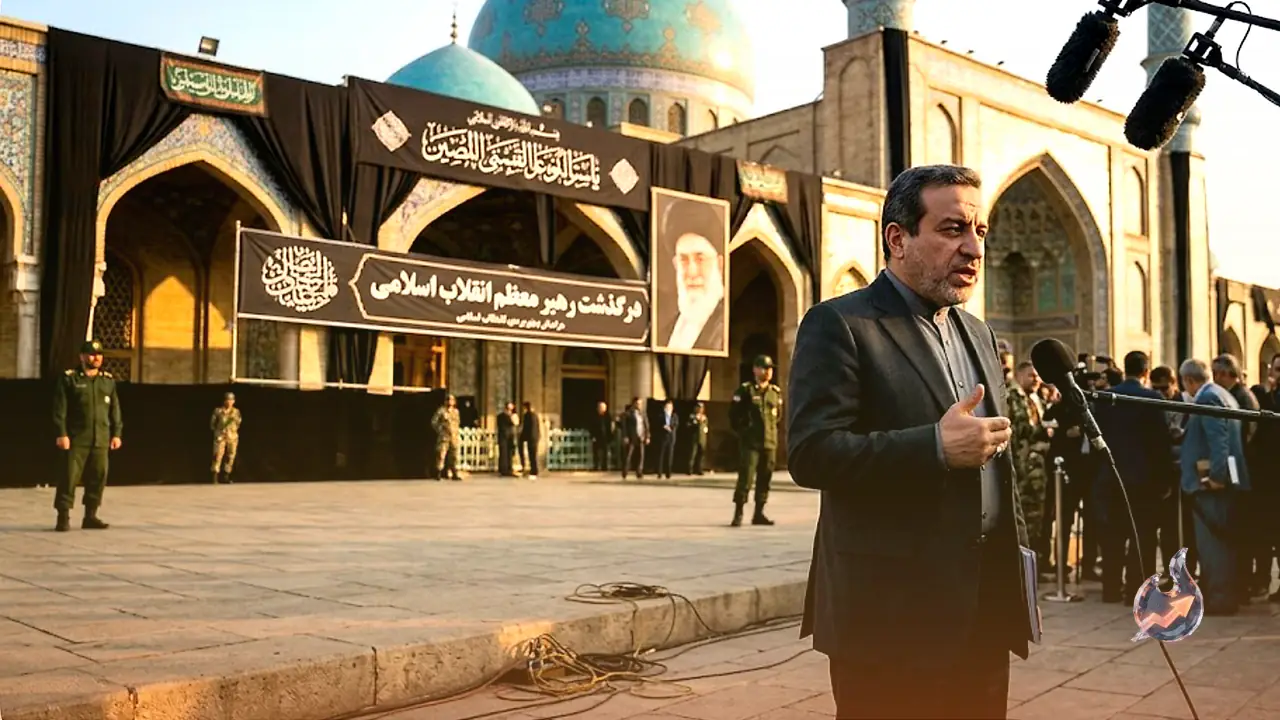

Iran's current supreme leader, Mojtaba Khamenei, will not attend the funeral of his father and former supreme leader, Ali Khamenei, due to security concerns. The disclosure came from Ayatollah Hakim Elahi, the representative of Iran's supreme leader in India, who said that with Israel issuing repeated threats and stepping up surveillance, it was not considered safe for Mojtaba Khamenei to make a public appearance at the funeral. That assessment is why he has chosen to stay away from the ceremony, even as tensions between Tehran, Washington and Tel Aviv remain unusually high.
Araghchi tells Washington to rein in Israel
Separately, Iran's foreign minister, Seyed Abbas Araghchi, issued a sharp warning to the United States on Wednesday, telling President Donald Trump directly to control Israel. The remark followed a claim attributed to Israeli defense minister Israel Katz that Iran's supreme leader, Mojtaba Khamenei, is being targeted. Writing on the social media platform X, Araghchi said the terms of the Islamabad MoU are completely clear and available for everyone to see. He added that the US president had committed, on behalf of Washington, to keeping his allies in Tel Aviv in check, and that if they fail to comply, Iran will teach them a lesson. He also made clear that any threat against Iran's people and leadership would draw an immediate and firm response.
Katz says Mojtaba is 'marked for death'
Araghchi's post also referenced Katz's earlier remarks. Katz had said on Monday that Iran's supreme leader, Mojtaba Khamenei, is marked for death. He also took a jab at Iranian negotiators, calling them good bargainers for trying to extract concessions during the talks. Katz reiterated that Israel will not allow Iran to develop nuclear weapons under any circumstances, though he added that it would be better if this happened through an agreement rather than by force. In his words, it would be even better if it happens through an agreement.
The exchange between Araghchi and Katz comes at a sensitive moment, with Doha-based talks between Washington and Tehran already underway in an attempt to prevent further escalation after the recent war between Iran, Israel and the United States.
All sides agree to keep talking in Doha
Before this exchange, Qatar and Pakistan held separate meetings in Doha with representatives of the United States and Iran on July 1. Those meetings saw positive movement on issues tied to a 14-point MoU. Majed Al Ansari, adviser to Qatar's prime minister and official spokesperson for the foreign ministry, said on X that all parties have agreed to continue the dialogue. He added that the next round of talks would be scheduled soon, once the funeral proceedings for the former Iranian supreme leader are completed.
Mourning events set for July 4 to 9 across Iran and Iraq
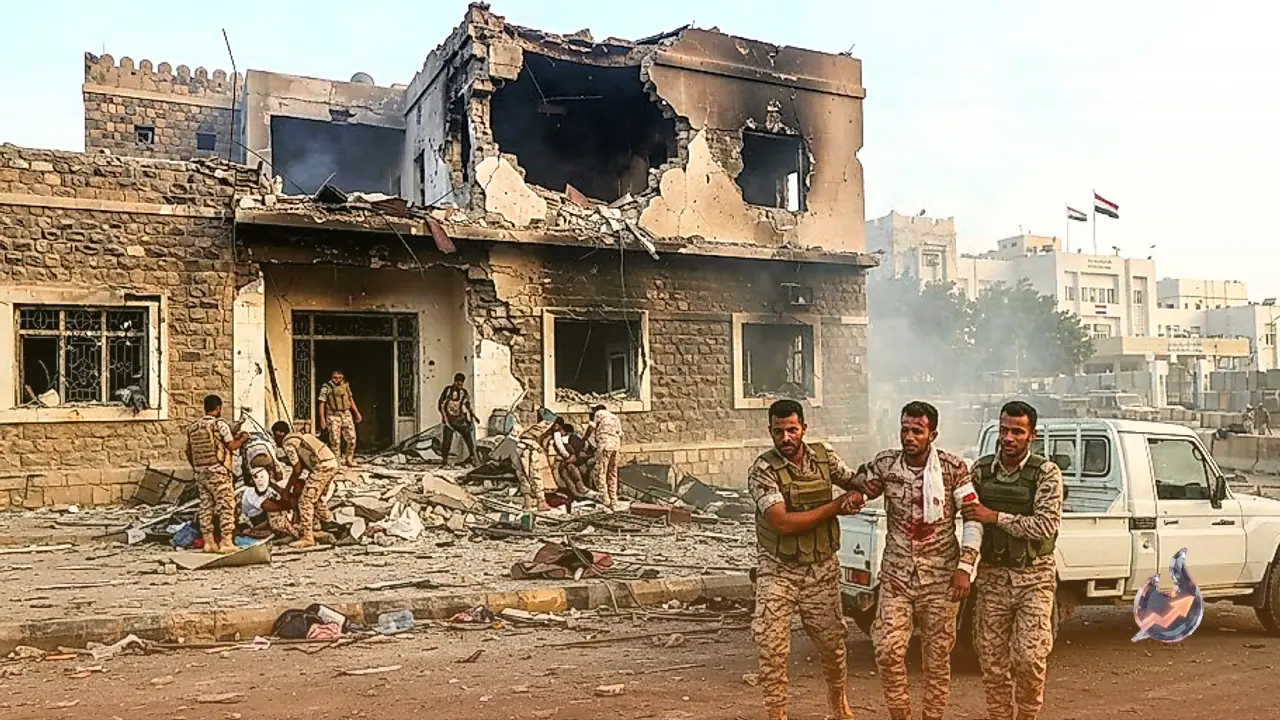
Iranian officials said the funeral-related events for former supreme leader Ali Khamenei will be held at various locations across Iran and Iraq between July 4 and July 9. Ali Khamenei died on February 28 in an airstrike that took place on the first day of the war between the United States, Israel and Iran. The overlap between the mourning period and the diplomatic track means the next steps in the Doha negotiations could hinge on how events unfold in the days right after the funeral.