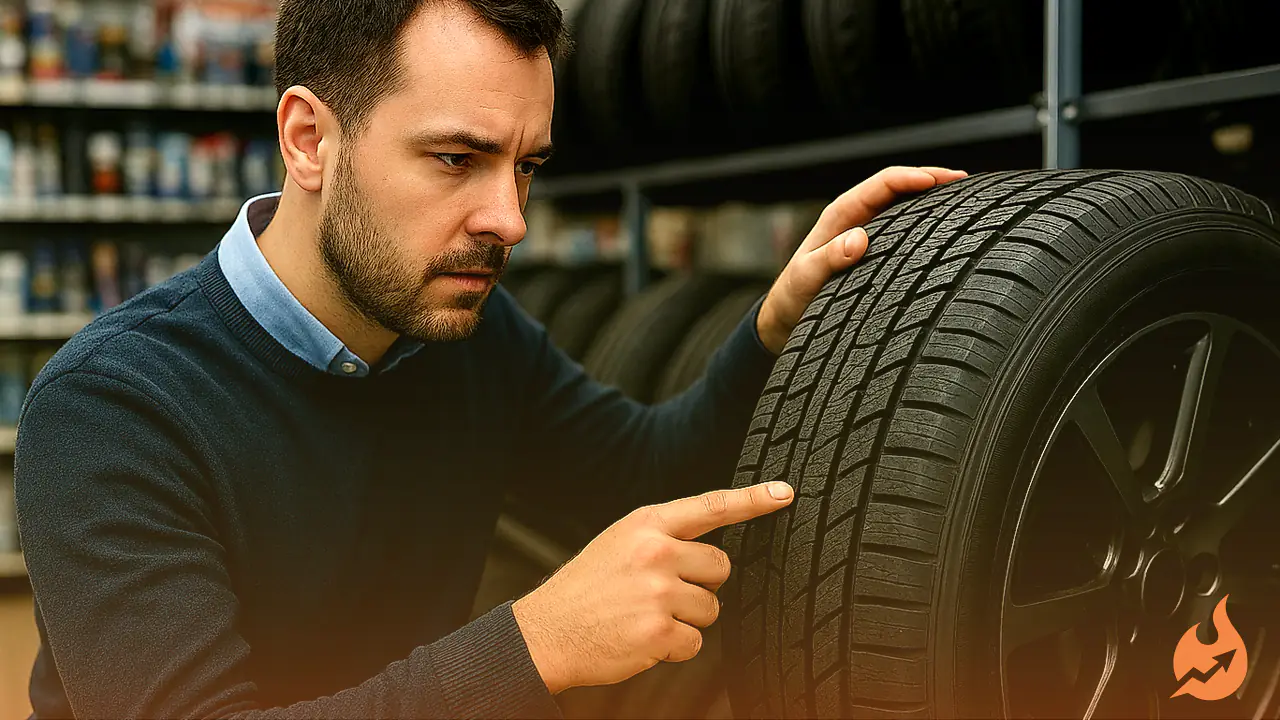

The moment the monsoon arrives, water starts collecting on the roads and the risk of cars sliding shoots up. Year after year, a vehicle losing traction on a wet surface turns out to be a major cause of road accidents. The most effective — and surprisingly the cheapest — defence against this is simply the right set of tyres. The trouble is that most buyers decide on a tyre by looking only at the brand and the price, while the real safety lies hidden in a few technical features.
The three points below are the ones to scrutinise so that your car stays stable and safe even on slick, water-logged roads. The payoff is twofold: the chance of an accident drops, and the tyre itself lasts longer. Let's go through them one by one.
1. Tread Pattern and Its Depth
The tread pattern is the single most important thing to check, because the whole game is about pushing water out from under the tyre. Pick tyres with wide and deep grooves so that rainwater can drain away quickly. Tyres with an asymmetrical or directional tread pattern throw the water out to the sides and prevent hydroplaning (aquaplaning) from setting in.
Keep an eye on depth too — the tread depth should be at least 4-5 millimetres. In old, worn tyres where the tread has rubbed away, a film of water gets trapped between the road and the tyre and grip disappears entirely. That is why you should always choose tyres engineered specifically for wet performance.
2. Wet Grip Rating and Rubber Compound
Every tyre label carries a wet grip rating ranging from A to G. The most dependable performance in the rain comes from tyres rated A or B, so pay close attention to that letter before you buy. The quality of the rubber matters just as much — tyres made from a silica-mixed high-performance rubber compound stay soft even in damp conditions and hold the road better.
Cheaper tyres, on the other hand, use ordinary rubber that hardens in cold, wet weather and weakens the grip. So lean towards branded tyres, especially the ones clearly tested for wet conditions.
3. Correct Size, Speed Rating and Load Index
Fitting the wrong size of tyre directly hurts the way your car handles. Always choose the size printed in the car's manual or on the sidewall of your existing tyre — for example, 205/55 R16. Beyond that, the speed rating (V, W, Y and so on) and the load index should match your car's weight and speed. When the specification is spot on, the car stays steadier in the rain and the braking distance shortens.
Buying Right Isn't Enough — Maintenance Counts Too
Keep these three things in mind while buying tyres and you will be able to drive through the monsoon without worry. But remember that buying a good tyre is not the finish line — checking the tyre pressure regularly and getting the tyres rotated on schedule is just as essential. The real secret of safe driving comes down to two things: good tyres beneath your feet and caution at the wheel.