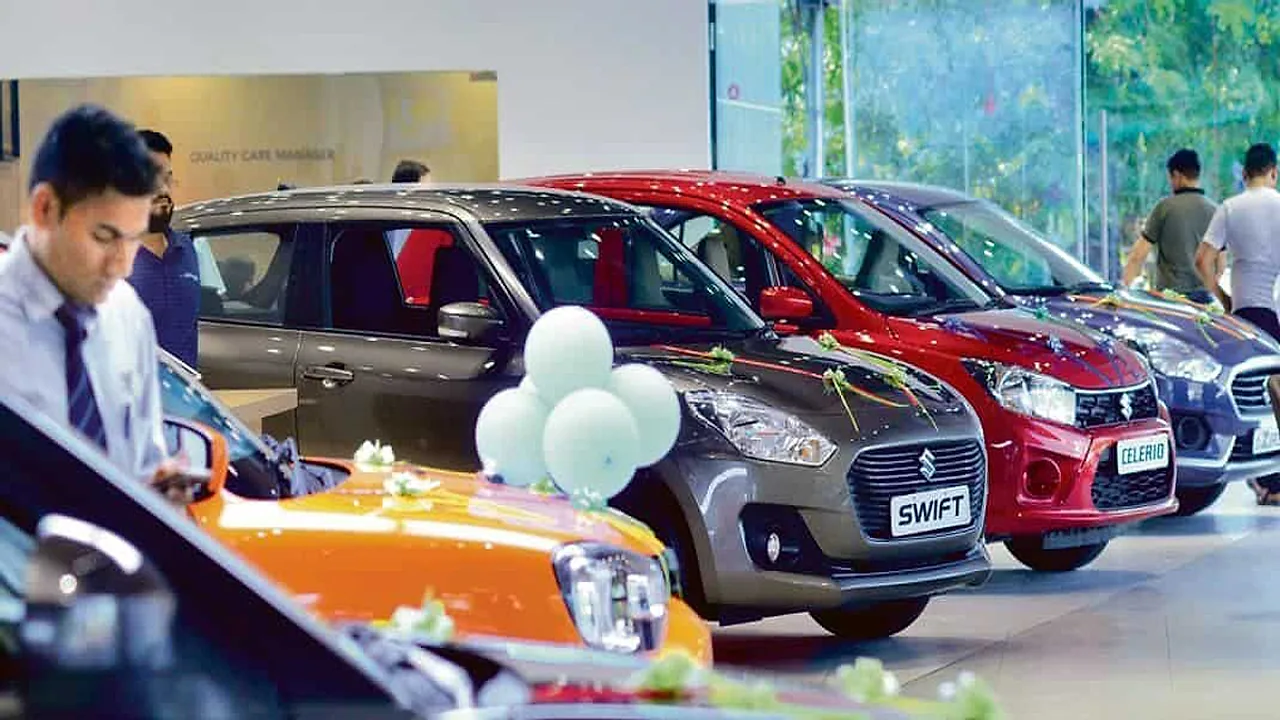

The relentless climb in petrol and diesel prices is quietly reshaping India's car market. Frustrated by costlier fuel, buyers are switching to electric vehicles (EVs) at such a pace that manufacturers are struggling to keep up with the orders pouring in. The result is a growing queue of customers waiting anywhere from one month to three months to take delivery of popular electric models.
Buyers Rush Maruti and Mercedes Electric Cars
Maruti Suzuki, India's largest carmaker, has become the clearest example of this shift with its new electric SUV, the e-Vitara. Bookings for the model have doubled in just the past month, and dealers say customers may now have to wait 6 to 8 weeks to get their car delivered.
At the luxury end of the market, the Mercedes-Benz electric CLA sedan has drawn an equally strong response. According to the company, demand has climbed so sharply that some dealers have temporarily stopped accepting fresh bookings altogether. Those who do order the model are currently looking at a waiting period of 2 to 3 months.
BMW and Tata Feel the Same Surge
In the premium space, BMW India has admitted that demand for its electric cars has run well ahead of expectations, prompting the company to request more vehicles from its headquarters. The numbers tell the story: in May, electric cars accounted for roughly 33 per cent of BMW's total sales.
The picture is much the same for Tata Motors on the domestic front. The company says its EV bookings have grown to nearly double its actual deliveries. In other words, buyers are ready and waiting, but supply chain challenges are holding back how quickly the cars can reach them.
Mahindra and MG Models Also Stuck in the Queue
This boom is not limited to a handful of brands. Mahindra's electric SUVs, the XEV 9e and the BE 6, currently carry waiting periods of 4 to 8 weeks. Meanwhile, the JSW MG Motor Windsor and ZS EV — both of which were easily available not long ago — now reach buyers only after a wait of around a month.
Why Customer Behaviour Has Changed
Auto industry experts trace the entire shift back to fuel inflation. They believe that mounting tension in West Asia and the rising price of crude oil are rapidly pulling buyers toward electric vehicles. What is striking is the change in mindset: where companies once had to persuade customers to even consider an EV, buyers now arrive at showrooms already informed and asking for electric cars by name.
Demand Could Climb Even Higher
The industry expects that if petrol and diesel prices stay high, the appetite for electric vehicles could grow further in the months ahead. That is why carmakers are now racing to expand their production capacity and smooth out supply bottlenecks, hoping to rein in the lengthening waiting lists.