
Chapra's Big Step Toward Energy Self-Reliance
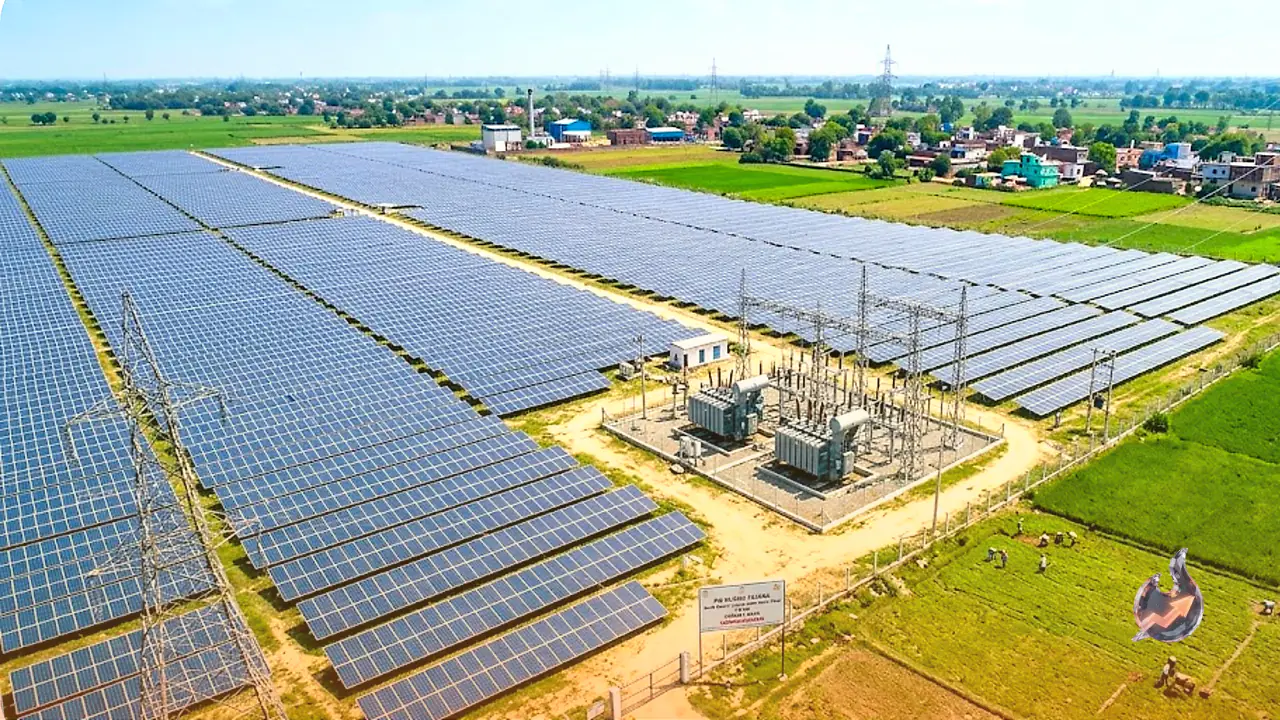
The Chapra district of Bihar has notched up a significant achievement in renewable energy. North Bihar's largest solar power plant has been commissioned at Manjhi Nagar Panchayat Uttar Tola in the district, built at an investment of approximately Rs 12 crore. For a region that has long struggled with a yawning gap between electricity demand and supply, this plant marks a turning point, promising steadier power for homes, factories and agricultural operations alike.
2.9 Megawatt Grid-Connected Facility
The plant is a 2.9 megawatt grid-connected solar power facility. While it is described as covering 8 acres, engineer Nagmani Kumar told TrendKia that the plant actually spans 16 acres. He confirmed that power supply to the grid has already commenced and that the plant has been formally inaugurated. All electricity generated here flows directly into the state's power grid, from where the electricity department distributes it based on demand.
PKVN Solar Private Limited and Havells at the Helm
The plant is being operated by PKVN Solar Private Limited in collaboration with Havells. The arrangement ensures that generated power feeds seamlessly into the state electricity grid, with the department then channelling it to where it is needed most across the region.
Built Under the Pradhan Mantri Kusum Yojana
The project was established under the central government's Pradhan Mantri Kusum Yojana, a scheme specifically designed to accelerate solar-based power generation in rural and peri-urban areas. The plant's commissioning reflects the scheme's intent to address energy deficits in regions historically underserved by conventional power infrastructure.
Steady Power for Industry, Agriculture and Households
The region has long faced a persistent mismatch: power consumption significantly exceeds local generation, leaving residents and businesses to contend with frequent cuts and shortfalls. With the solar plant now feeding the grid, domestic connections are expected to receive more consistent supply. The power available beyond household needs will be directed toward industrial units, factories and farm-related operations. Nagmani Kumar noted that local power infrastructure will no longer face the same chronic deficits, enabling people to pursue small businesses and agriculture-linked livelihoods more effectively. Cottage industries across the area are also expected to receive a meaningful boost.
Employment Opportunities for Local People
Beyond electricity, the project has delivered another immediate benefit: jobs. Dozens of local residents, including landowners whose land was used for the facility, have found employment through the plant. This is expected to provide a modest but real lift to the local economy.
Three More Plants Already in the Pipeline
Nagmani Kumar also told TrendKia that plans are underway for three more solar power plants of a similar scale in the region. Two of them will be set up near Parsa and Rasulpur Pakwan Inar. Once these additional plants become operational, the reach of reliable solar power will extend to more parts of Bihar, further easing the state's electricity supply challenges.