





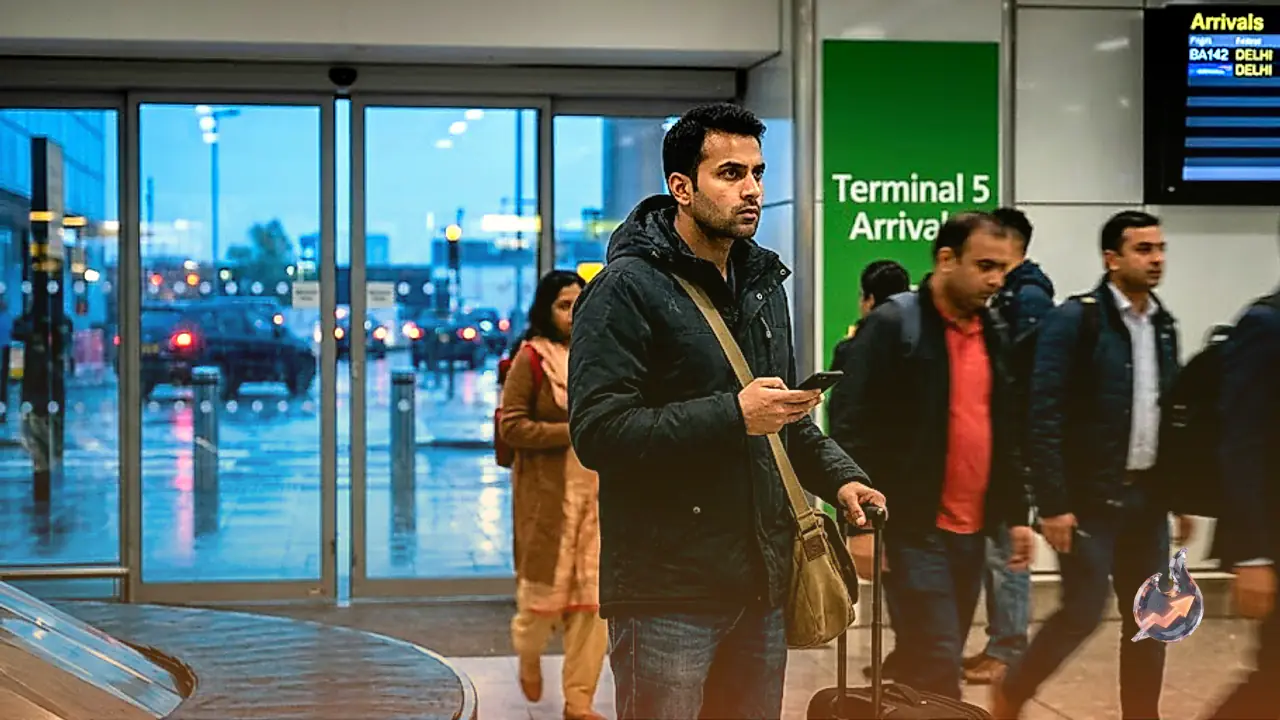














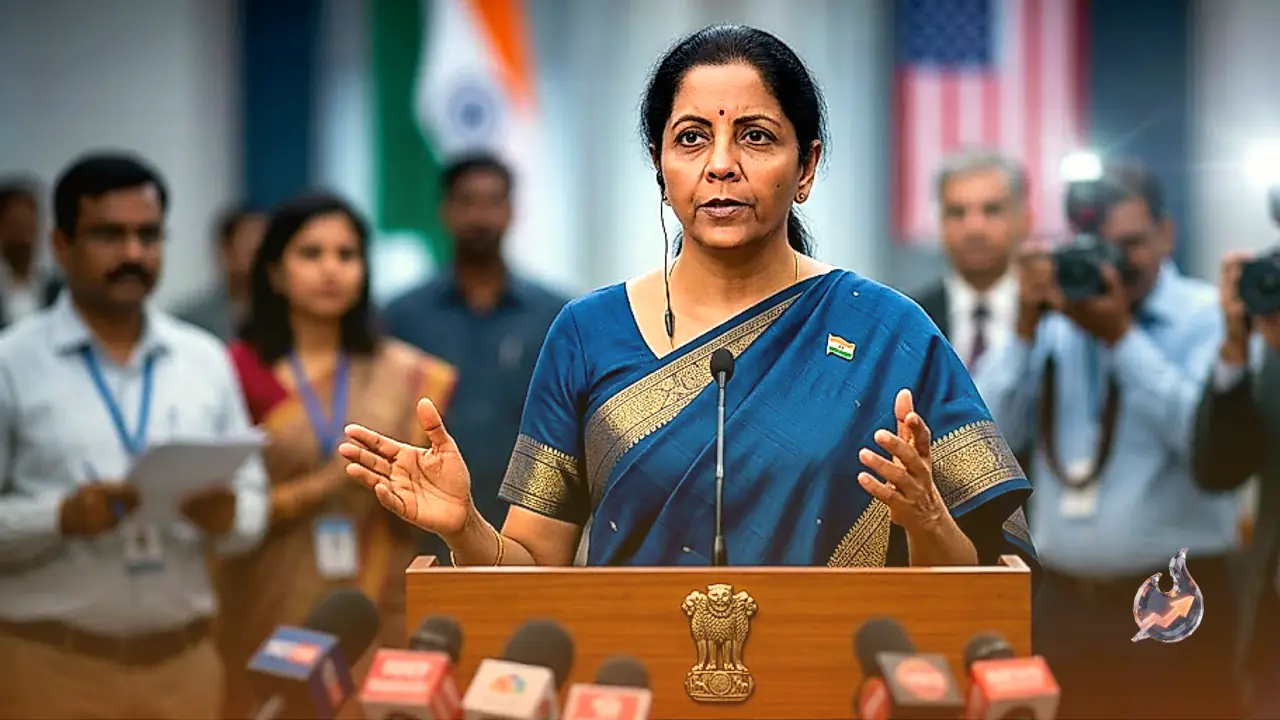

The Government of India has hardened its position regarding the proposed trade agreement with the United States, making it clear that it will not be hurried into finalizing any deal. Despite pressure from the US side to sign a pact quickly, the administration under Narendra Modi has signaled that no decision will be made in haste. The government maintains that given the current strength of the Indian economy and the expanding trade relations with other major global powers, there is no necessity to sign an agreement that does not provide substantial benefits to the country.
Stalled Negotiations and Key Demands
Reports citing sources indicate that during the visit of US Trade Representative Jamieson Greer last month, there were expectations of securing an interim trade deal between the two nations. However, the talks stalled over several critical issues. India has made it abundantly clear that the agreement will not move forward until its core demands are addressed. The government remains focused on its strategic objectives and is unwilling to compromise on the fundamental requirements laid out by the negotiating teams.
Protecting Domestic Interests
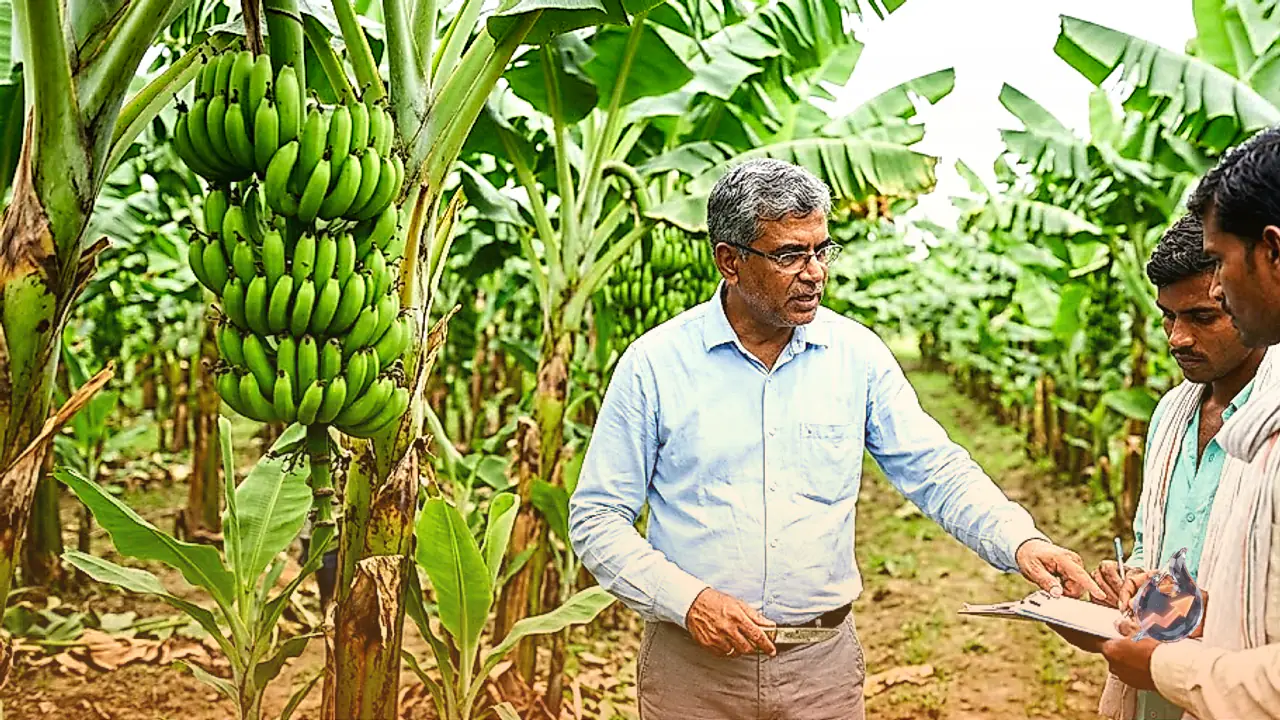
One of India's primary demands is the provision of better tariff treatment for its goods in the US market, particularly in comparison to competitors like China. Furthermore, India is seeking reliable assurances that new taxes or duties will not be suddenly imposed on Indian products following the conclusion of any agreement. The Modi government has also adopted a zero-tolerance approach regarding the agricultural sector. The authorities are fully committed to protecting the interests of Indian farmers, ensuring that they are not disadvantaged by any international trade arrangements.
Rejecting Pressure Tactics
The United States has been aiming for India to offer specific concessions before new tariffs are slated for implementation this month. Nevertheless, India has sent a clear message that it will not bow to the pressure of artificial timelines. Minister of Commerce Piyush Goyal has previously stated that India will only enter into agreements that serve the national interest. The government holds the view that it is far better to delay a deal than to accept one that does not offer a net positive outcome for the economy.
A Diversified Economic Landscape
In recent months, India's geopolitical and economic standing has significantly improved. Despite prevailing global challenges, the country has seen a consistent rise in exports. Trade with Gulf nations has regained momentum, and exports to the US have also trended upward. Significantly, India is no longer solely dependent on its relationship with the US, as it has proactively built other strategic alternatives. A free trade agreement with the UK is nearing implementation, and ongoing discussions with the European Union are progressing rapidly, providing India with greater leverage.
Confidence Driven by Growth
The economic outlook remains highly promising, with multiple international agencies upwardly revising India's growth projections. This data gives the government the confidence to negotiate from a position of strength. The clear takeaway from New Delhi is that an agreement will not be made simply for the sake of having one. If a deal is to be reached, it must be balanced and protective of Indian interests. Consequently, India is playing its cards carefully, resisting external pressure and ensuring that the final outcome reflects its long-term economic priorities.