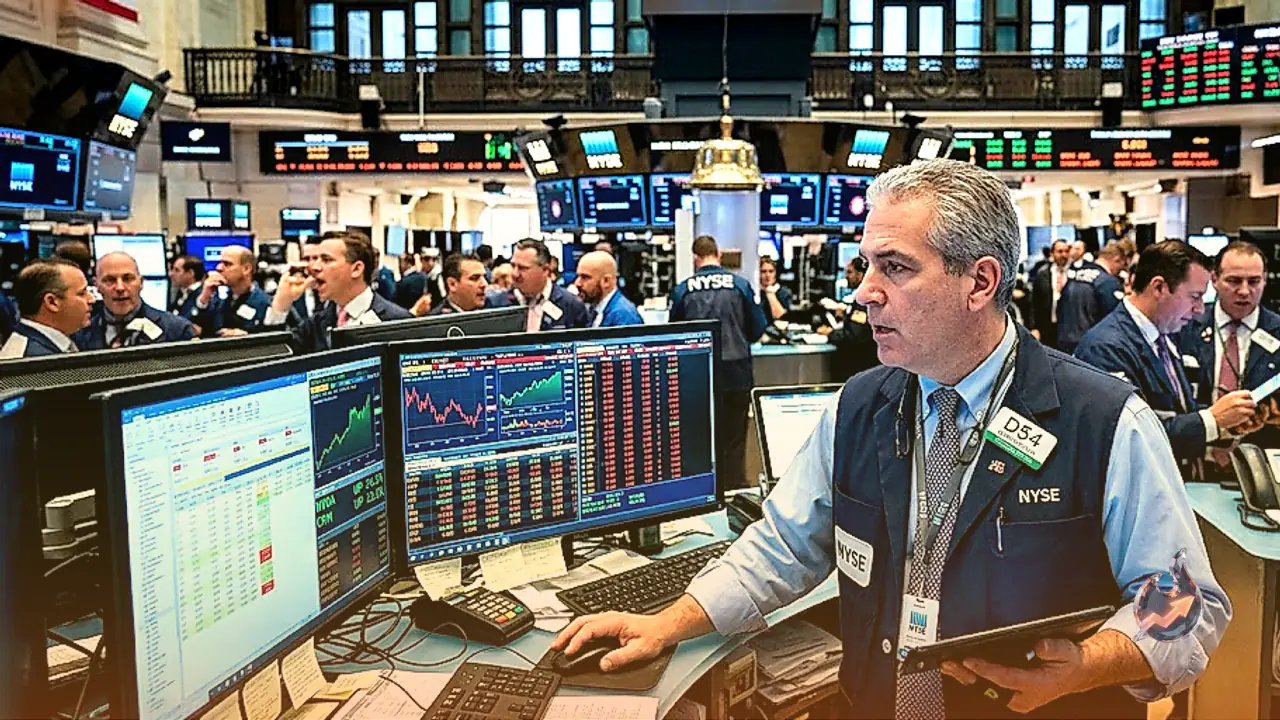























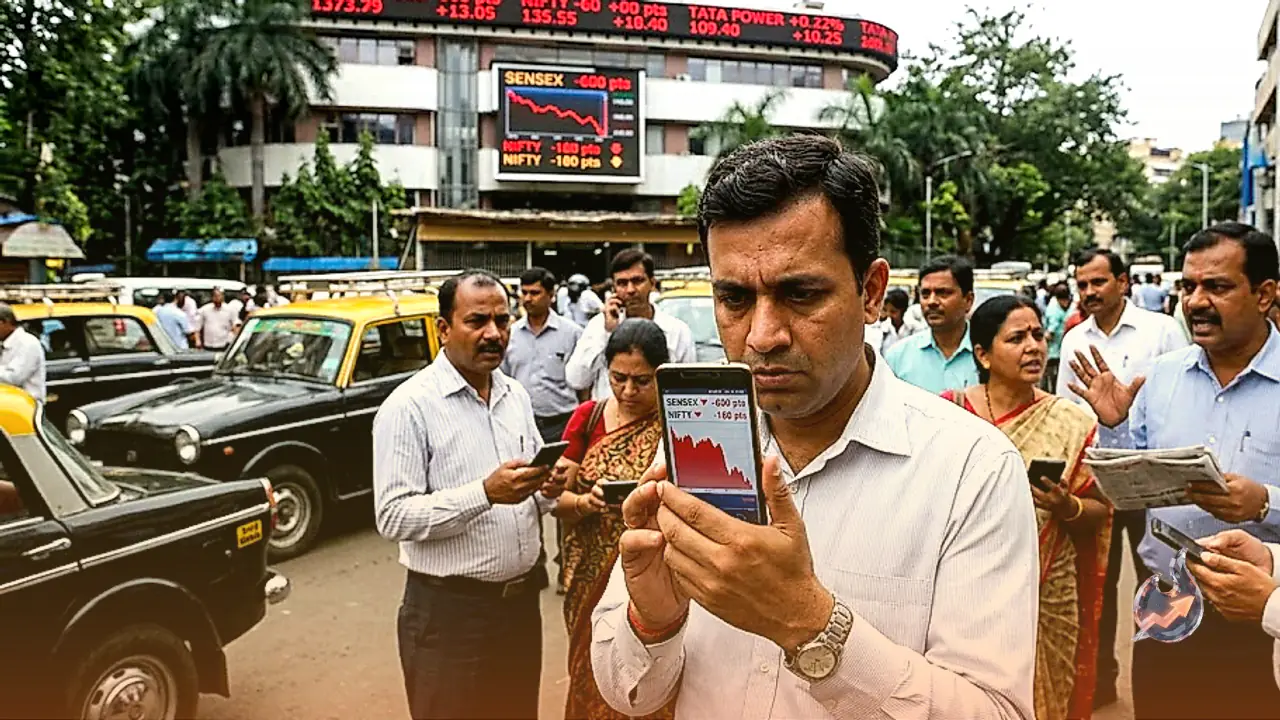

The Indian stock market witnessed a weak opening this morning, heavily impacted by the escalating geopolitical friction between the United States and Iran. By 9:16 AM, the Sensex had plunged over 600 points, trading at the 76,943 mark. Similarly, the Nifty index fell by 180 points to reach 24,025. Despite the widespread selling pressure, the IT and Pharma sectors emerged as the only bright spots, with IT shares gaining 0.66 percent and Pharma stocks rising by 0.16 percent.
The Core Reasons for the Sell-off
Investors are questioning why the market took a sharp downturn following the strength seen on Friday. The primary driver behind this volatility is the mounting tension between the US and Iran. Such geopolitical conflicts typically rattle global investors, prompting them to withdraw funds from equity markets in favor of safer assets. This risk-off sentiment has manifested clearly in the Indian markets today.
Surge in Crude Oil Prices
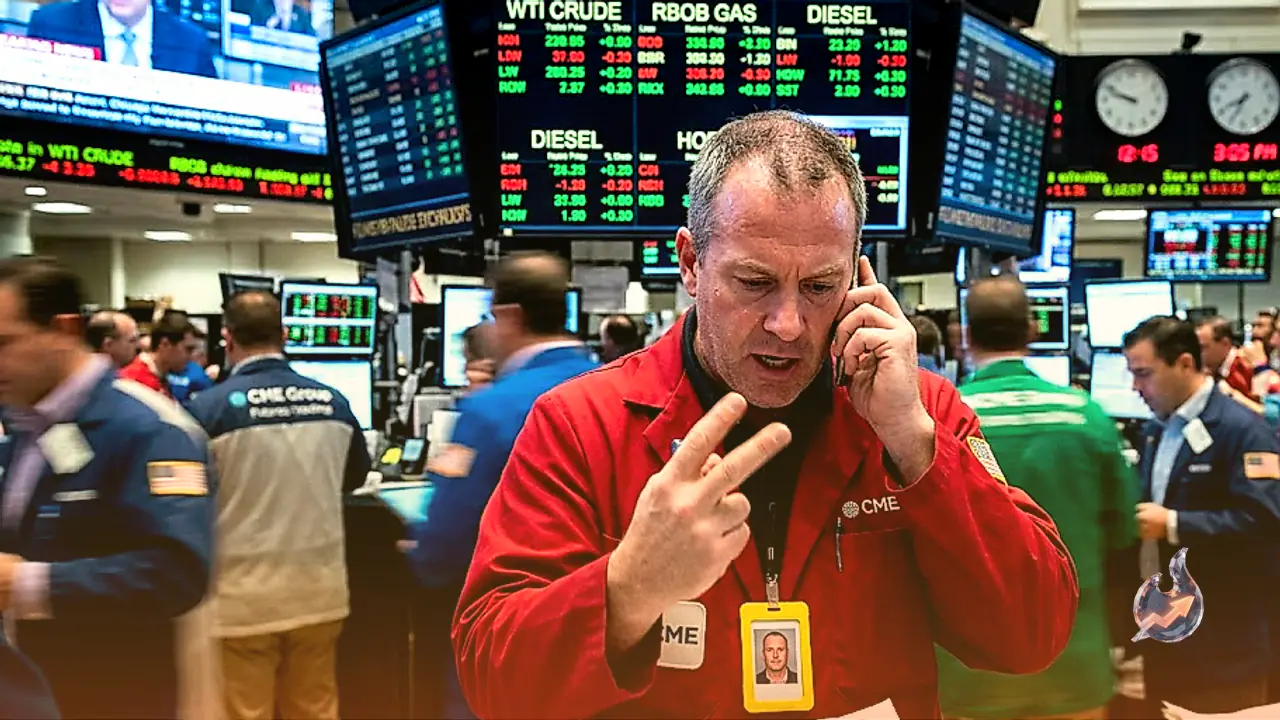
As India relies heavily on crude oil imports, fluctuations in international prices have a direct economic impact. Amid the current regional tensions, Brent crude prices have climbed to approximately 79 dollars per barrel. This jump in energy costs raises concerns about rising inflation and increased corporate input costs, both of which are weighing heavily on investor confidence in the stock market.
Volatility and Currency Pressure
The India VIX, which gauges market volatility, has spiked by nearly 10 percent. This indicates that market participants are bracing for heightened instability in the coming days, leading to increased selling as traders look to de-risk their portfolios. Weak sentiment across Asian markets and profit-booking by investors following recent gains have further compounded the decline. Furthermore, the Indian rupee has weakened by 35 paise against the dollar, opening at 95.71 compared to its previous level of 95.33. Additionally, a rise in government bond yields has pushed up borrowing costs for companies, adding another layer of pressure on market sentiment.
Outlook for Investors
Financial experts suggest that short-term volatility is a normal feature of the market and long-term investors should not panic over a single day's dip. However, it is essential to remain cautious and keep a close watch on global events, crude oil trends, and upcoming corporate earnings before making new investment decisions. Market direction will largely depend on the evolving situation in West Asia and its subsequent impact on global energy supply and corporate profitability.