
Expanding Digital Solutions at Toll Plazas
The days of long queues at toll plazas and time-consuming toll payments across India may soon be over. The central government is undertaking a significant transformation to modernize the toll collection system. The primary objective is to make toll collection faster, more transparent, and entirely digital. In line with this, the government is rapidly expanding barrier-free toll systems, known as Multi-Lane Free Flow (MLFF) technology, which will eliminate the need for vehicles to stop at toll booths.
Special Digital Passes for Local Residents
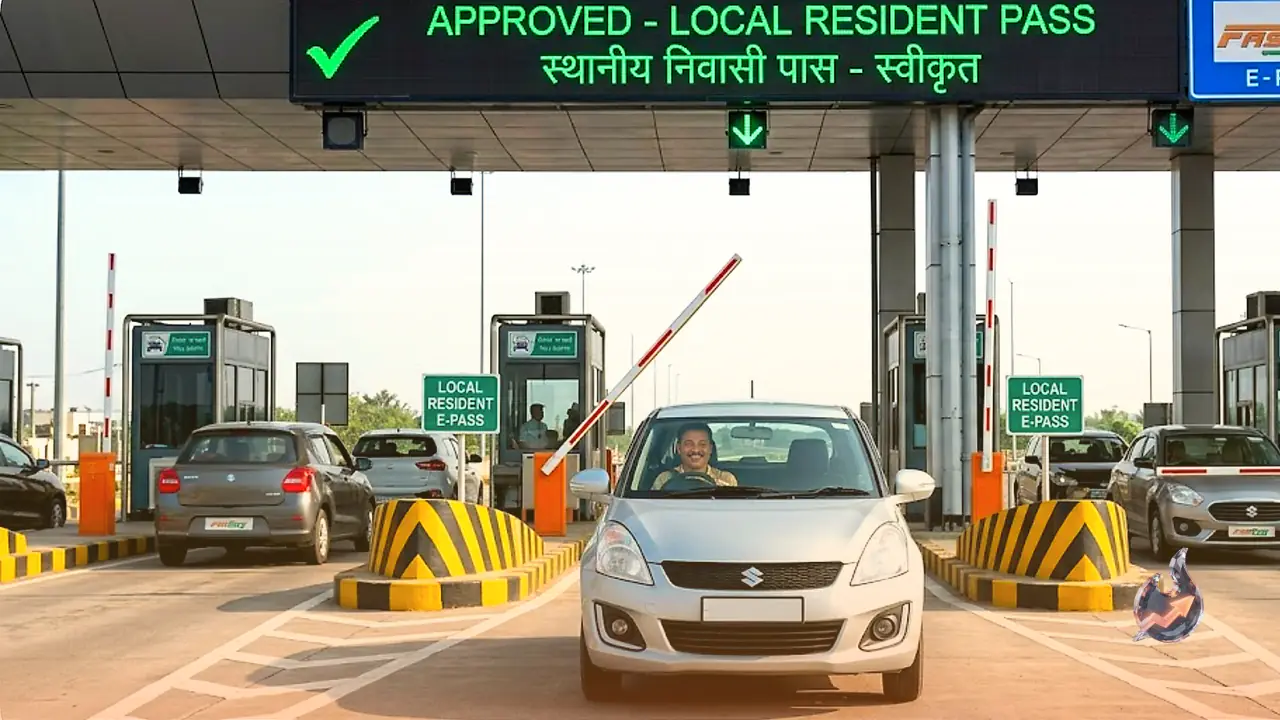
A key aspect of this government initiative is to provide substantial relief to local communities. There is a plan to issue special digital passes for residents living within a 20-kilometer radius of toll plazas. This pass will be directly linked to their FASTag, enabling them to cross toll plazas without any interruptions. According to a TrendKia report, both monthly and annual pass options are expected to be available under this scheme. Officials anticipate that the pricing of these passes will be very affordable for the public, benefiting thousands of daily commuters financially.
An Improvement Over Existing Pass Systems
Under the current National Highway Fee Rules, non-commercial vehicle owners residing near toll plazas can purchase a monthly pass for Rs 350. This pass allows unlimited crossings at the specific toll plaza for one month. However, it requires physical purchase at the toll plaza and must be displayed during travel. The new digital pass will be accessible on the Rajmarg portal, and its cost is expected to be lower than the current Rs 350 monthly pass. Residency verification will be conducted using Aadhaar numbers to ensure that only eligible local residents can avail of this facility, preventing misuse.
Understanding the Multi-Lane Free Flow (MLFF) Tolling System
MLFF technology eliminates the need for traditional barriers at toll plazas. Cameras and sensors installed on the road automatically read a vehicle's FASTag and deduct the toll tax. This entire process is completed within seconds, meaning vehicles do not have to stop. If a vehicle's toll payment is not processed, the system can automatically issue an e-notice. The main goal of this technology is to reduce traffic congestion and save travel time. Currently, this system is implemented at a few selected toll plazas across the country, but plans are underway for its widespread expansion.
Enhanced Transparency and Compliance
The new system will integrate the digital pass with FASTag. The eligibility of local residents will be digitally confirmed, and they will receive a special pass. The government believes this will lead to better adherence to toll regulations, effectively curbing unauthorized exemptions or improperly obtained benefits. This integration will also significantly enhance the transparency of the toll collection system.
Nationwide Expansion and Future Outlook
The government is preparing to implement the MLFF system at numerous new toll plazas in the coming period. Plans are in place to roll out this technology in several states, including Haryana, Rajasthan, Gujarat, Delhi, Maharashtra, Tamil Nadu, and Andhra Pradesh, with a large number of new projects already initiated. Experts believe that this move will further modernize the country's highway network, saving travelers' time, reducing traffic jams, and making the toll collection process more efficient than ever before.