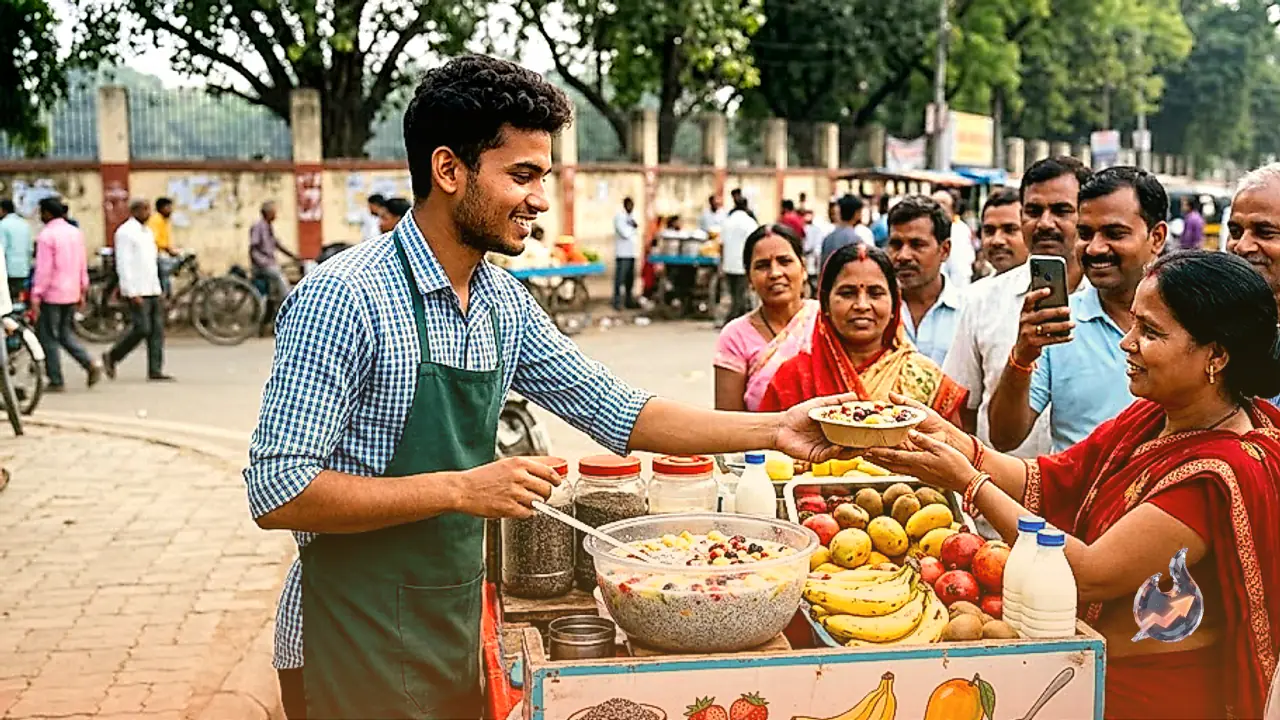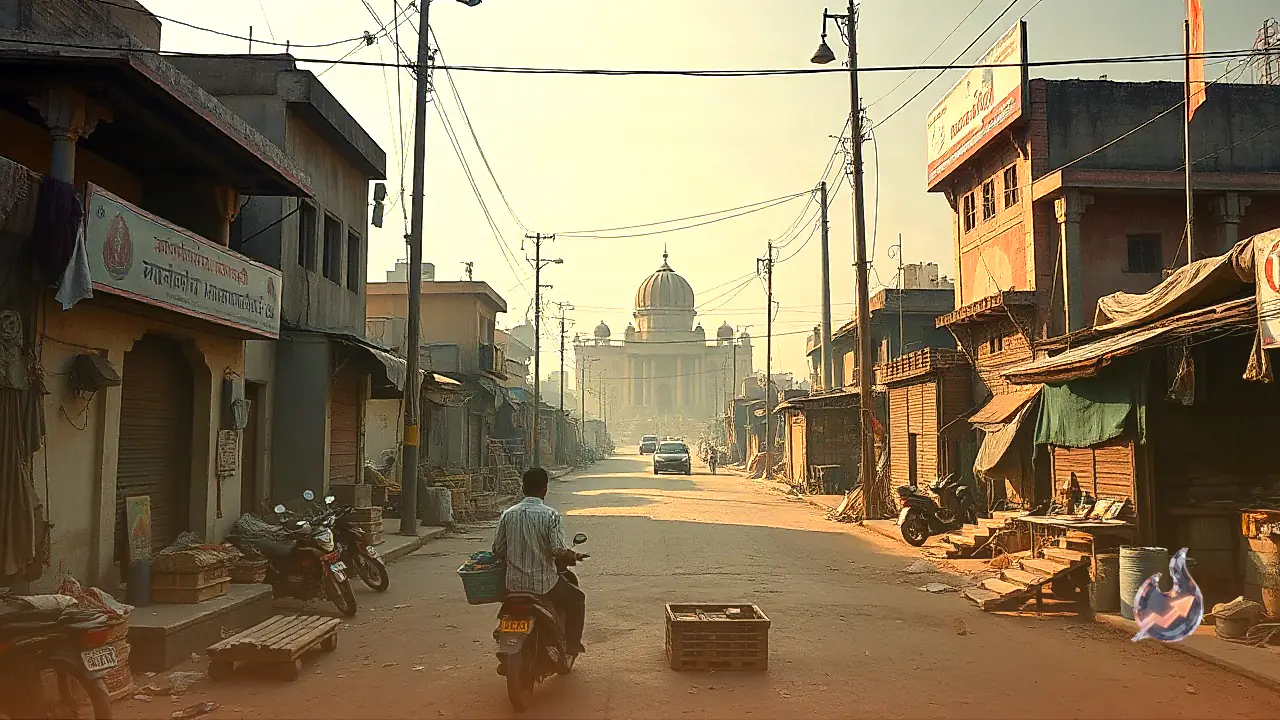


















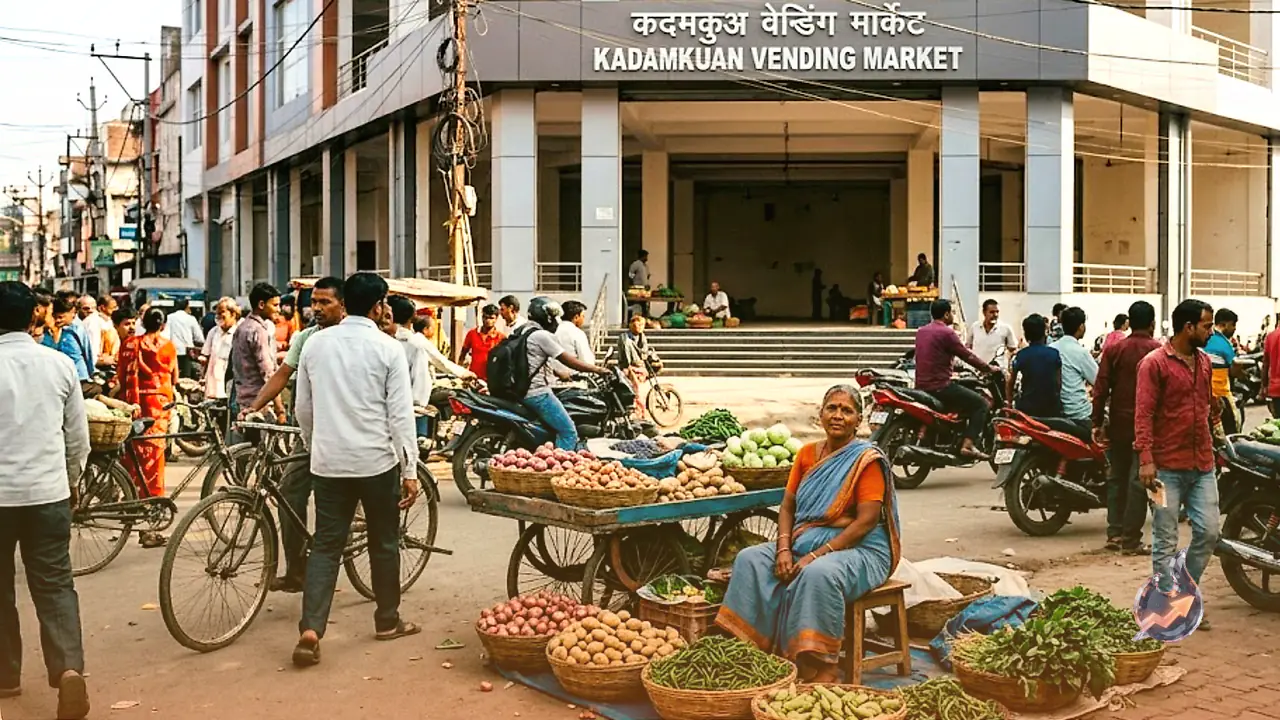

In the Kadamkuan area of Patna, a modern vending market that was supposed to transform the lives of local street vendors has become a center of frustration. In February 2025, the then-Chief Minister Nitish Kumar inaugurated this two-story market, built at a cost of approximately 9 crore rupees. The project, executed by the Patna Municipal Corporation, was designed to provide a systematic, clean, and sheltered space for fruit and vegetable sellers who previously occupied sidewalks and roadsides.
A facility built on paper, struggling on the ground
A year after the inauguration, the market is fully operational, and the municipal corporation is already drafting plans to develop 31 additional vending zones across Patna. While the administrative vision for a modern, organized city appears sound on paper, the ground reality for the Kadamkuan vendors tells a different story. Many shopkeepers are deeply dissatisfied with how the current system is functioning, noting that while their working conditions have improved, their income has plummeted.
The paradox of amenities and low sales
The market is equipped with fans, proper lighting, electricity, and organized storage spaces. Vendors acknowledge that they no longer have to endure harsh sunlight, rain, or dust as they did when working on the roadside. However, this comfort has come at a high financial cost. Fruit seller Kanhaiya Gupta explains that his daily earnings have become increasingly unpredictable, as the expected footfall simply never materialized inside the facility.
Competition from illegal street hawkers
The primary issue, according to vendors, is that unauthorized street stalls continue to operate right outside the market. As evening approaches and shoppers head out for groceries, they stop at the roadside stalls rather than entering the designated market. Kanhaiya Gupta reports that even his loyal, regular customers now prefer buying from the street vendors outside, leaving the market interior nearly empty for most of the day. This has forced some stall owners to leave their allocated spaces and set up shop on the road just to survive.
A 'Vending Hospital' of stagnant trade
The frustration is palpable, with vendors colloquially labeling the facility a 'vending hospital'—a place where they sit under fans all day, passing time watching videos on their phones, while their business remains stagnant. Rajesh Kumar, a fruit seller, expressed his grievances, stating that while they have gained protection from the elements, the move has provided no guarantee of earning a livelihood. He described the market as a place that looks beautiful like a rose from the outside, but is full of thorns for those forced to operate within its walls.
The cycle of encroachment and empty promises
The core of the problem remains the recurring issue of encroachment. Although the municipal corporation periodically launches anti-encroachment drives, the street stalls reappear the moment the officials leave the site. Vendors argue that until there is a permanent and strict ban on illegal roadside vending, customers will never bother to walk into the designated market area. Their business continues to suffer as they remain trapped in a system that provides amenities but denies them their livelihood.
The empty Pink Market
The facility design includes a 'Pink Market' on the first floor, which was meant to be a dedicated space for specific vendors. However, a year since its opening, no shops have been allocated on the first floor, leaving the entire level completely vacant. This emptiness serves as a glaring reminder of the disconnect between the official development plan and the actual commercial viability of the market.