





















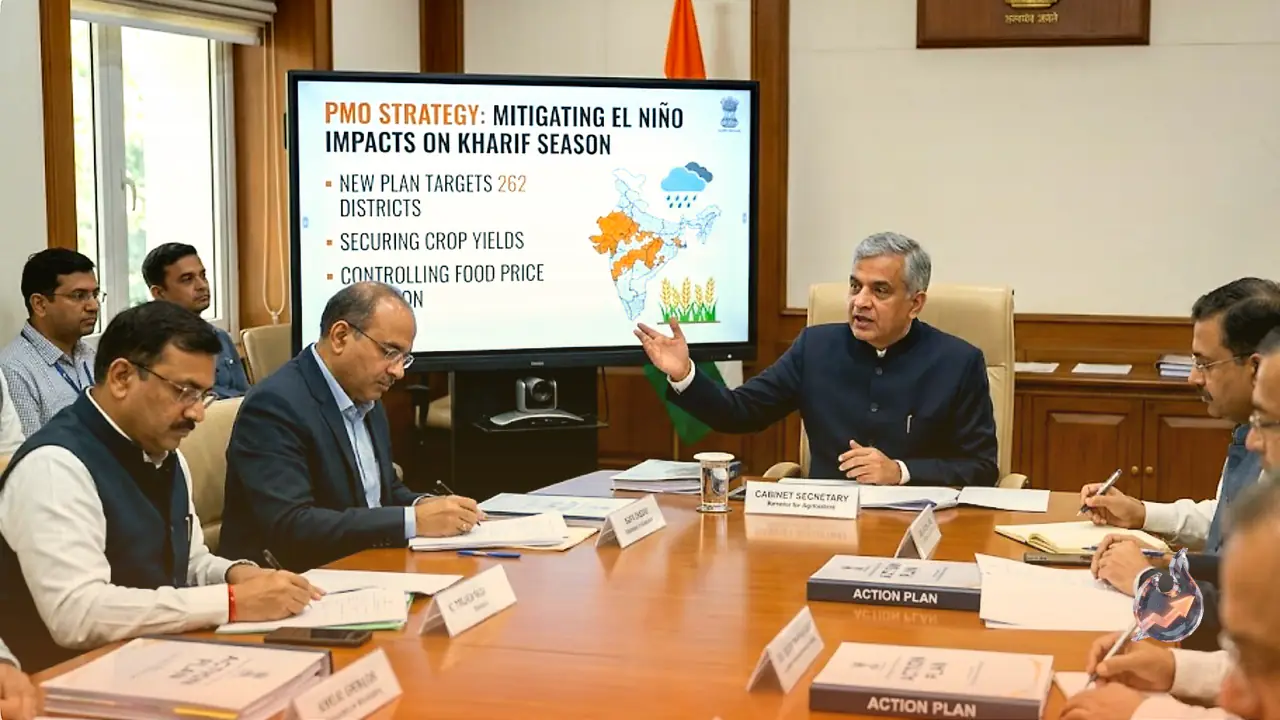

The central government is on high alert as it navigates the potential challenges posed by El Niño during the ongoing Kharif season. A crucial high-level review meeting was held at the Prime Minister's Office (PMO) under the chairmanship of the Principal Secretary to the Prime Minister, Dr. P. K. Mishra. The primary objective of this session was to proactively mitigate the impact of El Niño on agriculture, the broader economy, and the daily lives of the citizens. The meeting saw the participation of senior officials from more than 15 ministries, including Agriculture, Power, Health, Rural Development, Water Resources, the India Meteorological Department (IMD), and Consumer Affairs.
Monsoon Progress and El Niño Forecasts
The meeting reviewed the current state of the monsoon. Monsoon arrival was delayed by approximately 10 days in states like Gujarat, Madhya Pradesh, Chhattisgarh, and Maharashtra. However, rainfall improved significantly during the first week of July. As of July 7, the cumulative rainfall deficit in the country has dropped to just 12 percent. According to the IMD, a mild to moderate El Niño is likely to remain active throughout July and August. Experts clarified that the presence of El Niño does not necessarily mean the entire country will face drought or that every region will experience insufficient rainfall.
Master Plan for 262 Sensitive Districts
To safeguard food supplies and the agricultural framework, the government has intensified efforts at the district level. The Ministry of Agriculture revealed that it has identified 262 of the most sensitive districts in the country, for which specialized contingency plans have been developed. The central government is working in close coordination with state authorities to conduct weekly reviews on rainfall conditions, crop patterns, reservoir water levels, the availability of seeds and fertilizers, and the monitoring of pests or diseases in crops.
Support for Farmers and Livestock
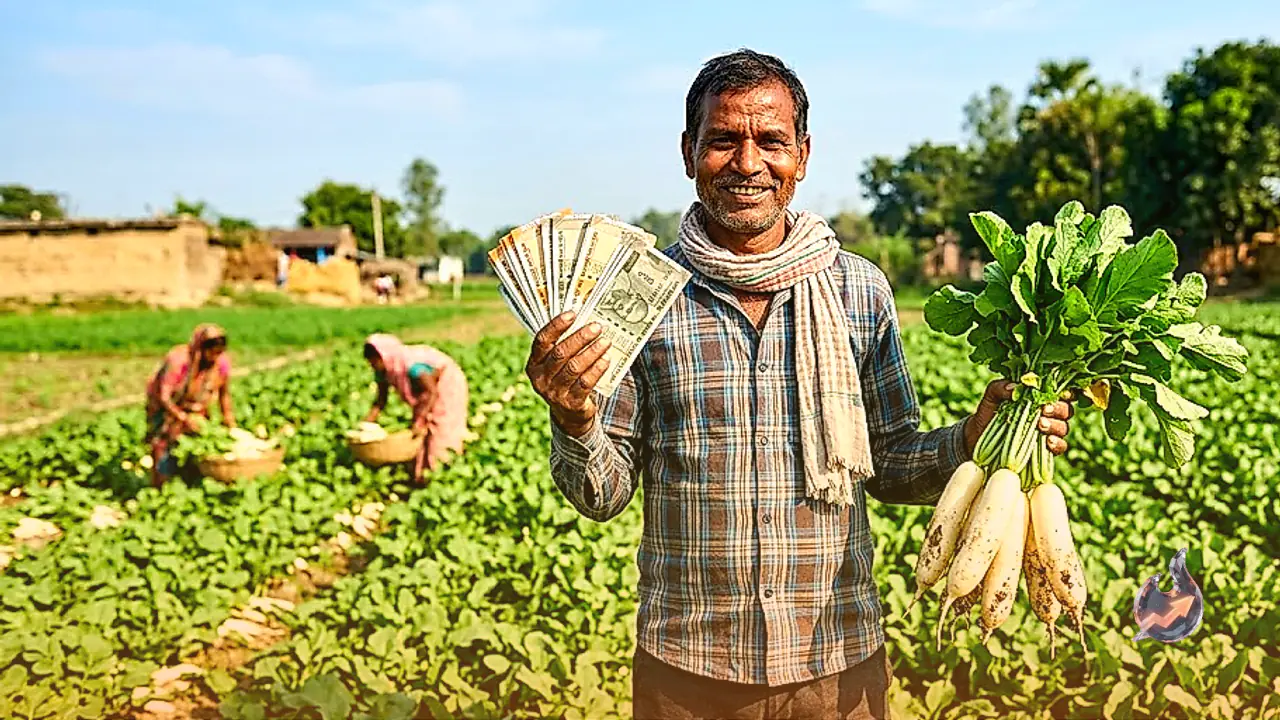
The government has prioritized the economic and logistical security of farmers. Directives have been issued to rapidly expand the reach of the ‘Pradhan Mantri Fasal Bima Yojana’ (PMFBY) and ‘Kisan Credit Card’ (KCC) to provide financial support to farmers during adverse conditions. Furthermore, the Department of Animal Husbandry has been instructed to ensure sufficient availability of fodder across the nation to prevent any negative impact on the dairy sector.
Focus on Health and Inflation Control
Decisions regarding public health and market stability were also finalized during the meeting. The Ministry of Health has been asked to keep a close watch on the effects of extreme heat, high humidity, and seasonal diseases like dengue and malaria, and to issue timely warnings to state governments. To keep inflation in check, the Ministry of Consumer Affairs and the Ministry of Fertilizers have been instructed to maintain a consistent supply of essential food items such as pulses, sugar, and edible oils, as well as fertilizers like Urea and DAP, to prevent price spikes.
Priority on Drinking Water
The government has emphasized that ensuring the availability of clean drinking water in districts at the highest risk of El Niño is a top priority. Authorities have been tasked with the judicious management of reservoir water and maintaining real-time coordination with state administrations to prevent water shortages.