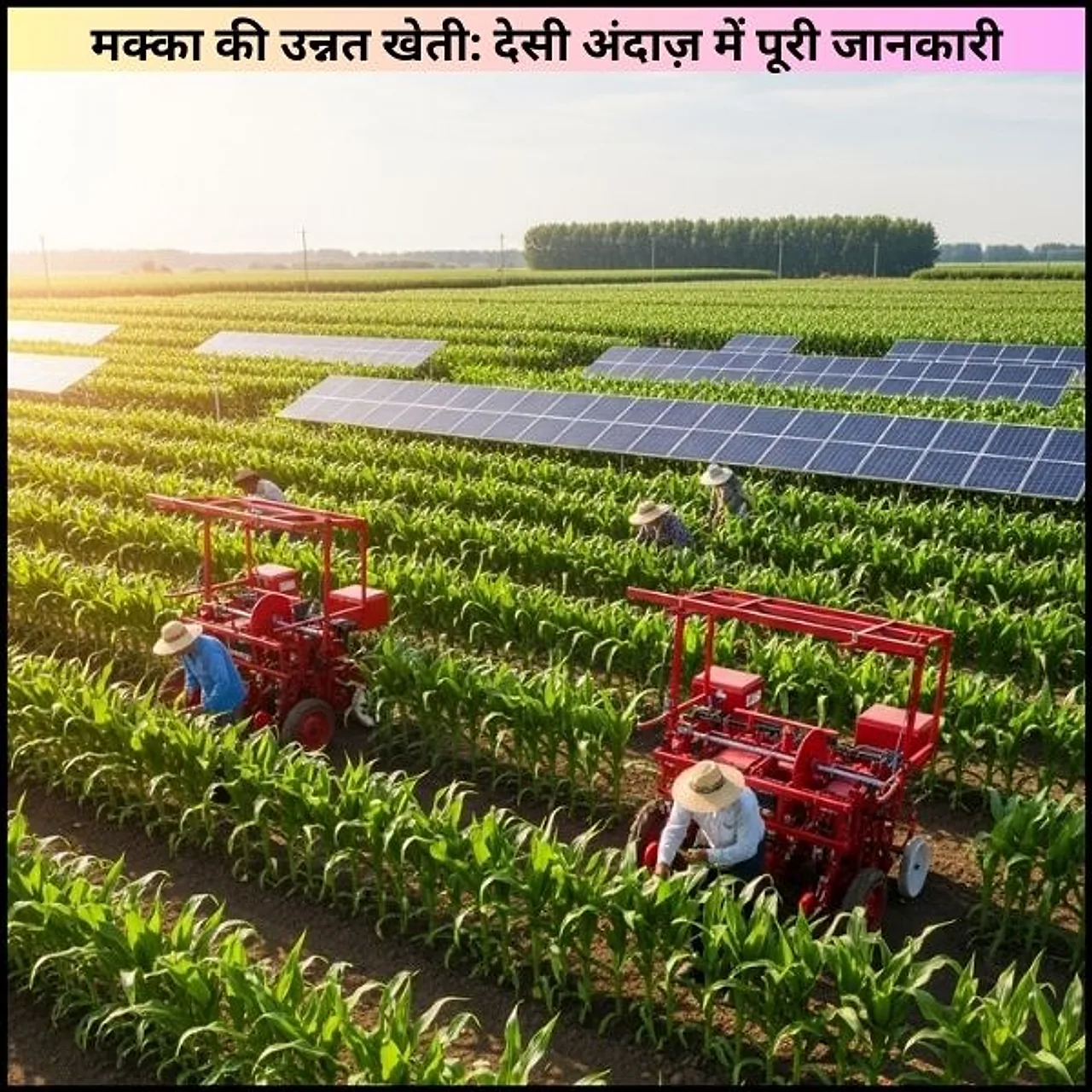

This Kharif season brings a notable opening for farmers in Sikar district to cut their input costs and lift their yields at the same time. To push improved hybrid seeds out into the fields, the agriculture department has drawn up a special scheme that will connect roughly five thousand farmers across the district with better-performing varieties of bajra, groundnut, moong and moth. The standout feature: the financial weight of the whole exercise rests on the government, not on the farmers.
1750 Hectares and a 1.43 Crore Budget
The department has fixed a target of carrying out experimental cultivation of these four crops across 1750 hectares in the district. For this, the state government has released a budget of 1.43 crore rupees. The underlying idea is simple — get farmers to adopt new technology and improved seeds so they harvest more, turning farming into a profitable venture rather than a losing one and directly raising their incomes.
From Seed to Fertiliser, All on the Government
The scheme goes well beyond just handing over hybrid seeds. Farmers will also receive the chemicals needed for seed treatment. On top of that, to improve soil health, they will be supplied with gypsum, micronutrients, Rhizobium PS culture and both bio and chemical fertilisers. The government itself will bear the cost of all these materials, meaning none of it will pinch the farmer's pocket.
Materials Backed by Hands-on Training
The government does not intend to simply hand over resources and step back. Farmers will also be trained in modern methods of cultivation. A team of agricultural scientists and experts will visit the fields from time to time, monitor the crop and keep advising farmers as needed. This gives growers a real chance to understand the new techniques and adopt them the right way.
Costs Beyond the Package Are on the Farmer
The department has also made it clear that if any expense arises beyond the fixed package included in the scheme, the farmer concerned will have to bear it himself. That said, most of the essential materials and technical support tied to the cultivation will come from the government's side, so that farmers can draw the maximum possible benefit from the scheme.
How Beneficiaries Will Be Chosen
To keep the selection of farmers transparent, the department has put a defined process in place. The department's field team will first pick the villages, while the task of choosing the farmers will rest with a five-member committee formed at the gram panchayat level. A farmer's final selection will happen only after this committee's recommendation, after which he will be handed the seed package for the relevant crop.
This five-member committee includes the Assistant Agriculture Officer, the sarpanch of the concerned panchayat, the SC-ST ward panch, the local agriculture supervisor and the Village Development Officer. According to Joint Director Agriculture Mohan Singh Bijarniyan, a target of 1750 hectares has been set for the district, and the process of selecting hybrid seeds, fixing clusters and choosing beneficiaries has already begun.