
A Living Heritage Tucked Inside the Walled City
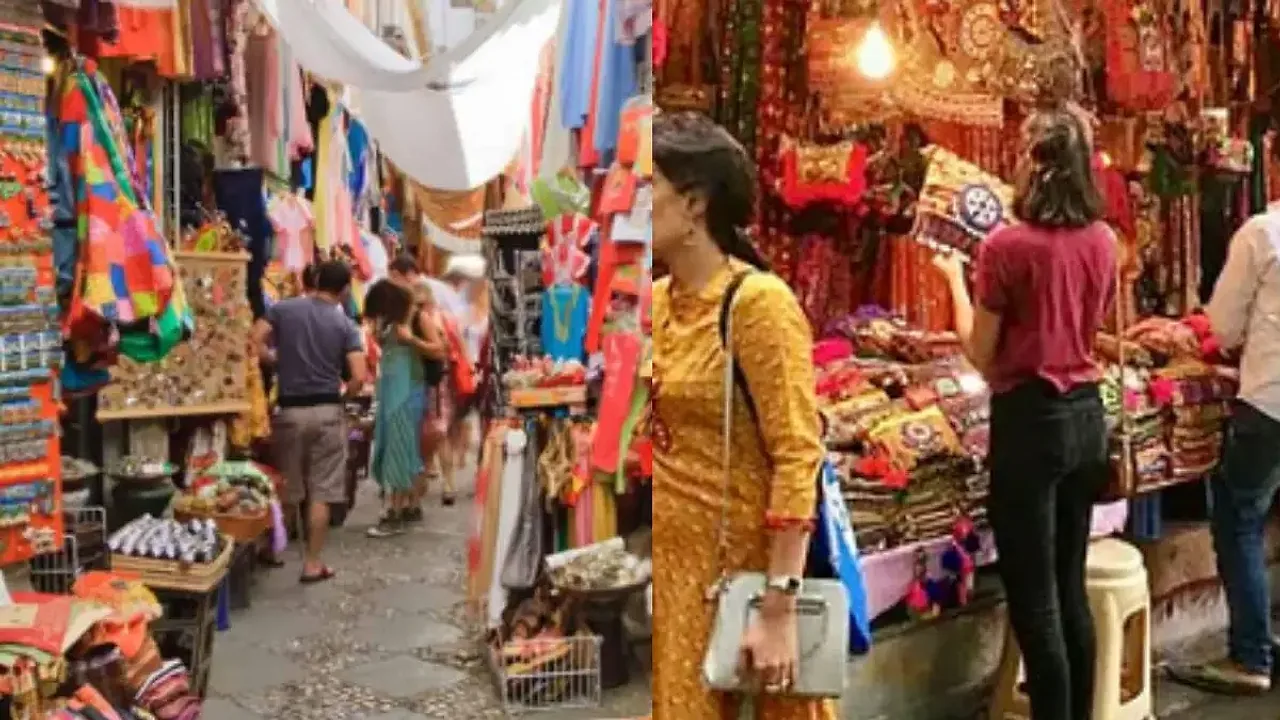
The true identity of Jaipur lies not only in its forts and palaces but also in the tiny shops of its walled-city bazaars, where skilled craftsmen have carried forward their family trades across generations. Almost every market in the city is known for artisans who specialise in one particular craft, and the demand for their handiwork survives even today. One such story belongs to shop number 112, Chheetarmal Misra, in Chandpol Bazaar — a place famous for generations for the art of making scissors.
From Grandfather to Father to Son
The man running the shop, Rajesh Kumar, says the craft of making scissors was passed down to him through his family. His ancestors had been linked to this work right from the time Jaipur was founded. His grandfather, Chheetarmal, was regarded in his day as a renowned craftsman for both making scissors and sharpening their edges. The tradition was then taken forward by his father, Ramji Lal, and for the past 50 years Rajesh Kumar himself has been keeping the work alive.
Holding On to Handwork in the Age of Machines
According to Rajesh Kumar, scissors and clothing share an inseparable bond. He points out that without scissors, fabric could neither be cut properly nor shaped into beautiful designs. Yet this is not a tool limited to tailors alone — it is part of everyday household life, woven into the daily routine of nearly every person. He worries that the number of craftsmen who make scissors by hand and sharpen their edges has shrunk drastically, not just in Jaipur but across the whole country. Machines have largely replaced this traditional skill, but he continues to craft his scissors entirely by hand. The pieces he makes are in good demand, and he produces a wide range — from small sizes to large — priced anywhere from 400 rupees up to 1000 rupees.
A Companion From Birth to the Final Rites
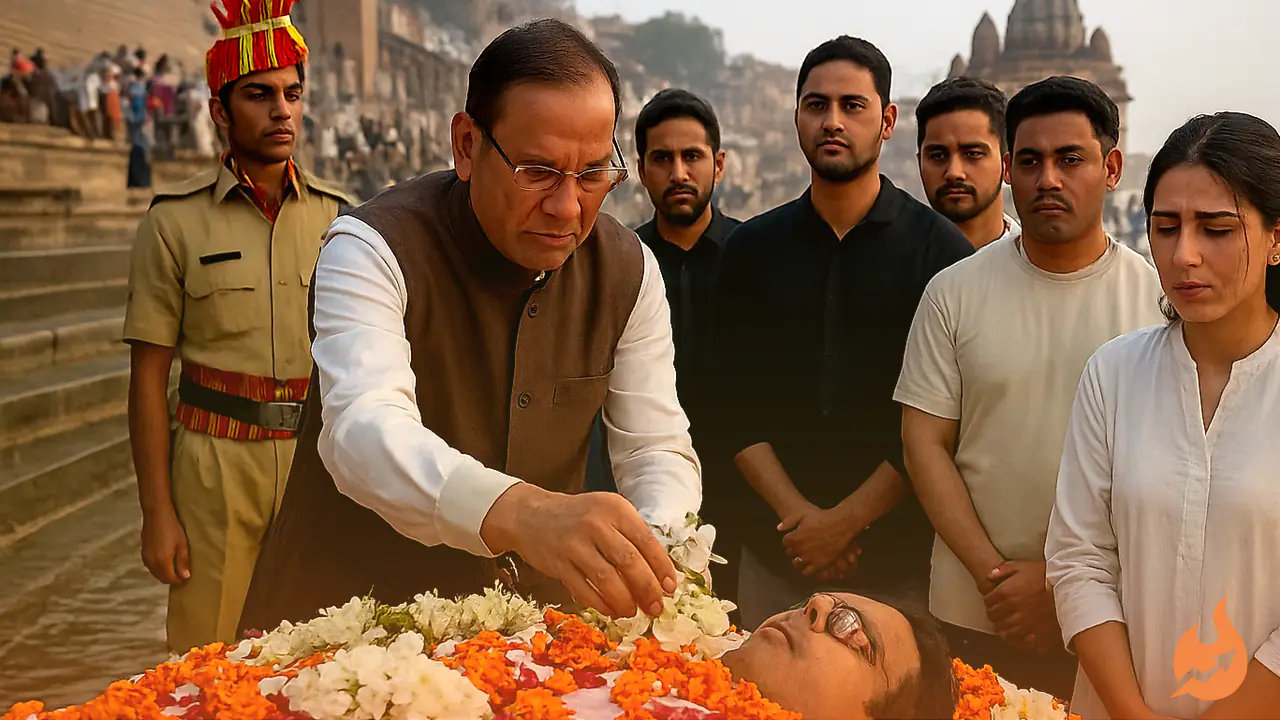
Rajesh Kumar draws attention to a striking thought: scissors stay connected to every human life at some point or another. From cutting the umbilical cord when a child is born to the rituals performed after a person's death, he says, scissors find their use. According to him, even when someone passes away, several tasks during the last rites require them. This, he believes, is why the importance of scissors endures from birth to death. Whether it is clothing stores, hair salons, packing shops or ordinary homes, many jobs remain unfinished without them — making the scissor a thread that ties itself to every person's life.