


















The historical walled city area of Jaipur, known famously as Chardiwari Bazar, is globally celebrated for its majestic architecture, bustling shopping streets, and vibrant cultural heritage. However, beyond the visual grandeur, these historic lanes hold a rich culinary legacy. Within the narrow, winding alleys of this old city, talented artisans and confectioners do not just prepare snacks; they craft distinct culinary experiences that have stood the test of time. One such notable location is Nataniyon Ka Rasta, situated off the prominent Chaura Rasta. This specific lane has earned immense fame across the state as Jaipur’s ultimate wholesale hub for dry panipuris, locally called patasis. While Jaipurites enjoy a wide array of street foods, the classic, tangy water-filled patasi remains an absolute favorite that people love to enjoy on the go.
A Legacy Spanning a Century and Three Generations
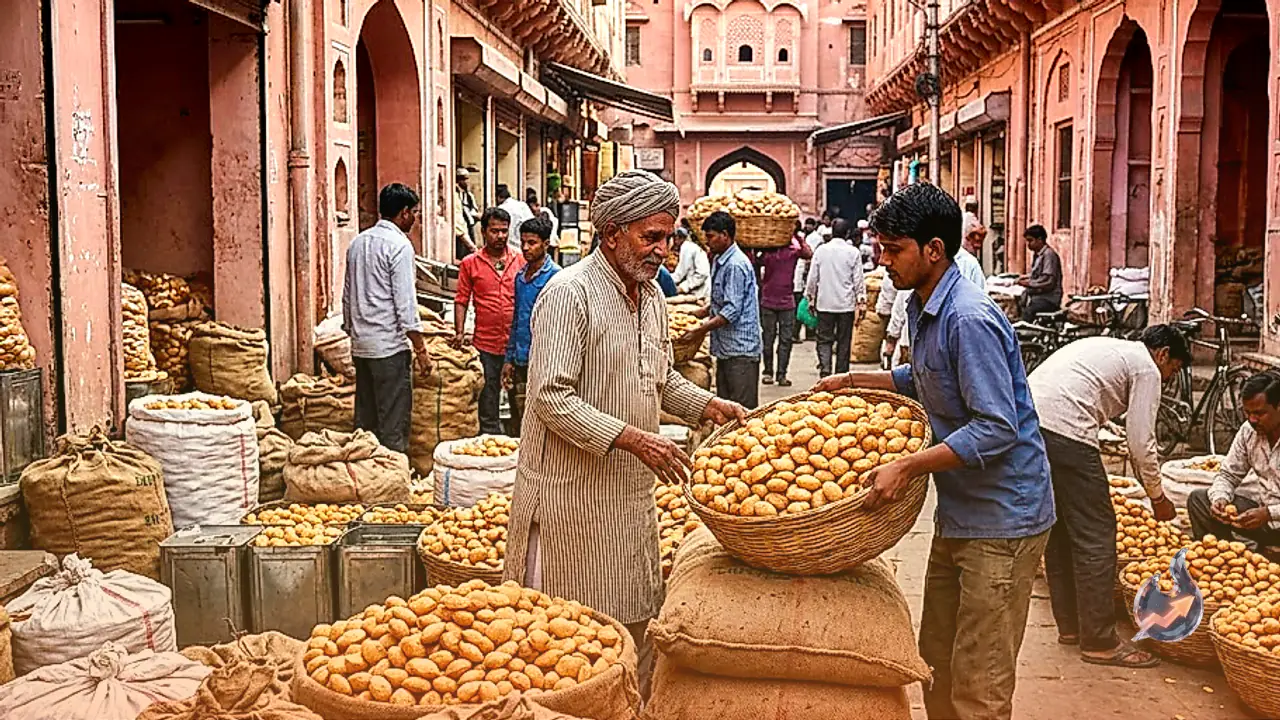
Exploring the bustling atmosphere of Nataniyon Ka Rasta reveals that the golgappa business here is much more than a regular trade, it is a deeply rooted family legacy. A local entrepreneur, twenty-three-year-old Yuvraj Singh, shares that this specialized work has been running continuously in his family for nearly a century. The business was originally established by his grandfather, Rajpal Singh, and today, Yuvraj Singh represents the third generation of his family dedicated to expanding this ancestral trade. In this particular alley, there are about ten to twelve established shops where families have spent decades manufacturing and selling these crispy treats. Consequently, Nataniyon Ka Rasta has cemented its reputation as the largest and most reliable wholesale market for dry patasis in the entire region of Jaipur.
From Factory Floors to Street-Side Stalls
Explaining the daily operations of this thriving business, Yuvraj Singh notes that while the retail shops showcase beautifully stacked dry patasis to attract buyers, the actual, intensive production takes place in separate, dedicated local factories. Once the patasis are perfectly fried and cooled in these workshops, they are brought to the shops for distribution across the city. To satisfy the diverse preferences of consumers, manufacturers prepare several varieties of patasis. These include options made from wheat flour (atta), refined flour (maida), lentils (daal), and semolina (sooji), all of which enjoy massive demand in local markets. For convenience in bulk trading, the dry patasis are packed and sold in standardized packs of 100, 500, and 1,000 units.
One Snack, Many Names Across India
Interestingly, this beloved street food goes by many names depending on the geographic region of India. For instance, in Rajasthan and Haryana, it is called pani patasi. If you travel to Uttar Pradesh, you will hear people calling it padaka or panipuri. In the northeastern state of Assam, the snack is known as phuska, while in Odisha, people fondly refer to it as gup-chup. Meanwhile, it is called puchka in Bengal and fuchka in Chhattisgarh. Despite the linguistic variations, the underlying joy of eating this spicy, water-filled sphere remains identical across the nation.
The Vast Livelihood Chain of Street Food
Beyond the sensory pleasure of taste, the panipuri trade acts as a vital source of income for hundreds of families. Jaipur's street food culture is immensely popular, and fast food like golgappas is highly favored because it is light, affordable, and can be consumed at any hour of the day. This constant demand translates into direct and indirect employment for thousands of individuals across Jaipur. Carts selling pani patasi can be spotted in almost every residential colony, commercial market, and street corner. This entire business operates as a highly synchronized economic chain, connecting flour suppliers, local manufacturers, wholesale packagers, transport workers, and the street-side vendors who rely on this humble snack to feed their families daily.