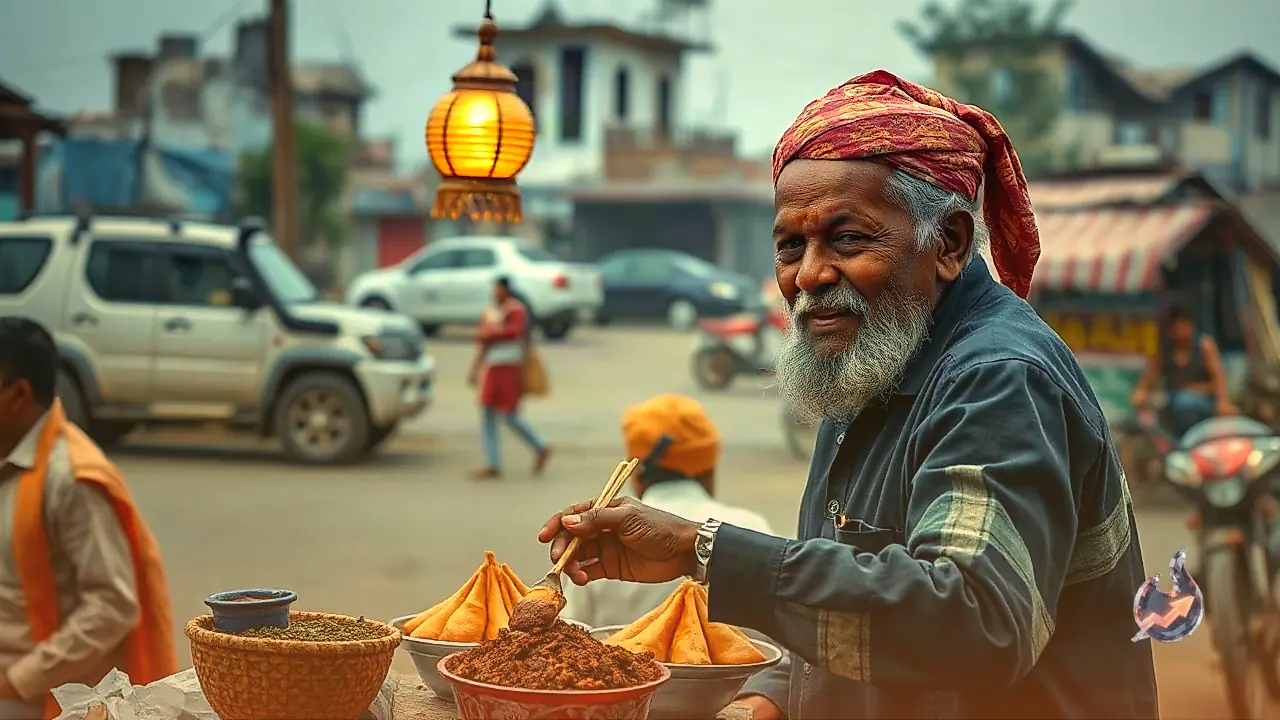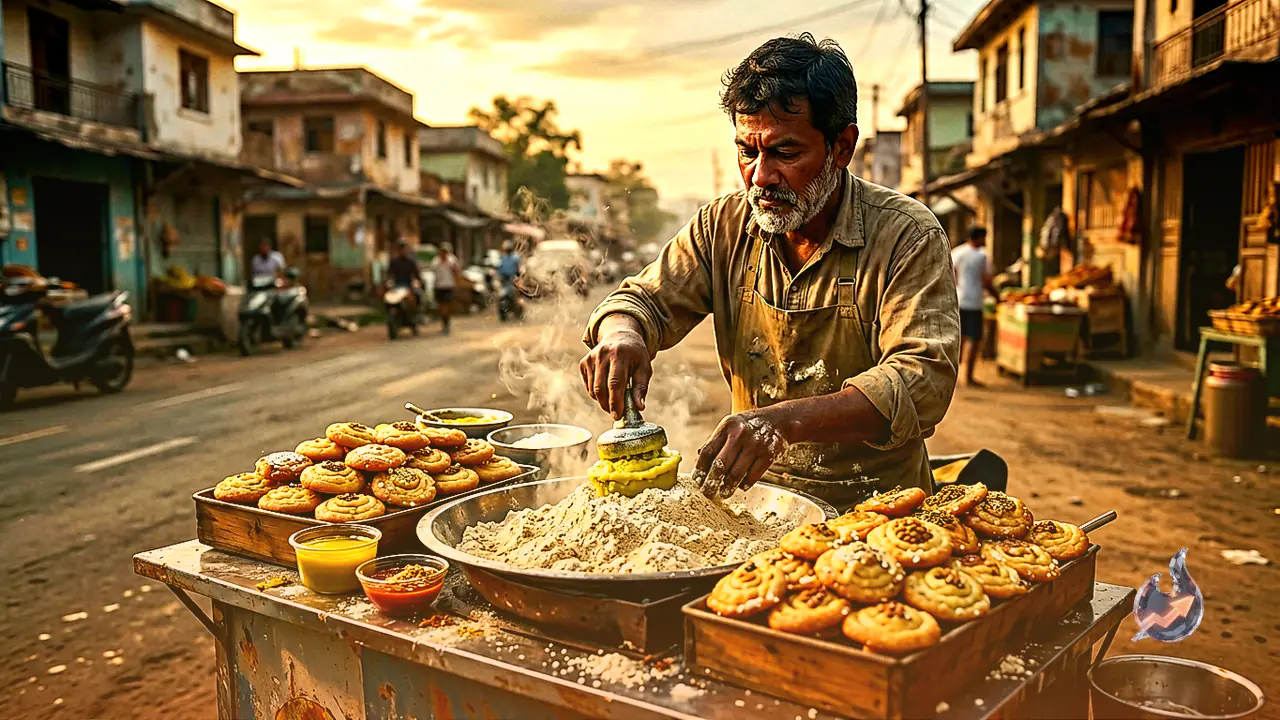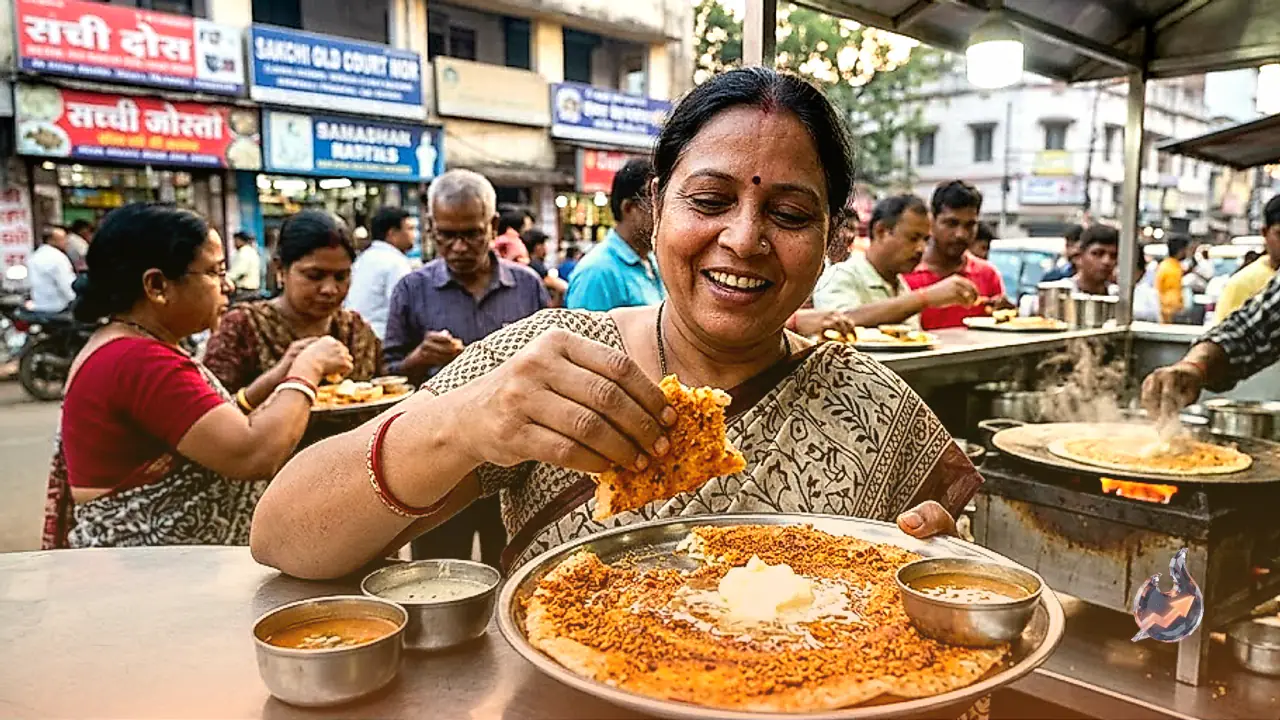




















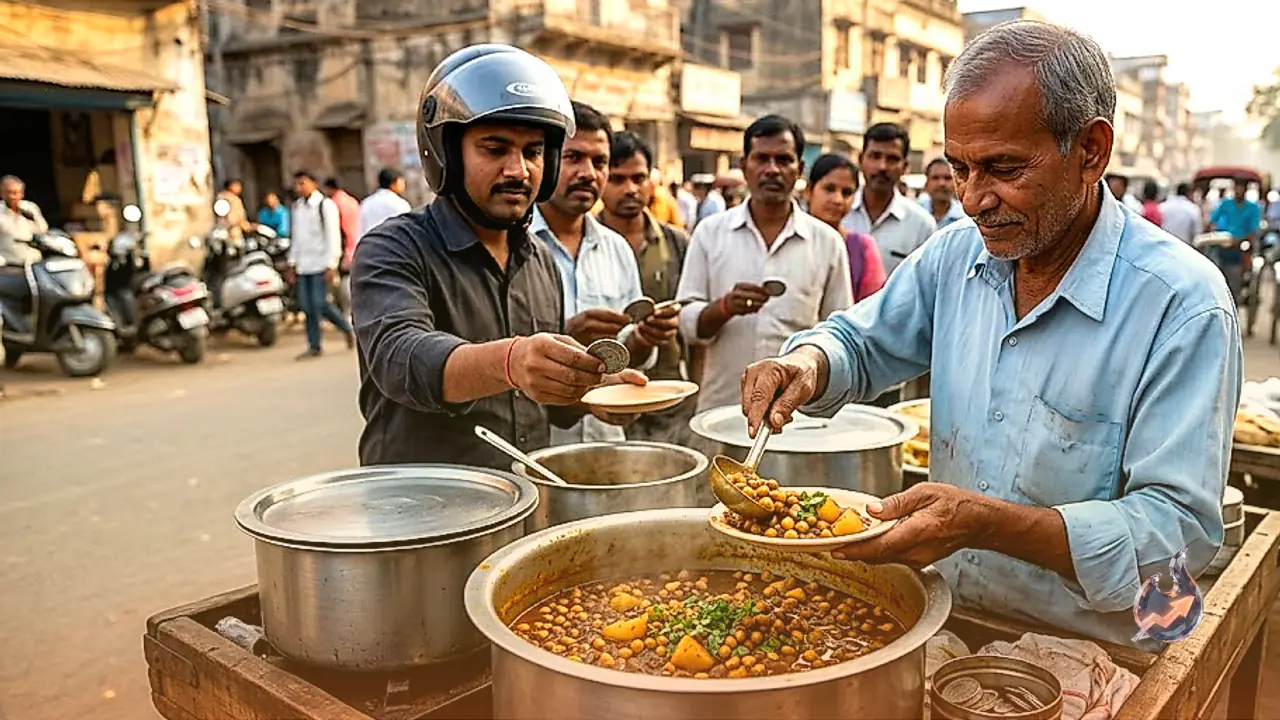

For 40 years, a chana bhaji stall on Ashok Rajpath in Patna has built such a following that customers once had to take a token and wait in line for half an hour just to get a single plate. Kumar Vivekanand, who lives in Lohanipur, has been coming here for the past 15 years and swears nothing between Saguna Mor and Patna City tastes quite like it. Naghma, who came to Patna a few years ago to get her mother treated, tried the chana bhaji here for the first time and became an instant fan after just one bite, returning ever since. It is a reminder that even a modest roadside stall can carve out a citywide reputation purely on taste and effort.
A stall named after its owner's hometown
The stall belongs to Lallan Prasad, who hails from the Goh area of Aurangabad district, and he named his cart Gaya-Goh ka Swadisht Chana Bhaji, turning his home region's identity into his business's brand. The scale of its popularity in Patna is evident from the fact that hundreds of people like Vivekanand and Naghma turn up every single day just for a taste. At one point, Lallan Prasad ran five stalls across Patna simultaneously, employing around 10 staff. Several of those staff members eventually left to open their own stalls, but none could replicate his exact taste, and all of those shops eventually had to shut down. That alone suggests his success rests less on location and more on a recipe perfected over decades.
Five vegetables, two chutneys and a secret spice mix
The real secret behind Lallan Prasad's chana bhaji lies in exactly how it is assembled. He starts by thoroughly mixing boiled chana with onion, carrot, beetroot, cucumber and cabbage, five vegetables in all, before adding potato, tomato, lemon and chili, which gives the dish its sharp, tangy kick. To sharpen the flavour further, he relies on two chutneys he makes himself. The first is prepared from jaggery, beetroot and almonds, giving it a mild sweetness, while the second is made from amla, lemon and green chili, adding sharp tang and heat. Both chutneys are blended together and folded into the chana bhaji before it is plated, then finished with a scattering of corn chips and sev namkeen for crunch. Despite all that effort and all those ingredients, a single plate costs just Rs 15, keeping it well within reach for ordinary customers.
What adds a further layer of flavour is Lallan Prasad's own salt and spice blend. Instead of plain salt, he combines black salt, rock salt known as sendha namak, cumin, golki and white salt into a custom mix. On top of that, he blends cumin powder, coriander powder and five other spices into a masala recipe he keeps to himself. It is this exact combination, two chutneys plus a proprietary salt and spice blend, that sets his chana bhaji apart from every other stall in the city, and it is why customers keep coming back after all these years.
He quit a steady job to start this in 1990
Lallan Prasad completed his graduation in 1988-89 and landed a job soon after, but he never took to it. His father worked in the tourism department at the time, yet Lallan Prasad chose to walk away from steady employment and launched his chana bhaji stall on Ashok Rajpath in 1990. In the early days, he ran it himself with just three staff, selling plates he prepared with his own hands every day. Gradually, word about his chana bhaji spread across Patna and demand kept climbing.
That growing popularity led him to open stalls outside Rupak, Vaishali, Uma, Apsara and Mona cinema halls as well, giving him customers across different parts of the city. Each of those stalls employed around two staff members, and at its peak, a total of 10 people worked under Lallan Prasad. The journey from 1990 to 2026 now spans roughly 36 years. The city has changed enormously in those 36 years, roads have been rebuilt and new infrastructure has come up, but the taste of Lallan Prasad's chana bhaji has stayed exactly the same as it was in the beginning.
A business that became a livelihood for the whole family
Watching Lallan Prasad's small business flourish, his relatives and former staff also tried their luck in the same trade. His brother opened a stall near Gandhi Maidan, while his brother in law and his wife's sister's husband run chana bhaji stalls of their own elsewhere. Several former employees have opened their own stalls too. Even so, Lallan Prasad maintains that not one of them, whether family or former staff, has managed to match his taste. He does not credit any secret trick for that; he puts it down entirely to years of hard work. It is the earnings from this modest chana bhaji stall that supported his entire family and paid for all three of his daughters' weddings, underlining just how central this small roadside business has been to his life.
When a token decided your turn for a plate
Lallan Prasad says that until around two years ago, his stall ran on a token system. Whatever number a customer was handed determined when their plate of chana bhaji arrived. Back then, a plate cost just Rs 10, yet the stall still sold somewhere between 500 and 600 plates every single day. Crowds were thick enough that customers routinely waited half an hour in line for their turn, and the stall stayed busy through the day, a sign of just how much business a Rs 10 plate could pull in.
Things changed when construction of the metro and a double decker flyover began nearby, which cut into footfall and hurt his business directly. During that construction period, Lallan Prasad had to shut the stall entirely for a while. He has since restarted it, and old customers are gradually finding their way back. The stall still brings in around Rs 5,000 in sales every day, though Lallan Prasad says rising inflation has eaten into his savings compared to earlier years. Positioned between pillar numbers 46 and 47 on Ashok Rajpath, the stall continues to hold its own distinct place on Patna's food map.