


















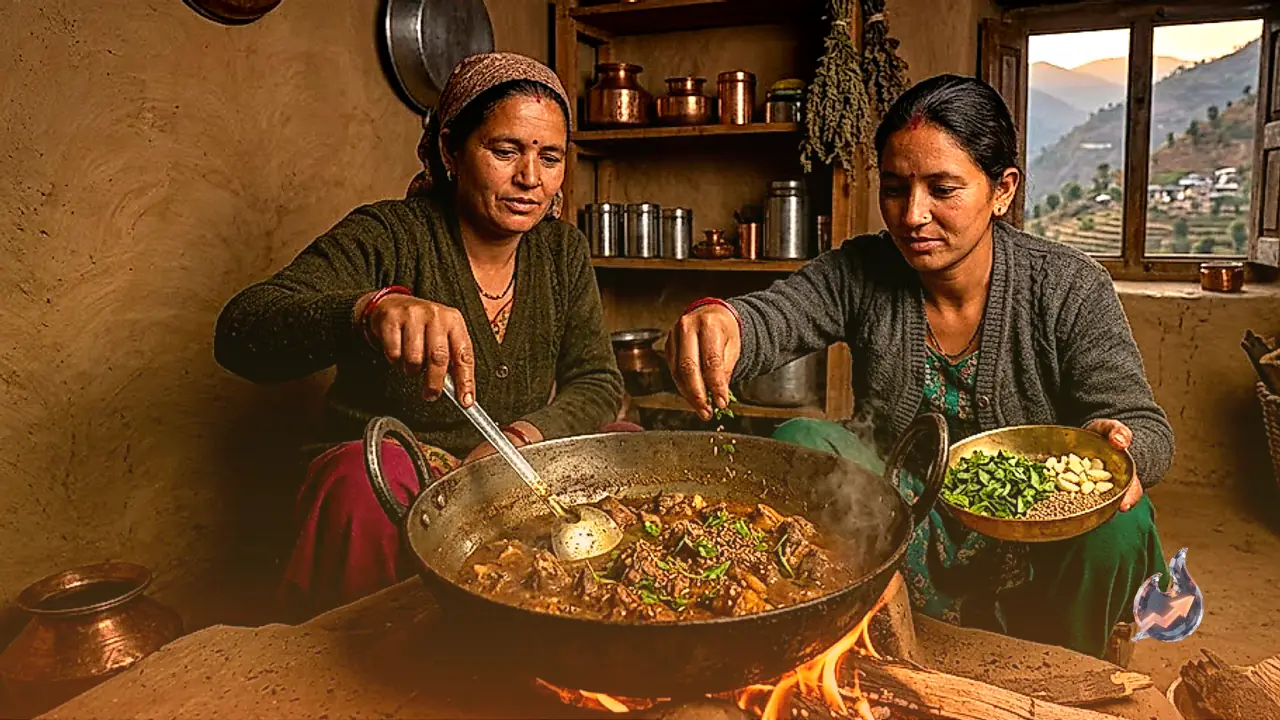

In Uttarakhand's hill villages, potha-kaleji, a dish made from chicken gizzard and liver, holds a special place in everyday cooking. Valued as much for its taste as for its nutrition, the dish has been passed down through generations, and the way it's prepared still follows techniques that give it its distinctive character.
The Traditional Way It's Cooked
The gizzard and liver are first cleaned thoroughly. They are then marinated briefly with turmeric, salt and a little garlic-ginger paste so the flavours seep in properly. Cooking happens in an iron kadhai, where mustard oil is heated first. Once the oil is hot, jakhiya seeds or cumin are added, followed by onion, tomato, garlic and ginger, which are sauteed until golden. Turmeric, coriander powder and red chilli are stirred into the spice mix before the gizzard and liver go in, and everything is mixed well. A little water is added and the dish is left to cook on a slow flame until the spices are fully absorbed. Fresh coriander leaves are sprinkled on top before serving. The dish tastes best when paired with mandua roti or rice.
Why an Iron Kadhai Brings Out the Real Flavour
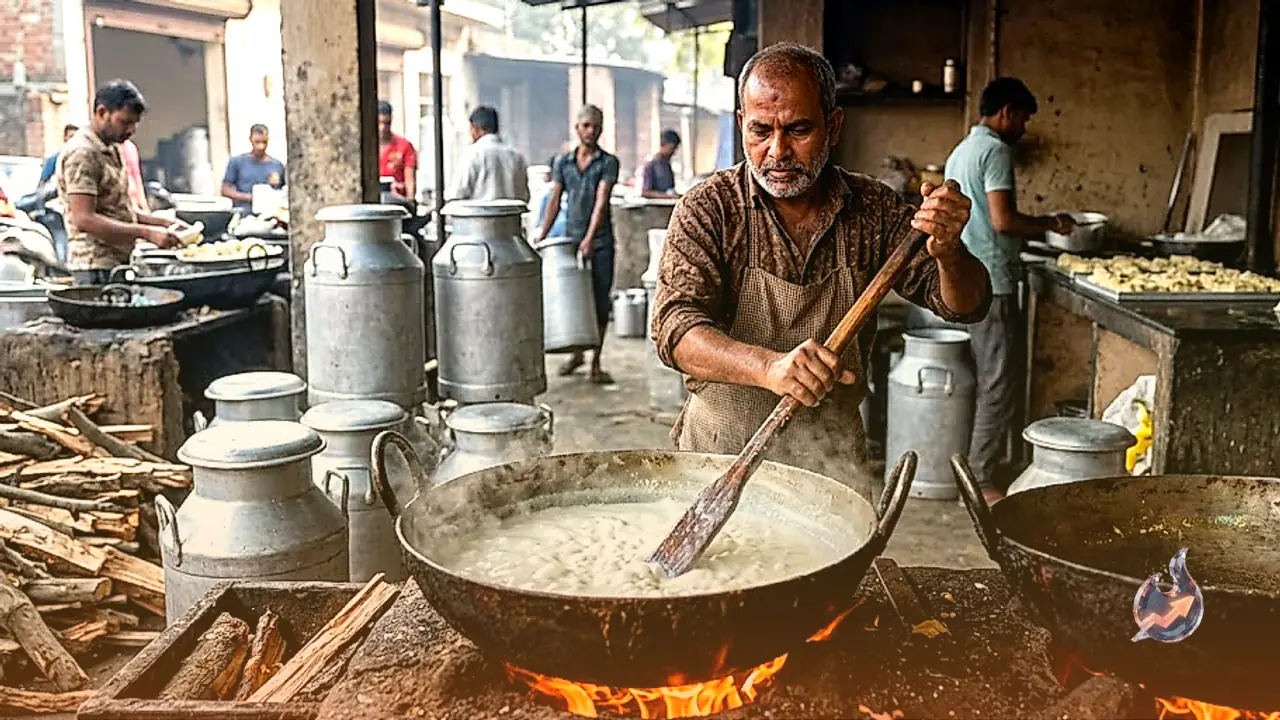
Homemaker Kiran Pandey says many hill households still follow the old practice of cooking in an iron kadhai. According to her, cooking potha-kaleji in an iron kadhai gives it a deeper, more rustic flavour. That's because an iron kadhai retains heat for a longer stretch, allowing the spices to cook slowly and blend thoroughly into the dish. Cooking in iron vessels can also add a small amount of iron to the food, something rural households consider beneficial for health. The colour and aroma of potha-kaleji prepared in an iron kadhai also turn out more appealing. Pandey adds that with proper use and care, such a kadhai can last for years.
The Role of Jakhiya, Jambu and Hill Garlic
Jakhiya, jambu and local garlic hold a special place in Uttarakhand's traditional cuisine. Tempering potha-kaleji with jakhiya lends it a distinct aroma and flavour, while lightly roasting jambu before adding it enhances the dish's taste even further. Hill garlic is considered more fragrant than the ordinary variety, which is why it is specifically preferred here. These ingredients have been used in hill kitchens for centuries, not just for taste but because they also aid digestion. That's why they continue to be widely used in traditional dishes like potha-kaleji even today.
How Nutritious Is the Dish
Gizzard and liver are considered a good source of nutrients. They contain protein, iron, vitamin B-12 and several essential minerals. Liver, in particular, has a relatively high iron content, which is why it's regarded as an energy-giving food. Protein helps in the development and repair of the body's muscles, while vitamin B-12 is considered important for the formation of blood cells and for the nervous system. People doing physical labour in hill regions also see it as a food that gives them strength. That said, like any food, it should be eaten in moderate amounts so the body gets the nutrition it needs without any downside.
Who Should Be Careful
Dr Aijal Patel says that while potha-kaleji is nutritious, it is better consumed in moderate quantities. According to him, people with cholesterol issues, heart-related problems or certain specific medical conditions should limit how much liver they eat. Consuming any food in excess can have an adverse effect on health, so it is better treated as part of a balanced diet. Portion control matters for children, elderly people and others as well. Anyone with a specific health condition should eat it only as advised by a doctor. A balanced diet paired with regular physical activity is considered just as important for a healthy lifestyle.
Looking After the Iron Kadhai
Proper care of an iron kadhai significantly extends its life. After cooking potha-kaleji, the kadhai should be washed with lightly warm water and dried thoroughly. If moisture is left behind, the kadhai risks rusting. Many rural families apply a light coat of mustard oil after cleaning to keep it protected. Simple cleaning is considered better than heavy use of soap. Periodically heating the kadhai and applying oil keeps its surface strong. A well-maintained iron kadhai can stay in use for years and continues to lend food its traditional flavour.
From Mandua Roti to Bhang Chutney, How It's Traditionally Served
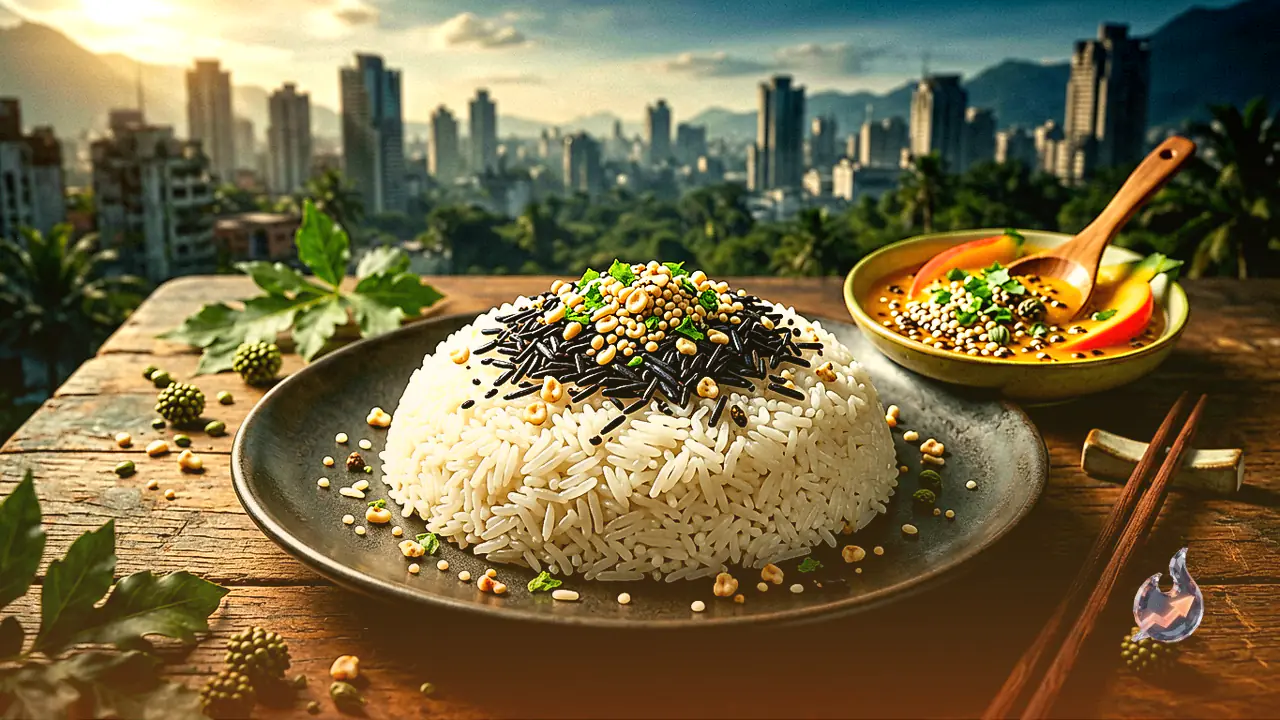
In Uttarakhand, potha-kaleji is usually served with mandua roti, wheat roti or jhangora rice. Mandua is a traditional hill grain known for its nutritional value. When hot potha-kaleji is eaten with mandua roti, the flavour comes through even more. Many people also serve it alongside hill radish, green chillies and bhang chutney, which adds to the overall taste. This combination is seen as a marker of local food culture. The dish is also specially prepared during family gatherings and special occasions in the hill regions, and remains popular among people who favour local food traditions.
Tips for Getting It Right at Home
Anyone looking to make good potha-kaleji at home should keep a few things in mind. Always use fresh gizzard and liver, and clean them thoroughly. Roasting the spices on a slow flame draws out their flavour better. Cooking in an iron kadhai helps the spices and meat cook through evenly. Adding too much water can dilute the flavour, so water should be added only as needed. Topping it with fresh coriander and green chillies once it's cooked enhances the taste further. Local spices like jakhiya and jambu should be used whenever available. Made with the right ingredients and a little patience, potha-kaleji is a dish that can win almost anyone over.