





















The moment the first monsoon showers hit Chhattisgarh, a familiar guest returns to village kitchens, a wild mushroom that sprouts naturally in forests and fields, locally called chhata putu. As soon as the rains begin, this indigenous mushroom starts appearing around farmland and trees, and demand for it shoots up in rural areas. Packed with flavour and nutrition, it becomes a regular part of household meals across Chhattisgarh through the rainy season.
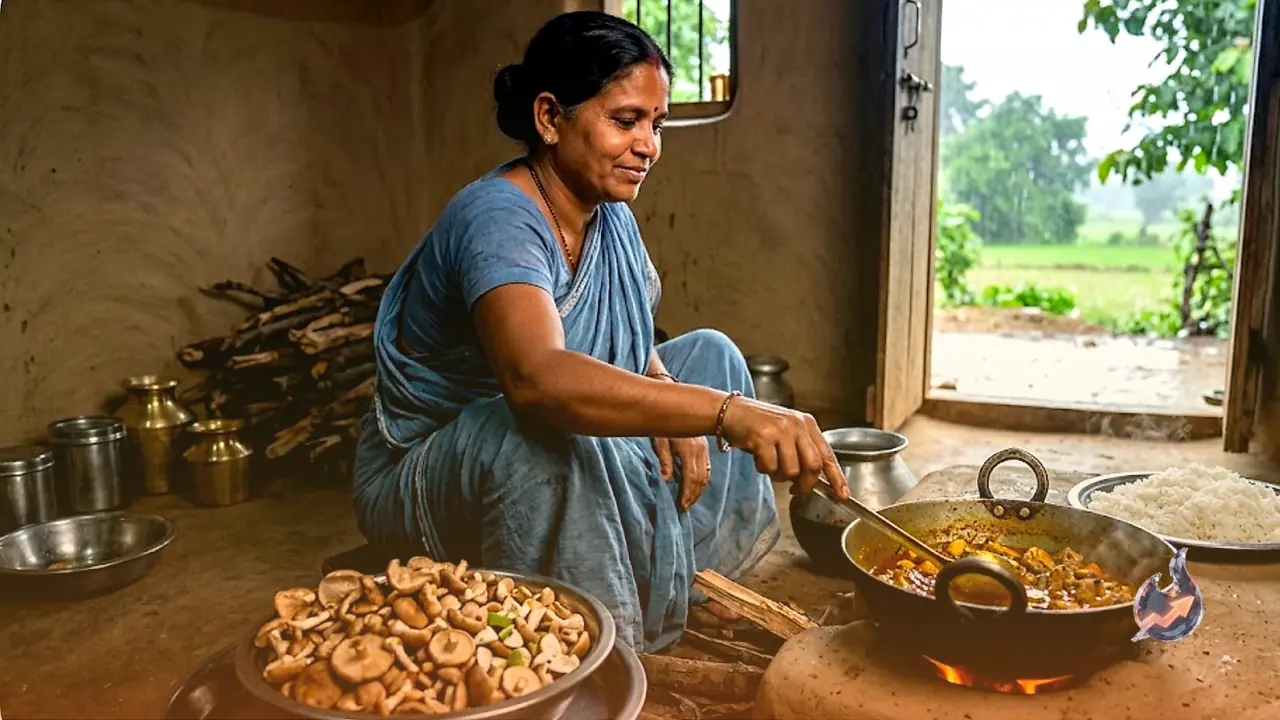
Annu, a homemaker from Jarve village in Janjgir-Champa district, says that whenever fresh chhata mushroom is available during the rains, families make sure to cook its bhujiya or a spicy sabzi at home. In her words, translated from the local dialect, the real joy of eating hot chhata mushroom sabzi comes only when it is paired with rice.
From the forest straight to the kitchen
During the monsoon, chhata putu grows naturally around forests, farms and trees in rural areas, and it is easy to find at this time of year. The right combination of moisture and temperature makes the mushroom push its way out of the ground. Villagers pluck it fresh every day and cook it the same day using traditional methods, since the mushroom does not stay fresh for long.
From cleaning to cutting, the prep work
Chhata putu picked during the rains carries mud, leaves and other debris on it, so it needs to be washed several times in clean water. A single wash is not enough for the mushroom to be considered properly clean. After washing, the larger mushrooms are cut into small pieces so that every piece cooks quickly and evenly.
The magic of a Chhattisgarhi tempering
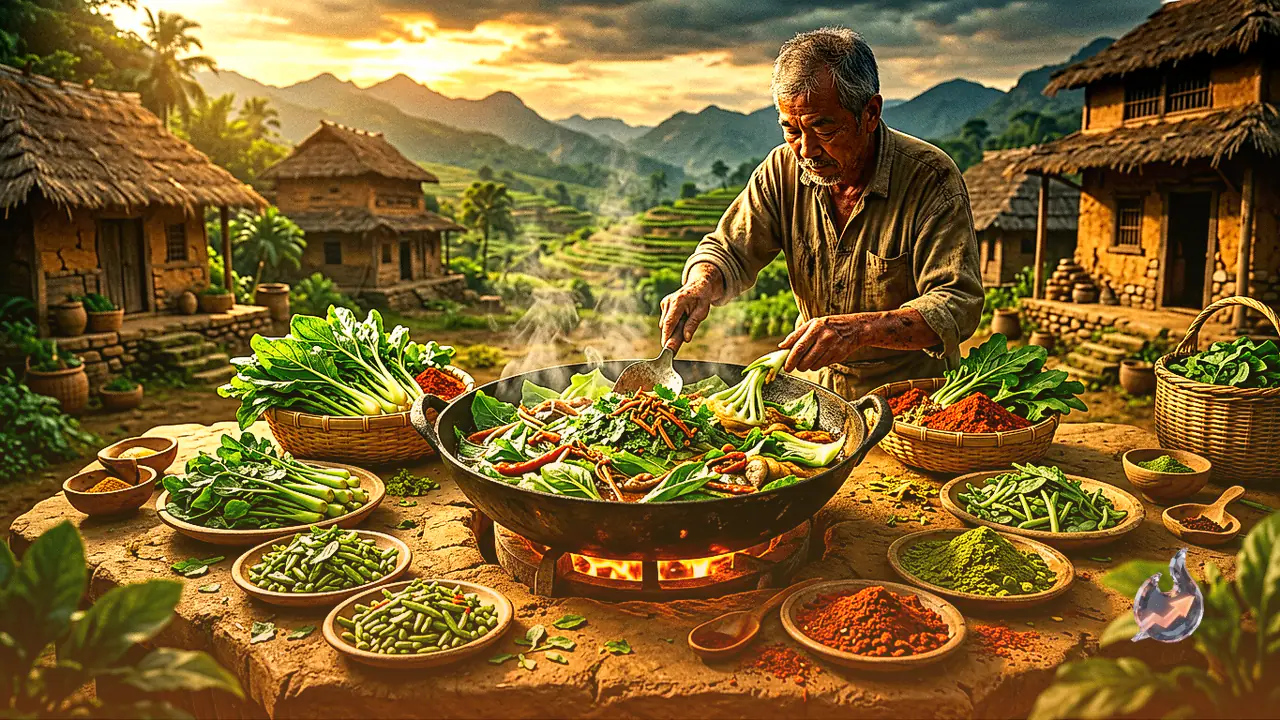
Annu explains that oil is first heated in a kadhai and mustard seeds are tempered in it. Finely chopped onion and garlic are then added and sauteed until golden. Tomato, green chilli, turmeric, red chilli, coriander powder and other spices go in next to create a fragrant masala. It is this desi tempering that gives the sabzi its distinct Chhattisgarhi flavour.
Ready in just 5 to 7 minutes
Once the masala is well roasted, the chopped chhata putu is added and mixed thoroughly. The kadhai is then covered and the mixture is cooked on a low flame for about 5 to 7 minutes. As soon as the mushroom turns soft, salt is added to taste, and the sabzi is ready to be served.
The real flavour comes out with rice
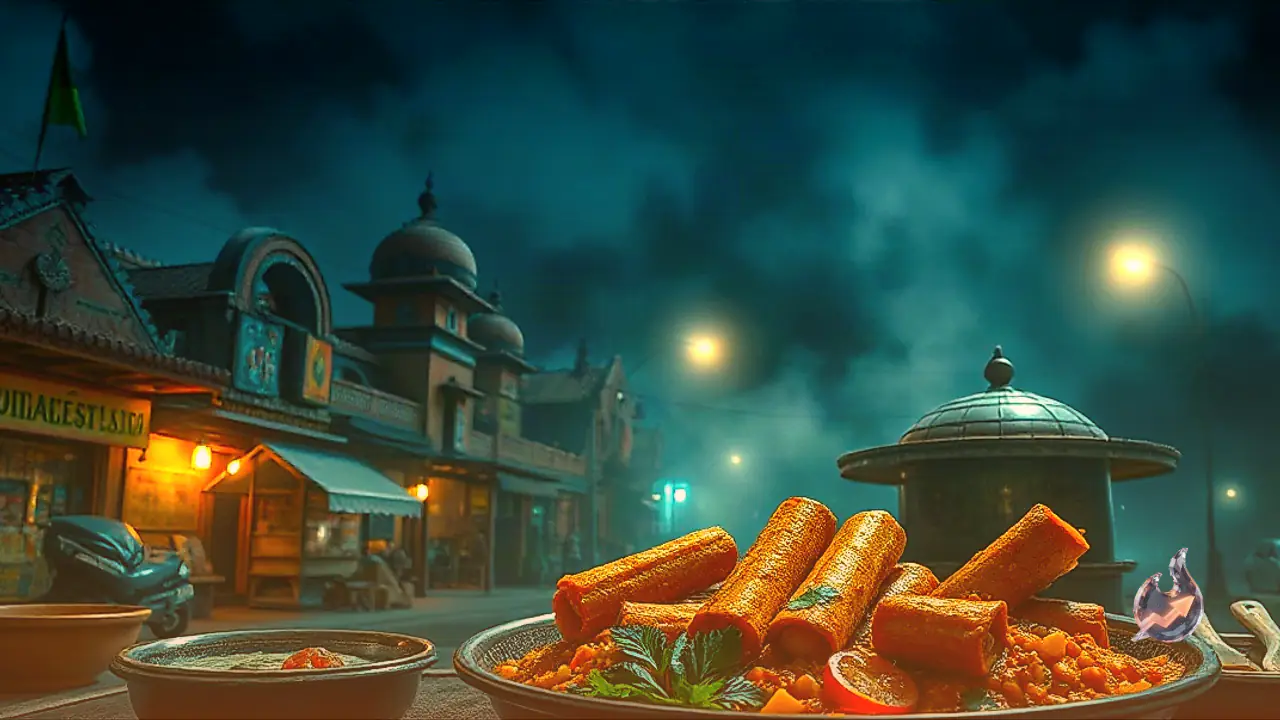
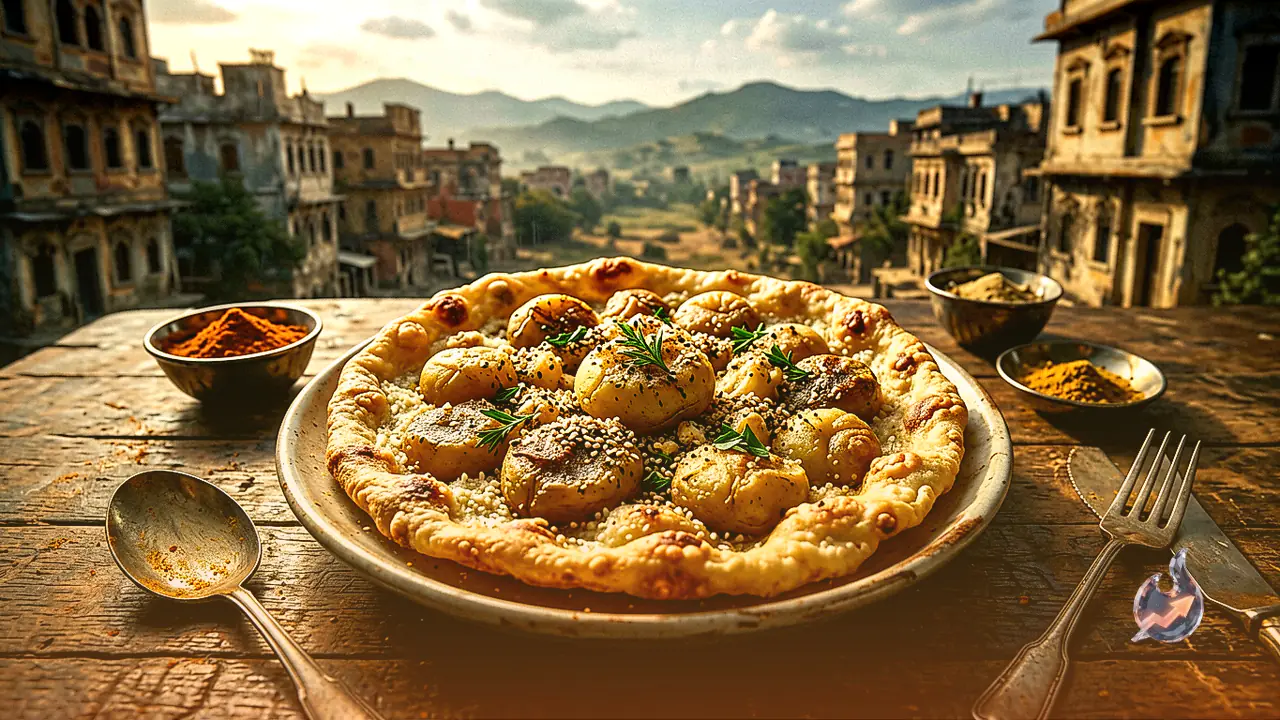
In Chhattisgarh, the piping hot bhujiya or spicy sabzi made from chhata putu is served with dal and rice. Many people eat it with roti as well, but villagers believe its true taste comes through only when it is eaten with hot rice.
Just as good for health as it is for taste
Chhata putu, which grows naturally in the wild, is considered both tasty and rich in nutrients. That is exactly why demand for it rises sharply in Chhattisgarh's villages during the monsoon season, turning it into one of the most loved seasonal dishes of the region.