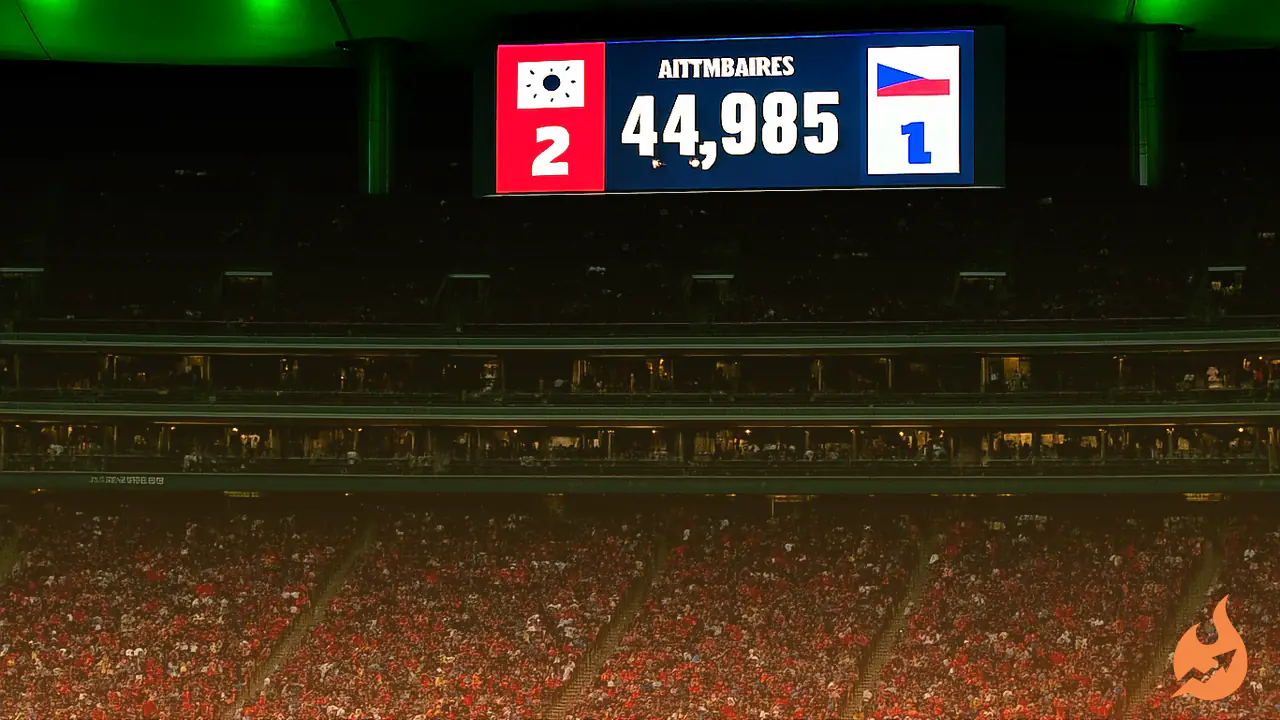

One of the biggest events in the world of sport, the FIFA World Cup, kicked off on June 12, with the very first opening match played between the teams of Mexico and South Africa. This time football's grandest tournament is being hosted jointly by the United States, Mexico and Canada, with the largest number of matches set to be played on US soil. Football fans wait eagerly for this event, and the longest wait of all is usually for match tickets — but this time the picture looked rather different on the very first day. During the match between South Korea and the Czech Republic, thousands of seats in the stadium were left empty. The biggest reason behind this was the ticket prices, which climbed to around 1100 US dollars — in current Indian currency that works out to as much as 104646 rupees — and because of this, 180000 tickets remained stuck on resale portals.
How High Ticket Prices Created This Situation
Most of FIFA's earnings come from this single tournament, which is held only once every four years. From 1994 right up to now, hosting the World Cup has earned FIFA a great deal, and this time too the body has high hopes. Its main sources of income are things like ticket sales, hospitality packages, broadcasting rights, sponsorship and licensing. This time, however, ticket prices saw a sharp increase, the effect of which was visible on opening day. FIFA's decision on ticket pricing appeared to completely backfire on the very first day, with thousands of seats lying empty during the match between South Korea and the Czech Republic in Guadalajara. Compared with the last FIFA World Cup held in Qatar, ticket prices this time have risen by up to five times.
180000 Tickets Stuck on Resale Portals
For the matches of this football World Cup, FIFA adopted a fluctuating, or dynamic, pricing system for selling tickets, under which the price of a ticket at one point reached 1100 US dollars — that is, 104646 rupees in current Indian currency. Because the tickets were so expensive, 180000 of them remained stuck on resale portals. When the tickets did not sell, their prices were also cut at the last moment, yet seats still stayed empty — and as a result, US officials have now launched an anti-trust investigation.