






















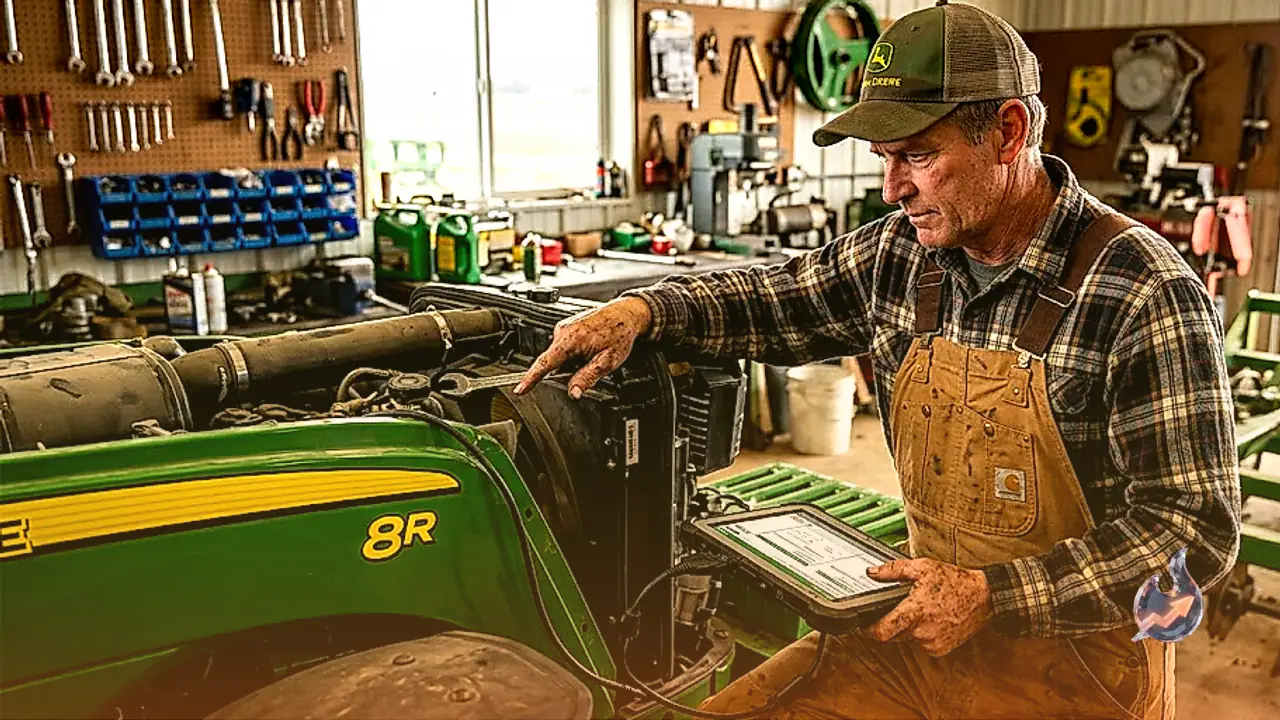

The recent agreement between the Federal Trade Commission and John Deere marks a significant milestone for the right-to-repair movement. Under the terms of this settlement, John Deere is now obligated to provide farmers and independent repair shops with the same diagnostic tools and resources that were previously restricted to authorized company dealerships. This includes critical software access, allowing users to read and reset diagnostic codes and integrate equipment with third-party software. Previously, limited access to these systems frequently caused frustrating delays in troubleshooting, which created a direct threat to agricultural productivity.
Reducing Harvest Delays
For farmers, equipment downtime often translates into lost harvests and significant financial risk. The new mandate requires John Deere to maintain this level of access for a 10-year period, with the entire implementation process being monitored by the FTC to ensure compliance. By eliminating the bottlenecks that plagued the diagnostic process, the agreement aims to protect the livelihoods of those who rely on these machines to survive.
The Long Legal Journey
Farmers have been challenging John Deere’s restrictive repair policies for over a decade. The federal government stepped into the fray in 2021, with the FTC, led by Lina Khan under the Biden administration, pushing for structural changes. While John Deere agreed to a $99 million payout in April to settle a separate class action lawsuit from 2022, advocates emphasize that this FTC settlement provides long-term utility rather than just a one-time cash payout. This development represents a structural shift in how agricultural equipment ownership is viewed.
Corporate Response and Advocacy
John Deere maintains that it has long offered robust repair resources, including service manuals and diagnostic equipment for its users. In an official statement, the company framed the settlement as an extension of its existing innovation, claiming the agreement formalizes its ongoing commitment to providing transparency and flexible options for customers. Meanwhile, consumer advocacy groups like US PIRG have hailed the outcome, recalling their own 2022 formal complaint to the FCC regarding the manufacturer's restrictive practices. Nathan Proctor, the Right to Repair campaign director at PIRG, noted that being able to repair one's own property is a fundamental issue. He stated that this deal offers farmers better options and serves as a major win for everyone interested in creating a more fixable world.