















In 1994, the death of Rwanda’s president, Juvénal Habyarimana, in a plane crash ignited a 100-day period of terror. During this time, the Hutu majority killed approximately 800,000 members of the Tutsi minority, who were scapegoated for the president’s demise.
Following this horrific genocide, the nation faced the daunting challenge of moving forward. To prevent further cycles of violence, the new government implemented a justice and reconciliation process designed to enable all citizens to live side by side in peace. Central to this effort was the establishment of Reconciliation Villages.
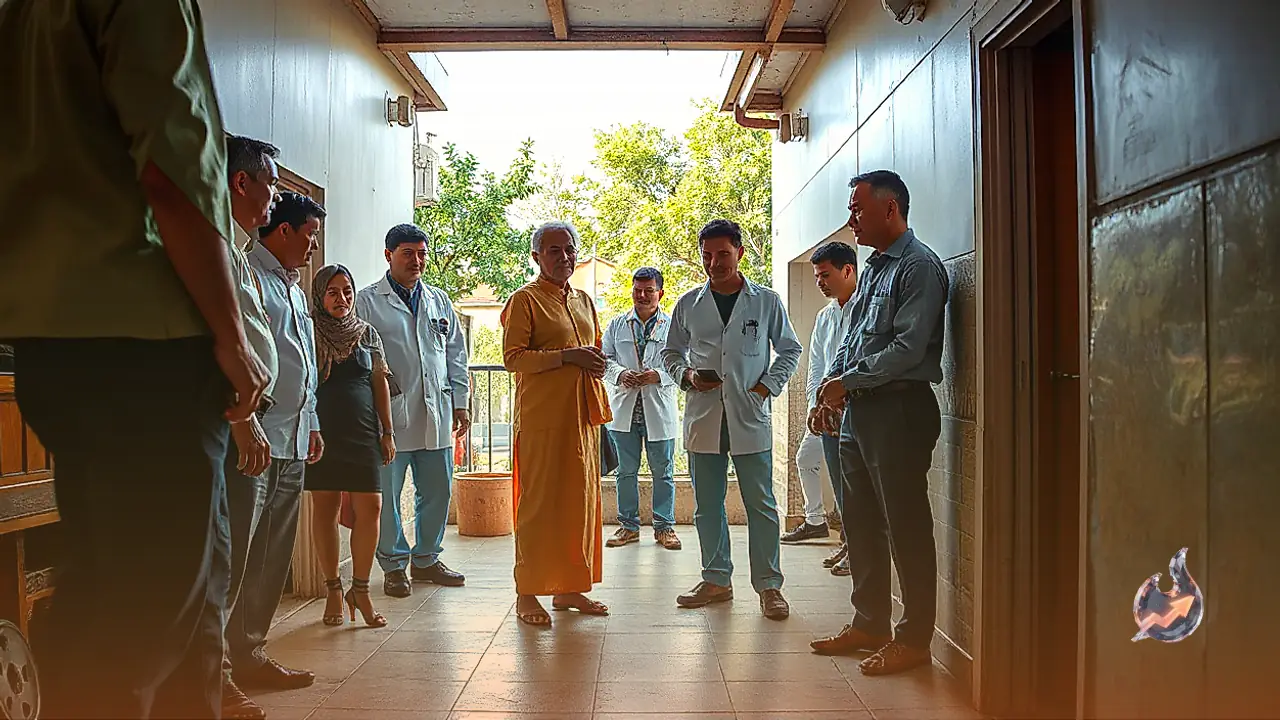
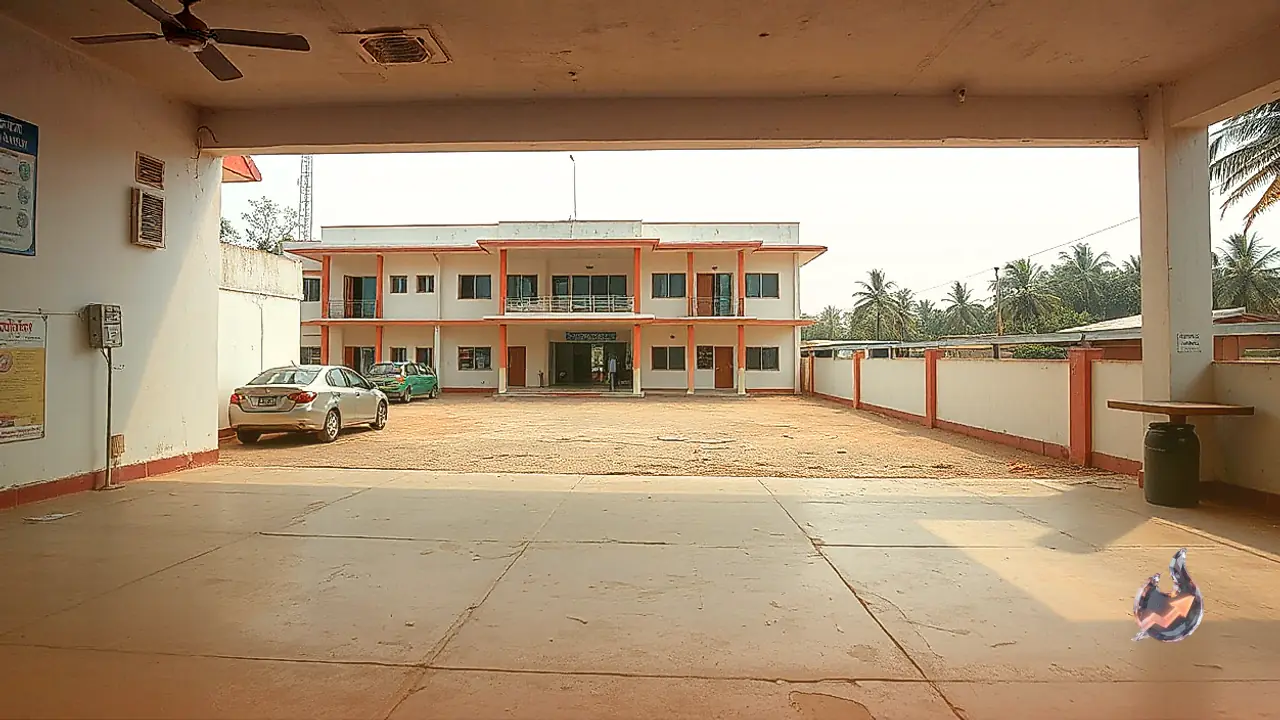
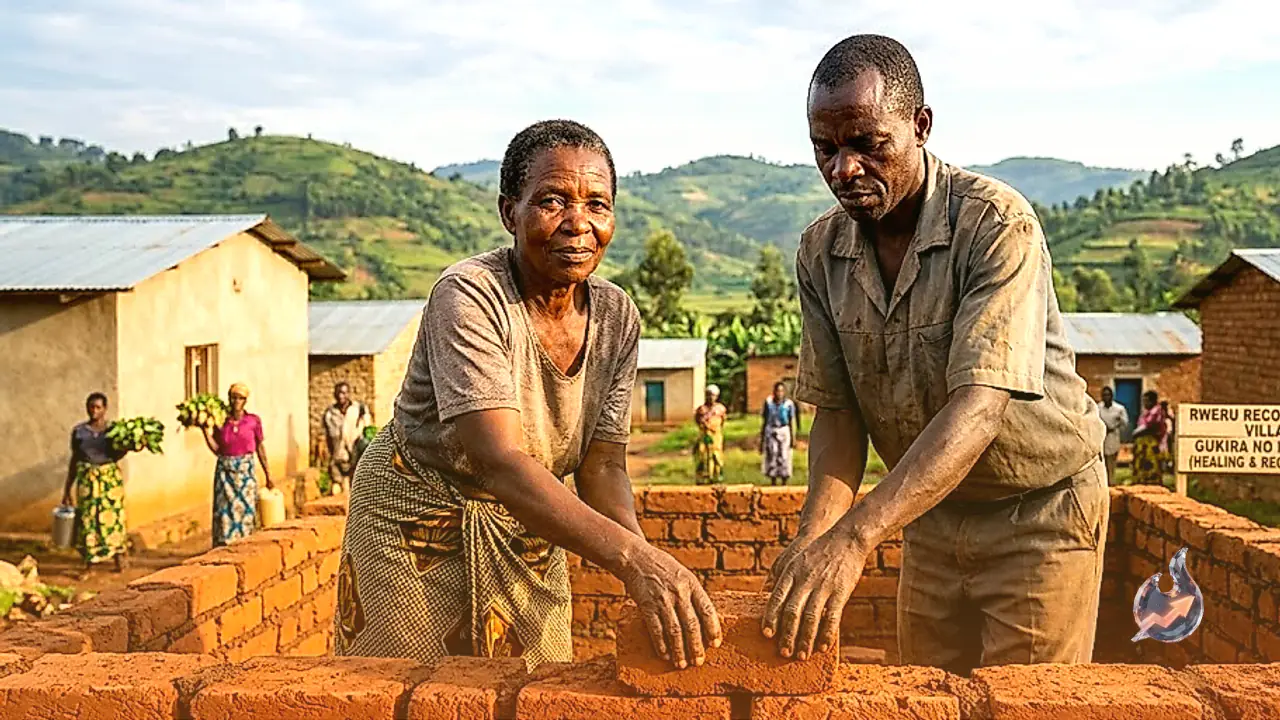
Rweru Reconciliation Village stands as a primary case study in post-genocide reconstruction. This community is home to both survivors and perpetrators of the genocide, serving as a testament to the possibility of coexistence. Residents engage in collaborative efforts, such as farming the land, constructing homes, and participating in communal activities to rebuild their social fabric.
Forgiveness in Rwanda is certainly not without significant hurdles. It is a time-consuming and deeply personal journey, heavily influenced by cultural, religious, and spiritual beliefs. For those residing in Rweru, forgiveness is not viewed as condoning past atrocities, but rather as a necessary act to escape the cycle of hatred. Rwanda provides a global example that even after unspeakable trauma, communities can unite, offer forgiveness, and rebuild their lives.
What is political forgiveness?
Political philosopher Hannah Arendt, in her book The Human Condition, noted that without the ability to be forgiven and released from the consequences of past actions, our capacity for future action would be severely restricted. Arendt argued that forgiveness is as essential in the public sphere as it is for maintaining private bonds.
Psychologists define forgiveness as a conscious decision to relinquish feelings of resentment and anger toward those who have caused harm, irrespective of whether the offender deserves it. Research through the Stanford Forgiveness Project has empirically validated methodologies that promote self-forgiveness and the ability to forgive others. Such approaches offer a promising framework for addressing political and civil unrest.
Our objective is to merge the secular forgiveness model developed by the Stanford Forgiveness Project with a proven dialogue method from Colombia to establish a process we call political forgiveness. We define this as the process of repairing fractured relationships among nations or groups, with the ultimate goal of healing individuals and restoring communal trust.
Forgiveness in Rweru
Political forgiveness is best illustrated by the lives of Rweru residents Maria Izagiriza and Philbert Ntezirizaza. Izagiriza lost her husband and six of her nine children during the genocide, while Ntezirizaza, who was her neighbor, was one of the perpetrators responsible for the killings.
Izagiriza recounts the night she was betrayed by a neighbor she trusted, which led to the massacre of her family. Ntezirizaza, who was a teenager indoctrinated by extremist ideology at the time, admits that his mindset was far more lethal than the weapons he carried. After serving time in prison following the genocide, he was consumed by shame and guilt. He eventually sought forgiveness from Izagiriza, understanding that it was the only path forward for both of them. His request was accepted, and today, they work side by side in the village fields to sustain their community.
Turning experiments into examples
Political forgiveness begins when parties involved in a conflict commit to working together. Our method, inspired by the process used in Colombia following President Juan Manuel Santos’s peace talks in 2012, focuses on creating safe spaces for dialogue. The Truth, Co-existence and Non-repetition Commission in Colombia demonstrated that structured dialogue can help participants separate objective events from the emotional meanings ascribed to them.
We are currently testing this model with Palestinians and Israelis in the United States, who are striving to reconcile their deep-seated differences. Through our research and practice, we have observed that forgiveness is both a choice and an ongoing process—one that can be effectively taught and practiced to help societies heal from even the most profound conflicts.