
















The clue is in the title: Evil Dead. It is inherently malevolent. This horror saga has never been about rainbows or kittens. Beginning with the 1981 original by a then-20-year-old Sam Raimi, the series has long been a source of cinematic joy for gore enthusiasts, characterized by gross-out gags, excessive fluid, and iconic chainsaws. Groovy, as they say.
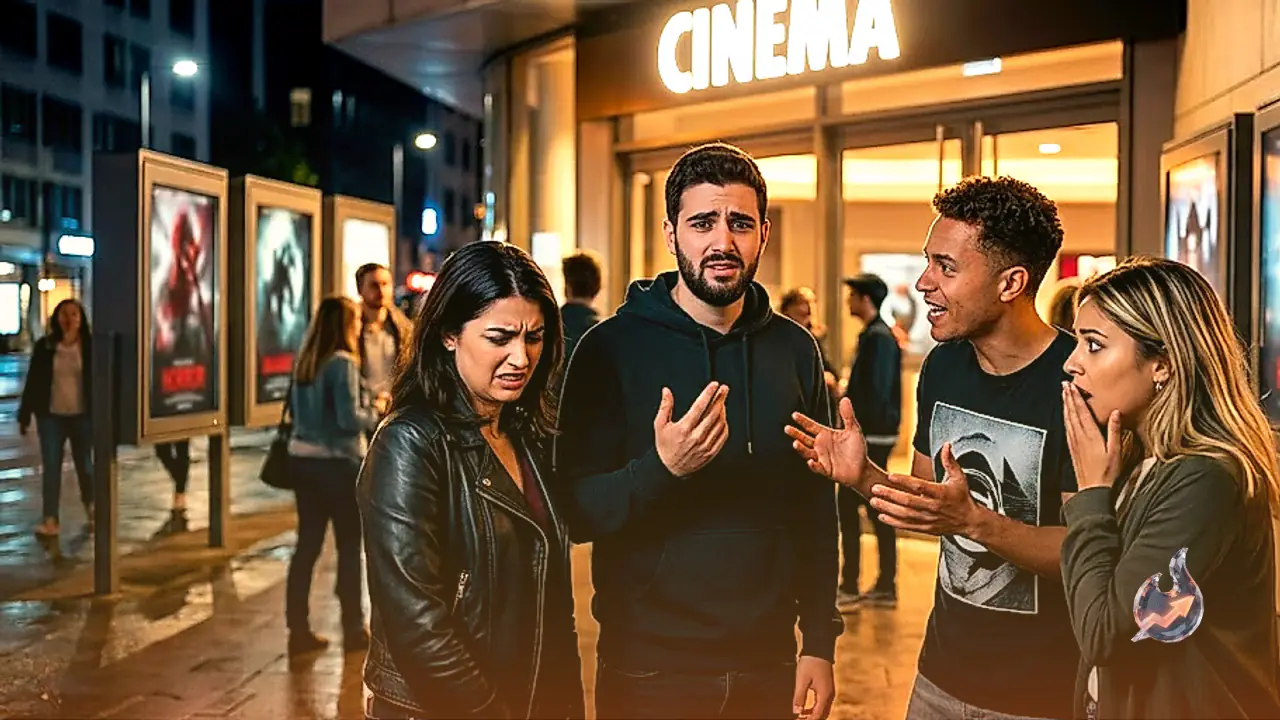
In recent years, however, Evil Dead has shifted into significantly darker territory. This week’s release, Evil Dead Burn, stands among the most visceral and gruesome mainstream horror films in recent memory. While that might serve as a badge of honor for some, the reception to Burn appears sharply divided. A primary criticism is that the film is simply too mean. Is there such a thing as being too cruel in horror?
The Balance of Comedy and Gore
For most fans, the brand name implies ghoulish fun, horror films governed by Looney Tunes logic that fling blood with wild abandon. This was primarily true of Evil Dead II, the comedy-horror heart of Raimi’s trilogy, and the 1992 threequel Army of Darkness, which leaned more into fantasy-comedy. Conversely, the original 1981 The Evil Dead was far less comedic, feeling raw and lo-fi.
This viciousness evolved significantly with the 2013 brutal remake, Evil Dead, which shares the closest tonal DNA with Burn. Director Fede Alvarez took the base elements of the original—a cabin, a group of friends, and the Book of the Dead—and reimagined them with wince-inducing gore and a sense of genuine malevolence. A similarly hardcore approach was taken by Lee Cronin in 2023’s Evil Dead Rise, though it retained more of the classic Sam Raimi humor. Burn, as a direct successor to Rise, pushes that darkness to its logical extreme.
Pushing Beyond Limits
For some viewers, the film is a step too far. French filmmaker Sebastian Vaniček embraces the ruthlessness, subjecting a grieving family, including protagonist Alice (Souheila Yacoub), to demonic terror that tears them apart. According to the BBFC report, the film features bloody injury details, gore, and heavily bloodied bodies. It is a far cry from the slapstick perfection seen in Evil Dead II when Bruce Campbell’s Ash battled his own possessed hand.
Even in the darkest moments of the series, there is a specific energy that defines the Evil Dead experience. Sam Raimi has always been a kinetically charged filmmaker, with his camera racing around, crash-zooming, and flying through spaces. Comedy and horror are often two sides of the same coin, with only a hair’s breadth between a laugh and a scream. In Raimi’s hands, it is the sheer impact that makes both work. His production company, Ghost Train, perfectly encapsulates this: the best works in the series feel like a runaway fairground ride that is scary, funny, and relentlessly energetic.
Exploring Darker Themes
This sensibility remains the baseline for films post-2013, including Burn. They are nastier, gorier, and less overtly humorous. Perhaps this is exactly where Evil Dead Burn is causing a divide. Vaniček is relentless, smashing skulls and slamming bodies, but the violence in Burn possesses a hard-edged, real-world veracity that distinguishes it from the more outlandish shock-and-gore of predecessors.
This isn't a flaw; it is a feature. While Alvarez’s film used Deadites as a metaphor for addiction, Vaniček’s entry explores the impact of male violence. Alice’s recently-deceased husband, William (George Pullar), was abusive, a secret she keeps from his family. The Deadites draw out the simmering aggression in William’s father and brother, Joseph (Hunter Doohan), forcing Alice to fight her way out of their clutches. Scenes like the possessed father Edgar (Erroll Shand) attacking the family dog feel significantly more complex and uncomfortable. Beyond the Raimi influence, Burn exists in a lineage of the New French Extremity movement.
There are moments of humor in Burn, such as the funeral service interrupted by loud construction work. However, the gags are largely separated from the demonic action. When the horror kicks in, the mischievous instincts that defined earlier films are far less present. Distilling the ultra-violence, mega-gore, and dark themes of Burn into a single descriptor is difficult; perhaps mean is the closest approximation.
Ultimately, what you want from an Evil Dead movie is subjective. Burn is brilliantly crafted, technically ambitious, and relentlessly pedal-to-the-metal. It goes hard, which is a true Raimi characteristic. But if you are seeking Ash fighting his own hand, there are always the earlier classics to return to. Bring the boomstick.
Evil Dead Burn is out now in cinemas.