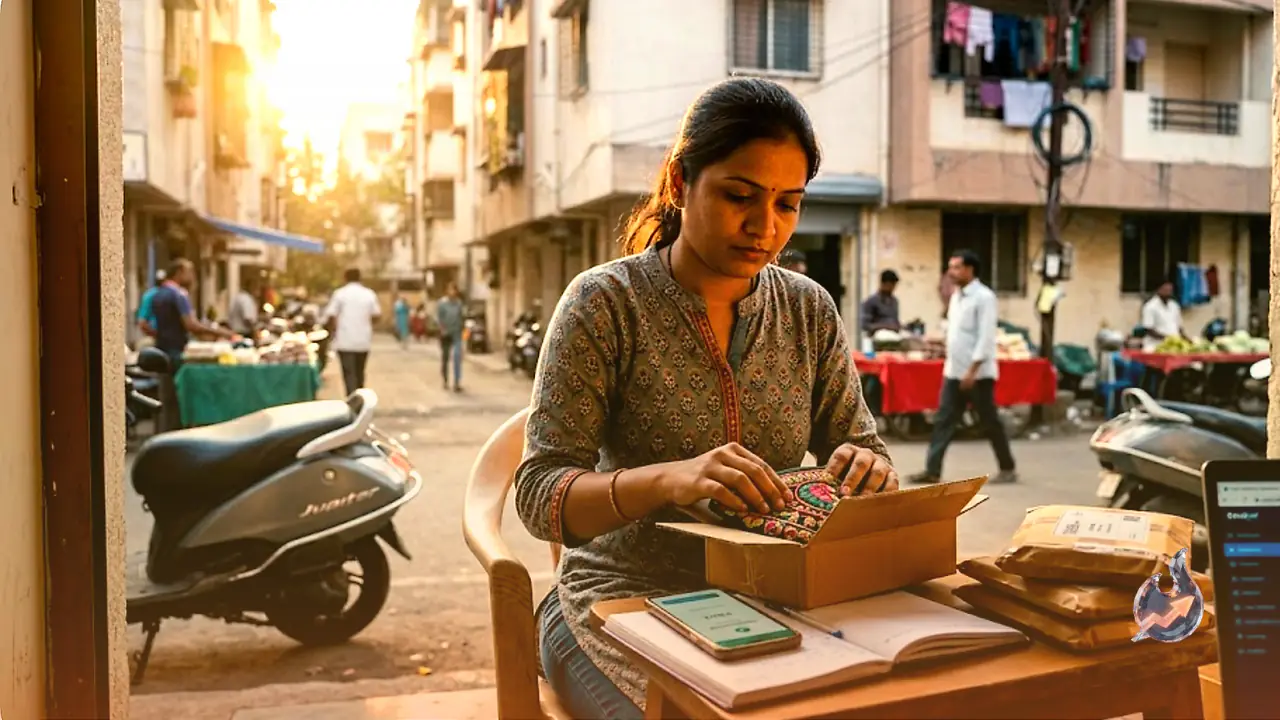

Most people don't quit their jobs to build wealth, they add a second income stream next to the one they already have. A side business lets you earn beyond your monthly salary while keeping the stability of full time work, and with smartphones, UPI payments and social media doing most of the heavy lifting, launching one today needs far less money and time than it used to. It doesn't matter whether you're a salaried employee, a student, a homemaker or already freelancing part time, the barrier to starting something small on the side has never been lower.
This guide walks through what a side business actually means, why it makes financial sense, the advantages it brings, a practical step by step process to launch one, and a long list of ideas grouped by budget, skill and hobby, along with how to actually get paid once customers start showing up.
What Exactly Counts as a Side Business?
A side business is simply a second income stream you run alongside your main job or primary occupation. It can be entirely online, entirely offline, or a mix of both. Some people start with freelance assignments that pay per project, while others build something that compounds over months, like an online store. The common thread is that almost none of these require a big upfront budget, and most grow only as fast as the effort you put into them.
The key difference from a full time venture is scale and risk. A side business stays part time, low risk and flexible by design. There is no need to resign from your job or sink your savings into it before you even know if the idea works. Instead, it lets you test a concept, sharpen new skills and build income gradually, on a timeline you control rather than one dictated by rent or payroll.
Where Does the Money Actually Come From?
A side business essentially opens a second tap of income, one you can use to cover daily expenses, build savings, or reinvest for the long run. Over time a side hustle can even outgrow the job it started next to, plenty of people who now run full time companies began by treating that company as a weekend and evening project rather than their main occupation.
Broadly, that money arrives in two forms.
- Active income requires ongoing time and effort. Freelancing, tutoring, and selling handmade products all fall in this bucket, you get paid roughly in proportion to the hours you actually put in.
- Passive income keeps paying even when you are not actively working on it. Blogging, affiliate marketing and selling digital downloads are good examples, once the groundwork is done, they can keep generating income with far less daily involvement from you.
Why Bother Starting One at All?
Beyond the extra money, a side business buys you a measure of financial independence, a cushion that doesn't rely entirely on one paycheque. It also gives you room to actually use your skills or interests, whether that's writing, baking, teaching or coding, and turn them into something that pays, without betting your main income on the outcome.
Think of it as insurance too. If your job situation changes suddenly or an emergency drains your savings, an existing second income softens the blow considerably. And along the way, you pick up real, transferable experience in budgeting, marketing and dealing with customers, all while your primary job stays completely untouched.
The Real Advantages of Running a Side Business
- Low startup cost: You rarely need a large budget to begin. Ideas like freelancing, online teaching or dropshipping can be launched with minimal money, often just free or cheap digital tools and an internet connection.
- Flexible working hours: You choose when to work, evenings, weekends, or whatever slot happens to be free, which makes it easy to fit around a job, studies or household duties without constant conflict.
- A low risk way to test ideas: If you've got a business concept but aren't ready to commit to it full time, running it as a side hustle first lets you study the market, build a customer base and refine the offering before taking a bigger leap.
- Skills you can actually use elsewhere: Even a small side operation teaches communication, digital marketing, budgeting, customer service and problem solving, skills that help in your main job too, or set you up for a bigger venture later on.
- A boost to your career and income both: A side business that works doesn't just pay more, it widens your professional network, and can open doors to freelance projects, partnerships, or eventually a full career switch if that's the direction you want.
How to Actually Start One, Step by Step
The process itself doesn't need to be complicated, it just needs to be followed in order rather than skipped around.
- Identify what you're already good at: Start from existing skills or genuine interests, writing, graphic design, baking, teaching or digital marketing are all fair game, you don't need a brand new skill to begin.
- Check whether the market actually wants it: Before committing time or money, find out if there's real demand for what you plan to offer, search engines, online marketplaces and social media all give useful signals about that.
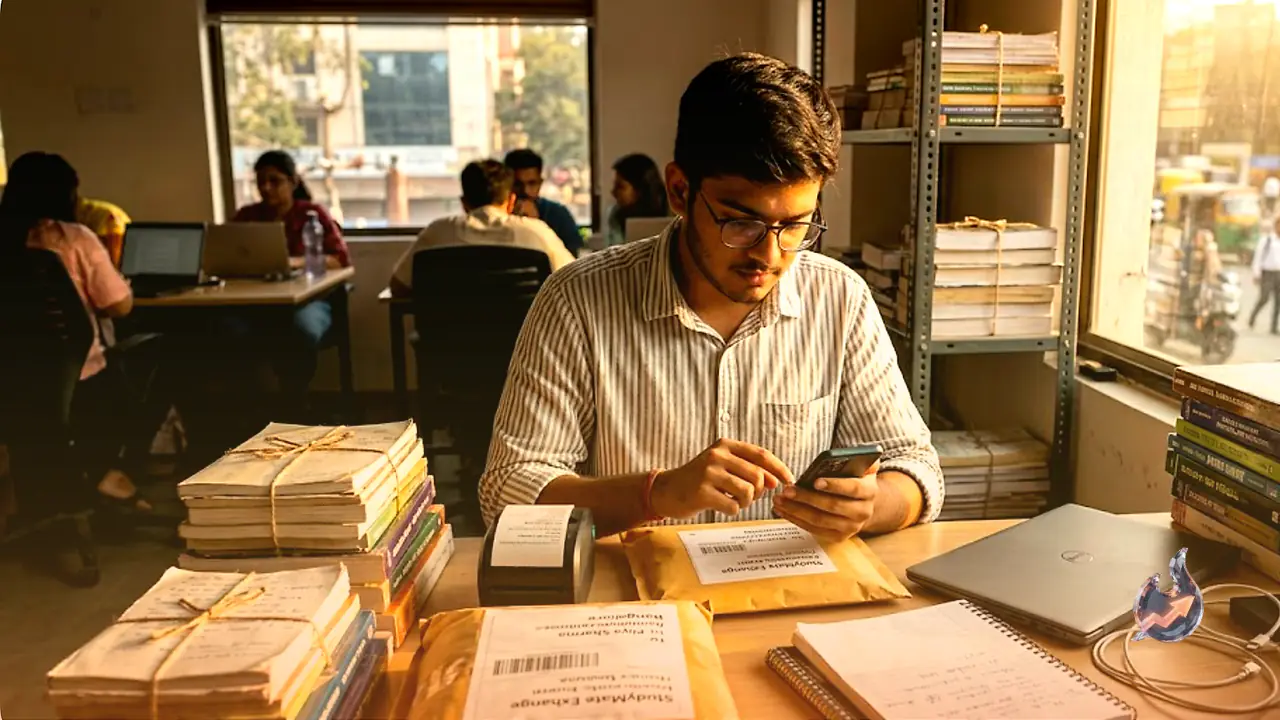
- Pick something cheap or free to start: Freelancing, online tutoring, affiliate marketing and reselling are all good examples of ideas that need little to no money upfront to get going.
- Fix a schedule you can actually stick to: Decide how many hours a week you can realistically commit, and pick a slot that doesn't eat into your main job or personal responsibilities.
- Promote it through social media and your own network: Post regular updates, photos or offers where your audience already spends time, and tell friends, family and local groups to help spread the word.
The Best Side Business Ideas Working in India Right Now
Some ideas work better than others depending purely on how much time, skill or capital you can put in, here are five that consistently work across different situations.
- Freelancing: If you have skills in writing, graphic design, web development or another specialised service, freelance work is a reliable side income source. You pick up short term or project based assignments in your free time, and you control your clients, your hours and the kind of work you take on.
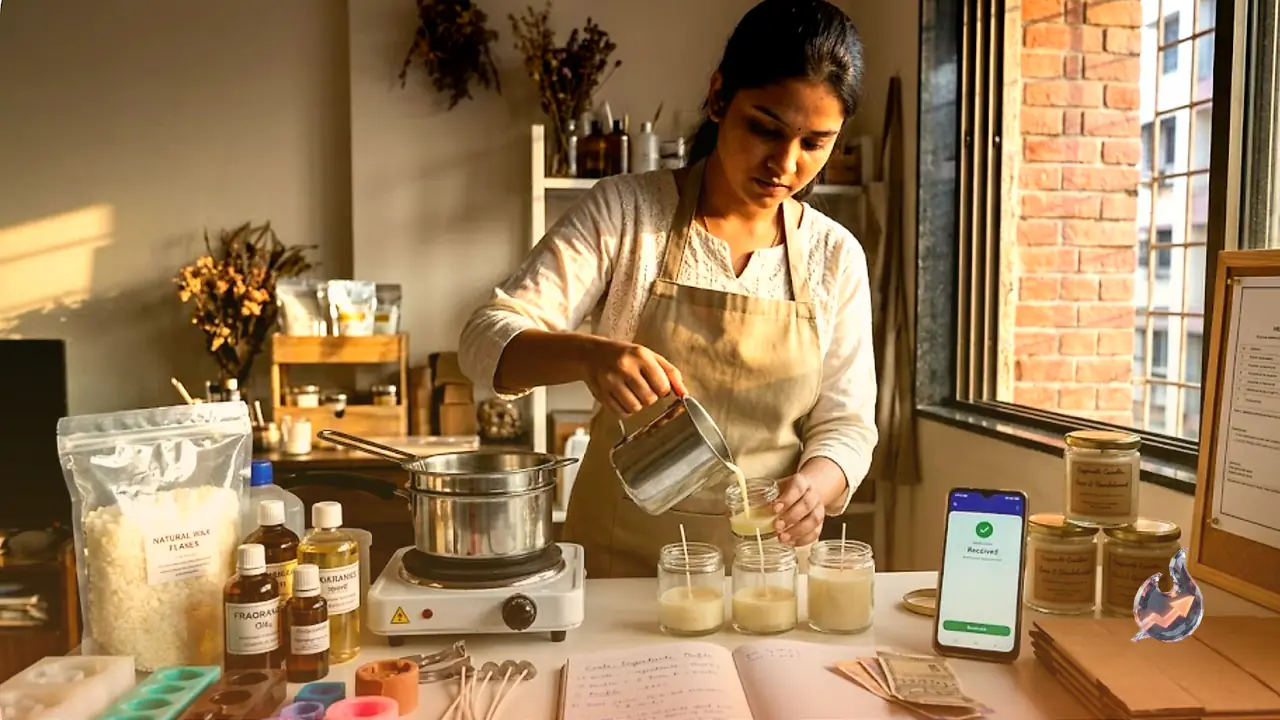
- Selling handmade products: Good with handmade soaps, candles, jewellery, decor items or snacks? That hobby can become a genuine business. Start by selling to friends and family, take custom orders, and promote through local networks and social media. It's a particularly good fit for homemakers and anyone naturally creative.
- Online coaching or tutoring: Strong in a school subject, a competitive exam, or a skill like music, art or public speaking? You can teach school students, working professionals or hobby learners online. All you really need is a phone or laptop with internet and a quiet corner to run your sessions from.
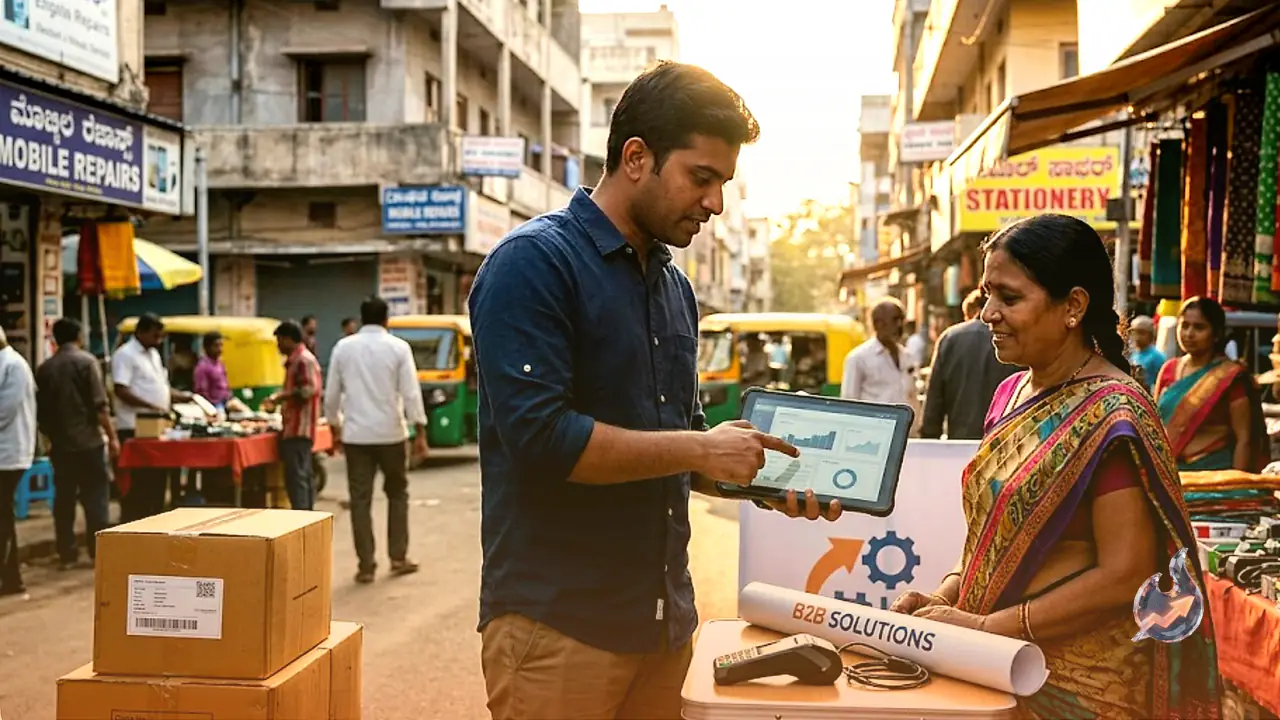
- Dropshipping and affiliate marketing: Dropshipping lets you sell products online without holding any stock, you sit between the supplier and the buyer and earn a margin on every sale. Affiliate marketing works differently, you promote products or services through your own content and earn a commission whenever someone buys through your link. Both are strong choices if you want an online side business with low investment and limited risk.
- Renting out property or assets: A spare room, a parking spot, a vehicle, a camera or even tools that others occasionally need can all be rented out for a fee. It's about as passive as side income gets, the main job is simply keeping the asset in good shape and available when someone wants it.
Side Businesses You Can Start With Zero Money
If capital is the one thing you don't have right now, these ideas need almost none of it to get off the ground.
- Content writing and blogging: If writing comes naturally, offer content writing services to businesses, websites or agencies, or start a blog on topics you actually care about. Blogging usually takes time before it pays, but eventually it can earn through ads, sponsored content or affiliate links.
- A YouTube channel: All you need is a smartphone and an internet connection. Build videos around education, cooking, finance, travel or your own experiences, and over time you can earn from ad revenue, brand partnerships or paid promotions.
- Social media management: If you know how to build posts, grow followers or engage online communities, plenty of small businesses would happily pay for part time help running their Instagram or Facebook presence.
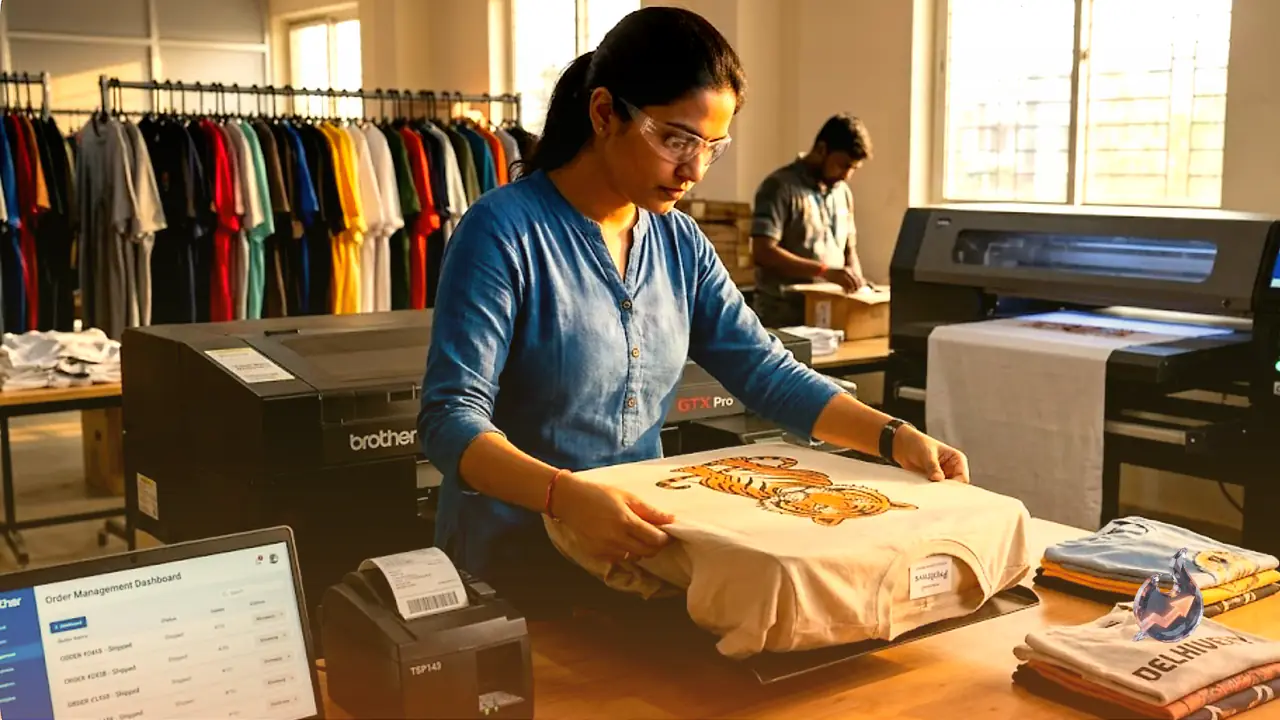
- Print on demand: Design T shirts, mugs, phone covers or notebooks without ever buying or storing stock. A third party prints and ships each order once it's placed, your job is purely creating and promoting the designs.
- Virtual assistant work: Comfortable handling emails, scheduling meetings or basic data entry? Professionals and small businesses regularly hire virtual assistants for exactly this kind of task, and you can do the whole job from home with just a phone or laptop.
Turning a Hobby Into an Income Stream
Sometimes the best side business is one you're already doing for fun, here's how a few common hobbies convert directly into income.
- Art and crafts: Paintings, home decor or jewellery you make by hand can be sold through an Instagram shop or platforms like Etsy, and promoted further through WhatsApp or local craft markets.
- Photography: If it's your strength, sell images through stock photo websites, or offer event photography for weddings, birthdays or corporate events on weekends.
- Writing: Start a blog and earn through ads or affiliate links, or go further and self publish e-books on online platforms, a solid route toward more passive income over time.
- Gaming: Heavy gamers can build a channel on YouTube or Twitch, and once an audience forms, income can come through ads, sponsorships and live donations.
Side Business Ideas Built for Creative Minds
Creative work splits fairly cleanly into two tiers, ideas you can start with almost nothing, and ideas that need real capital before they pay off.
If You Want to Start Small
- Graphic design and digital illustration: Offer logo design, brand identity kits, digital ads, brochures and illustrations. Build a portfolio first, then put it in front of people on social media.
- Handmade jewellery and fashion accessories: Jewellery, hair accessories or fabric based pieces made at home can become genuinely profitable, sold through social media, word of mouth, or local events and exhibitions.
- Digital products like printables and eBooks: Planners, templates or eBooks built around your skills or interests can be sold repeatedly with no stock or delivery to manage, and shared online through your own network to reach a wider audience over time.
- Personalised gifts and commissioned artwork: Customised portraits, calligraphy frames or nameplates are in constant demand for birthdays, anniversaries, weddings and festivals, and let you earn from made to order pieces built around exactly what the customer wants.
If You're Ready to Invest More
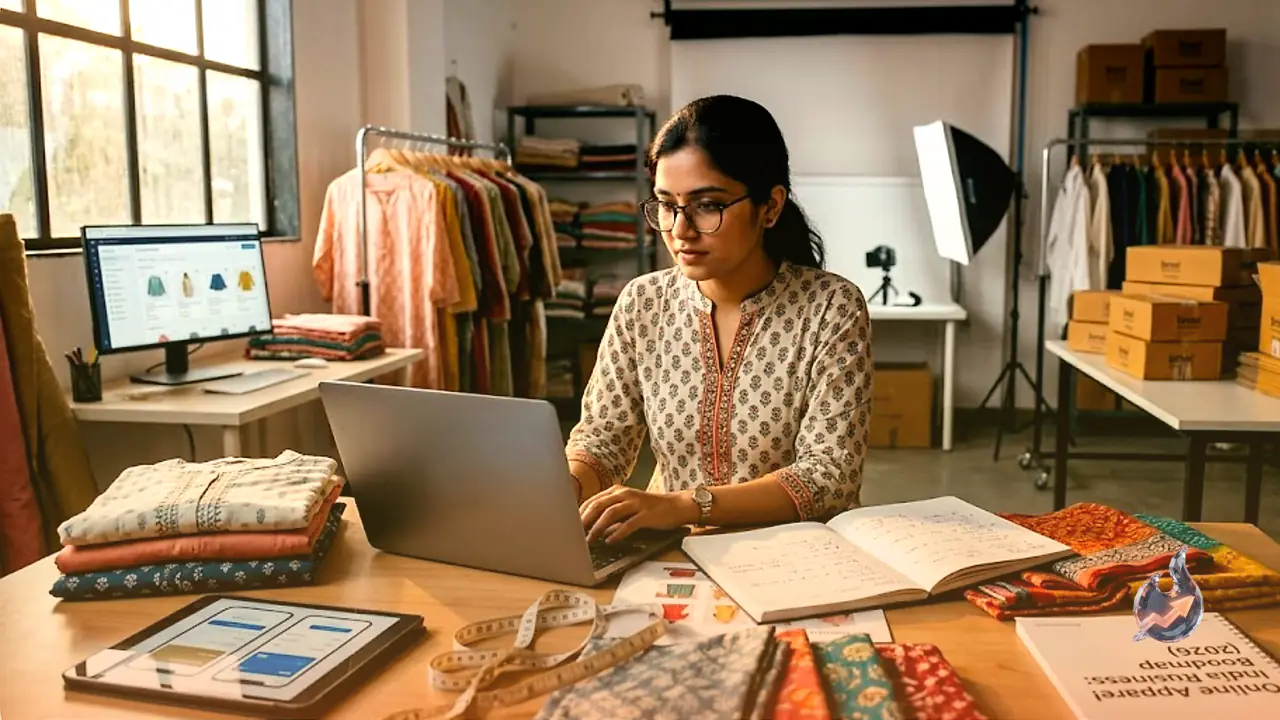
- E-commerce stores: Build your own brand selling clothing, beauty items or stationery online. This needs real investment in inventory, packaging and a website or seller account, but the right branding and marketing can reach customers right across India.
- Real estate investments: With extra funds available, buying property and renting it out can deliver a steady monthly income. It needs upfront capital and a basic grip on property management, but rental income also builds long term wealth over the years.
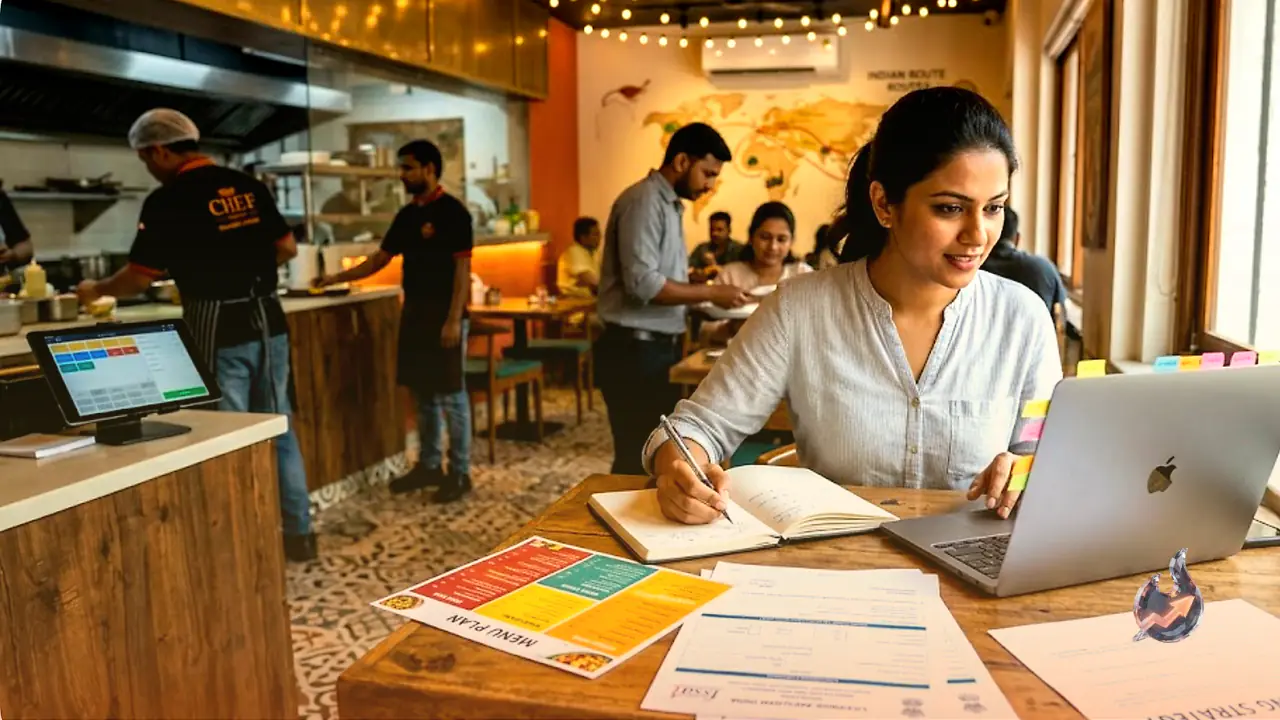
- Franchises of established brands: Running a franchise means operating under a name people already trust. You'll need to invest in the location, staff and licensing fees, but popular food or retail franchises usually come with built in demand and marketing support, ideal if you want a ready made, structured business model rather than building one from scratch.
- Manufacturing or white label products: Build your own brand manufacturing candles, snacks or skincare products, or rebrand existing products and sell them under your own label. It needs setup for production, packaging and distribution, but the right niche can scale considerably over time.
- Stock trading and cryptocurrency: If you understand financial markets, trading stocks or crypto can be a profitable side business. It takes time to learn, a strategic approach, and the ability to handle risk. Start small, grow as your knowledge improves, and always stick to proper risk management rather than emotional decisions.
Keeping a Side Business and a Full Time Job From Colliding
Starting the side business is the easy part, keeping it running alongside a full time job over the long haul is where most people actually struggle, and it comes down to managing time and energy deliberately.
- Manage your time deliberately: Use a calendar or planner to organise daily tasks, and block out specific time for the side business, before work, in the evening, or on weekends. A fixed routine keeps you consistent without eating into your main job.
- Start small and scale slowly: Don't try to do everything at once. Begin with small, manageable tasks that don't demand too much time, and take on more work or expand only once you're comfortable with the flow.
- Set realistic goals to avoid burnout: Be honest about what you can actually handle each week. Steady progress beats chasing quick results, growing slowly is better than exhausting yourself and losing interest altogether.
- Outsource repetitive tasks once you can: As the business grows, consider outsourcing data entry, social media posting or customer support. That frees up your time for the things that actually need your attention, like planning and growth.
Getting Paid: Setting Up the Money Side of Things
Online or offline, a side business needs a proper way to collect money, it helps you get paid smoothly, keep clean records and build trust with customers. Razorpay is one of the more beginner friendly platforms for setting up payments in India, offering digital payment solutions that need no technical skill and work across almost every kind of side business, from a home bakery to a freelance design practice.
Collecting Payments Without Building a Website
A website isn't a requirement to start collecting money. Razorpay Payment Links let you send a payment link straight to a customer over WhatsApp, SMS, email or social media. They simply click it and pay instantly using UPI, cards or net banking, without any of the usual setup a checkout page needs.
Selling Through Razorpay Payment Pages
Selling digital products, online courses or event tickets? Razorpay Payment Pages let you build a simple online storefront with no coding involved. List your offerings, fix your prices, and share the page link with your audience, an easy way to look professional and start selling almost immediately.
Accepting Payments In Person
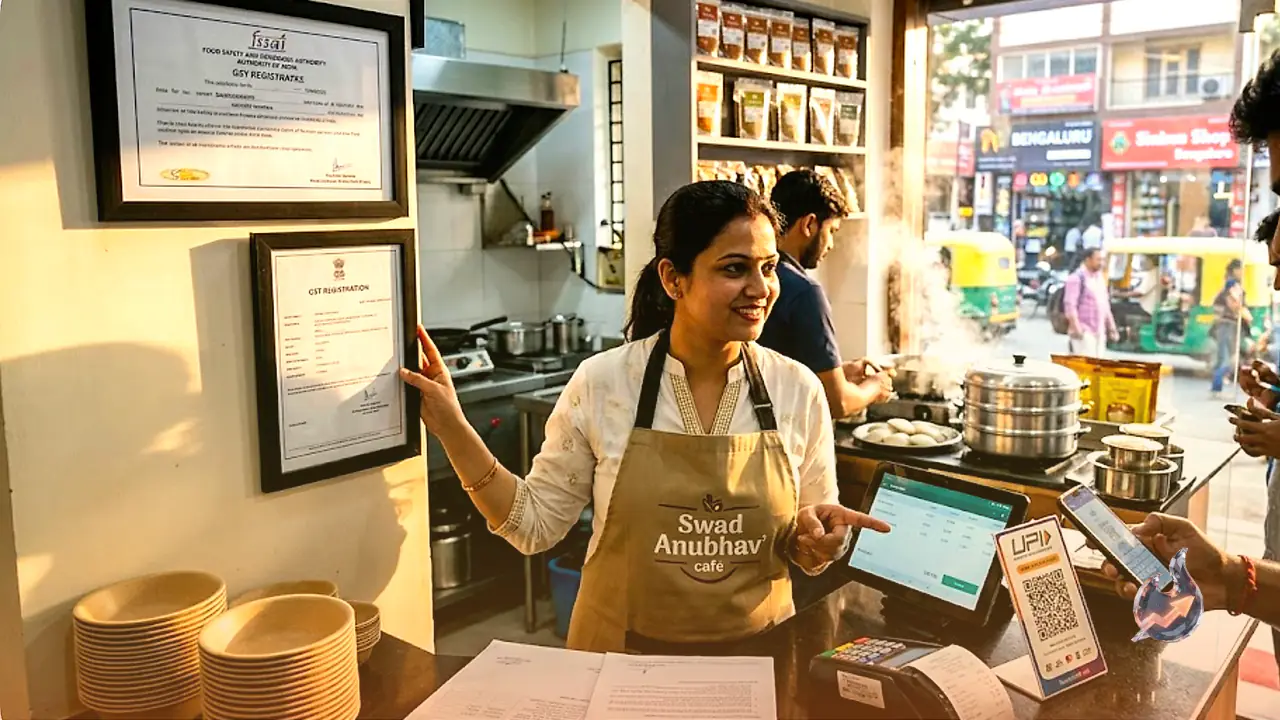
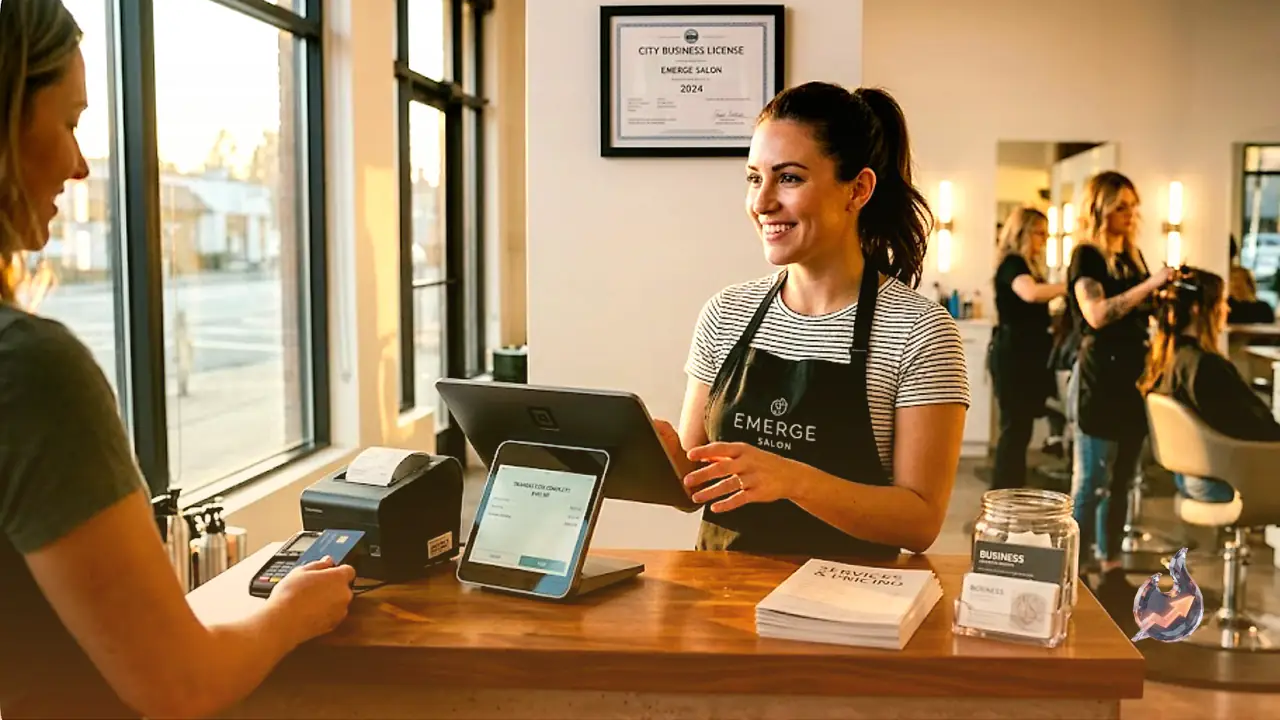
For offline setups like home salons, tiffin services or retail counters, Razorpay POS machines accept card and UPI payments instantly. It replaces the hassle of handling cash, and customers get digital receipts, which adds to your credibility as well.
Invoicing and Records That Handle Themselves
Razorpay Invoices let you send GST compliant invoices, set payment due dates and trigger automatic reminders to clients. That keeps incoming payments tracked and your records clean, particularly useful when tax filing season or business planning comes around.
Getting Paid From Outside India
If clients sit outside India, say for digital products or online services, Razorpay also works as an international payment gateway, supporting multiple currencies so going global doesn't mean a complicated setup.
The Bottom Line
Starting a side business remains one of the most practical ways to earn extra income without walking away from your current job or daily routine. Between low investment options, flexible hours and a wide range of digital tools now available, getting started has never been easier, whether you're a student, a working professional, a homemaker or a freelancer, there's very likely a side business idea in this list that fits your situation.
The real trick is starting small, staying consistent, and using the right tools to manage both time and payments properly. The idea itself can be simple, what matters far more is putting in steady effort from day one and not giving up when the first few weeks feel slow.