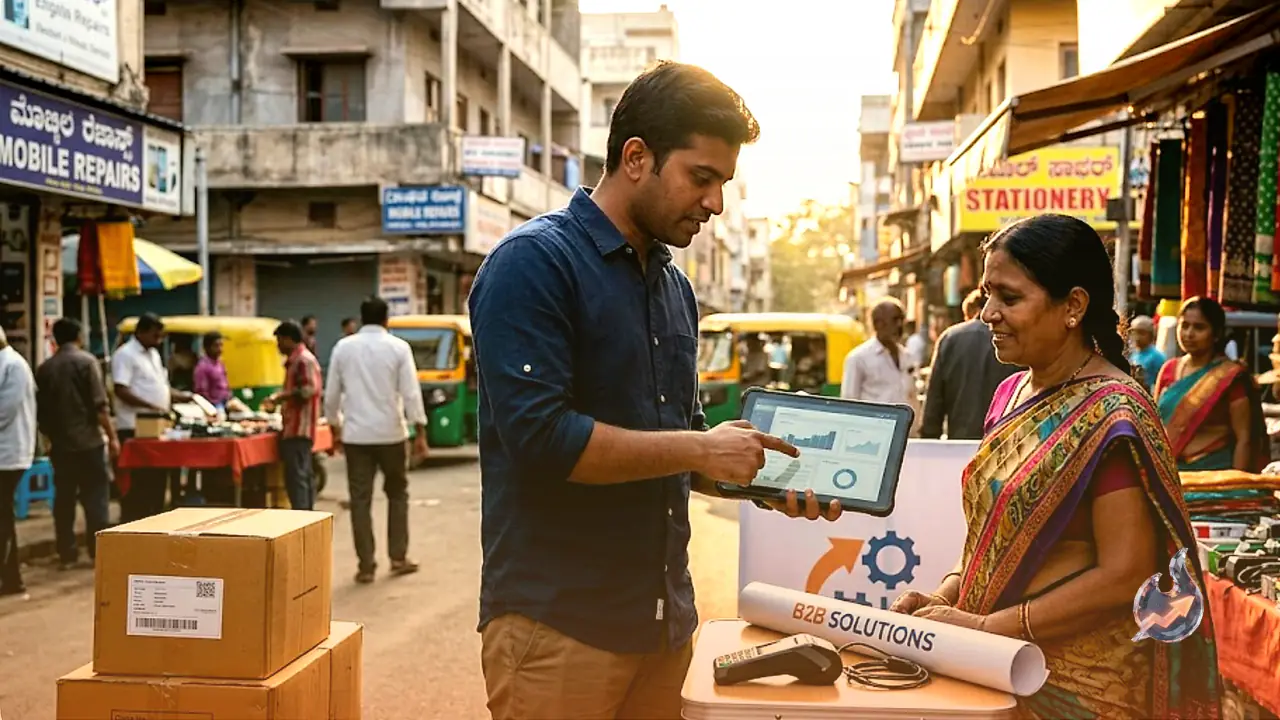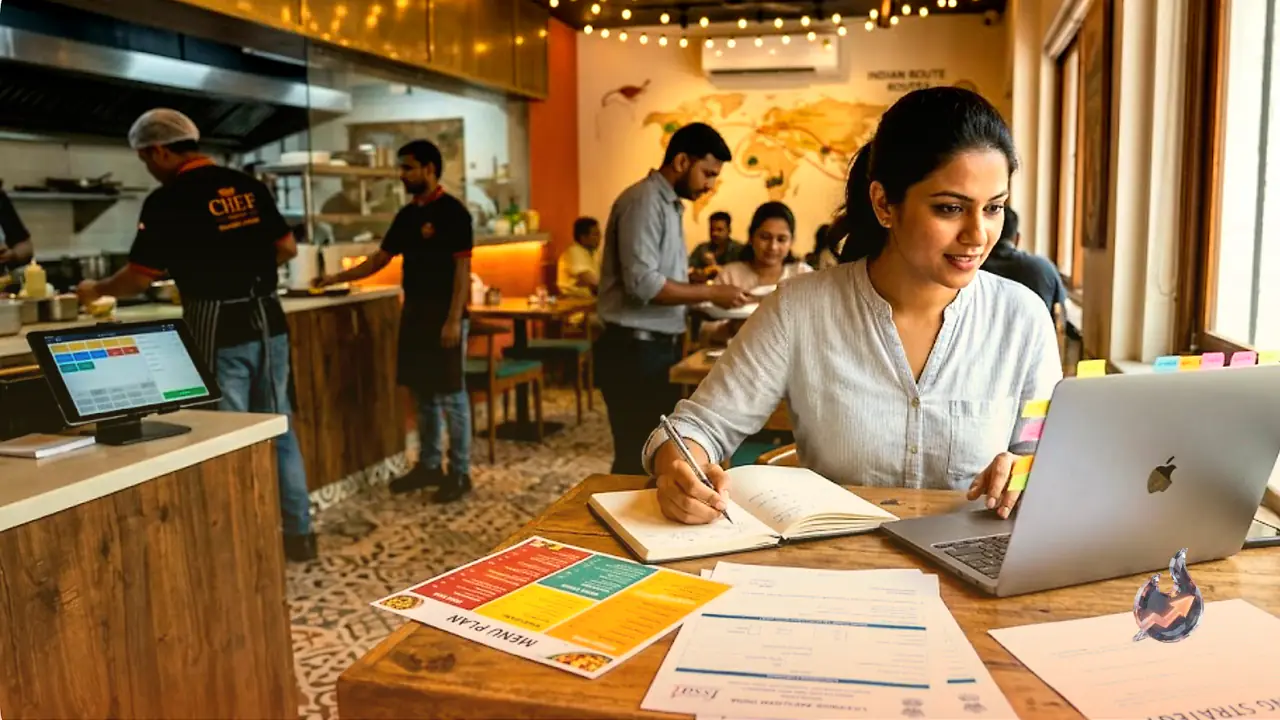






















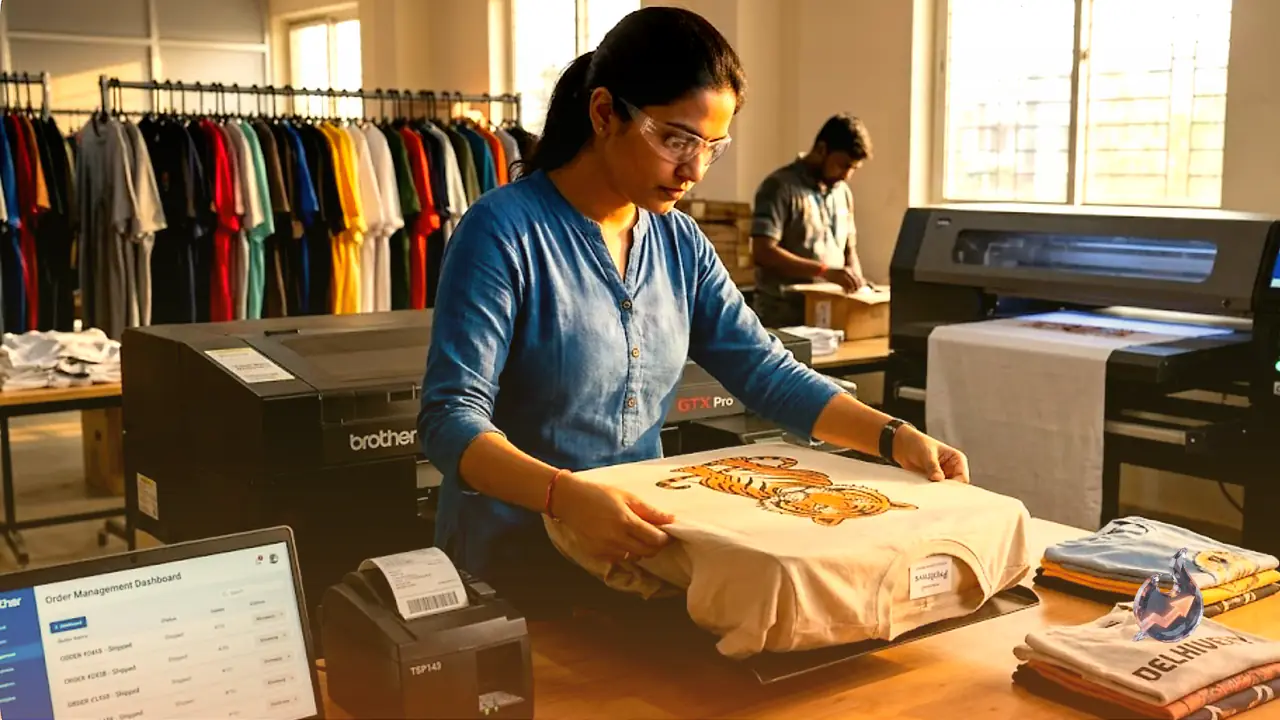

The custom apparel market is undergoing a massive transformation, with the t-shirt printing segment reaching an estimated valuation of $5.16 billion in 2024. Driven by an accelerating global appetite for self-expression, unique graphics, and hyper-personalized fashion, this sector is projected to expand at an annual growth rate of 11.5% through 2030. For aspiring e-commerce entrepreneurs, this represents a highly lucrative avenue. Modern supply chain solutions like Print-on-Demand (POD) have dramatically lowered the barriers to entry, enabling creatives to launch fully operational clothing brands with zero upfront inventory costs and minimal financial risk.
Demystifying the Online T-Shirt Business Model
An online t-shirt business operates entirely in the digital sphere, removing the heavy overhead, long leases, and regional limitations associated with physical retail stores. Instead of waiting for foot traffic, digital storefronts connect directly with consumers across the nation and the world. The operational framework is sustained by five core pillars:
- Concept Formulation and Design: Developing distinctive graphic elements, typography, or illustrations that align with the specific aesthetic preferences of a target group.
- Production and Fulfilment: Utilizing third-party partners to manufacture products dynamically. Under a POD setup, blank shirts are printed, packed, and shipped only after a verified purchase is completed.
- E-commerce Storefront Setup: Constructing a professional digital channel, either through an independent online website or a curated market platform, to host product listings and interact with shoppers.
- Secure Checkout Integrations: Implementing a payment gateway to securely manage incoming transactions via local and international payment instruments.
- Omnichannel Marketing: Driving inbound traffic through an optimized blend of search engine optimization, content marketing, structured social media campaigns, and retargeted advertising.
By leveraging this modern structural flow, new apparel brands can operate with lean expenses, test design concepts dynamically, and scale product availability without renting warehouse space.
Market Research: Micro-Niches, Demographics, and Emerging Trends
In a mature market, attempting to appeal to everyone is a recipe for low conversion rates. Finding a highly specific micro-niche is crucial for cutting through the noise. By targeting a clearly defined demographic, you can tailor your design assets, simplify keyword targeting, and establish an authentic connection with your buyers.
To pinpoint your ideal micro-niche, start with a broad consumer segment and progressively filter down. For instance, instead of targeting "sports enthusiasts," narrow your focus down to "running enthusiasts," then "trail running enthusiasts," and finally "trail runners who enjoy humorous wordplay and retro aesthetics." This precise positioning significantly lowers competition and builds brand loyalty.
Aspiring business owners can use market analysis tools to validate demand. Platforms such as Google Keyword Planner, Ahrefs, Facebook IQ Audience Insights, specialized Reddit forums, and Google Trends reveal real-time search volume, competitive intensity, and historical search patterns.
Several design and product trends are currently shaping consumer demand:
- Gen Z Aesthetics: Dominated by oversized silhouettes, Y2K nostalgia, grunge themes, and viral internet memes.
- Pop Culture and Fandoms: Focused on anime, gaming, music, and cinema, though creators must strictly avoid trademark and copyright infringements.
- Eco-Conscious Fashion: Crafted using certified organic cotton, recycled polyester, and water-based sustainable inks.
- Customization Offerings: Allowing buyers to insert names, alter colorways, or upload personal photos.
- Regional and Cultural Pride: Graphics incorporating regional languages, local idioms, and traditional art styles.
With the industry projected to sustain an 11.5% Compound Annual Growth Rate (CAGR) through 2030, profit margins remain strong. E-commerce apparel operations typically maintain net profit margins between 30% and 50% per sale, achieved by applying a 50% to 70% markup on wholesale manufacturing costs.
E-commerce vs. Brick-and-Mortar: Why Digital Commerce Wins
The operational contrasts between launching a digital storefront and managing a traditional physical shop are stark, particularly for early-stage entrepreneurs:
- Geographic Location: Traditional retail requires a fixed physical address, while e-commerce operates globally via internet access.
- Operating Hours: Physical shops are bound by local operating regulations and retail hours, while an online storefront runs 24/7 without downtime.
- Capital Requirements: Brick-and-mortar storefronts demand high upfront capital for security deposits, construction, utilities, and in-store staff. Online businesses require minimal starting costs, primarily spent on website subscriptions and marketing.
- Setup Speed: Physical stores can take months for permits, construction, and stock procurement. Digital setups with POD integrations can go live within days.
- Market Reach: Physical shops are limited to local or regional visitors, while digital portals can capture a national or international customer base.
- Inventory Risk: Traditional retail presents a high risk of dead stock, whereas POD models eliminate the risk of unsold inventory entirely.
- Scale Potential: Physical retail is limited by store size and floor space, while e-commerce scales infinitely to handle spikes in consumer traffic.
These strategic advantages make digital platforms the obvious choice for launching a lean and agile apparel brand.
Building Your Brand: Visual Identity, Designing, and Validation
A memorable brand identity helps you stand out in the competitive online apparel landscape.
Defining Your Core Vision: Write a concise business roadmap that outlines your brand's unique values. Establish a memorable brand name, a cohesive logo, an intentional color palette, and a consistent tone of voice that resonates with your targeted niche.
Developing High-Impact Designs:
- Creative Software Suites: Professional designers typically utilize Adobe Photoshop and Adobe Illustrator. Free open-source alternatives like GIMP offer robust design capabilities, while Canva serves as an intuitive web-based editor for beginners.
- Sourcing Professional Illustrators: If you do not possess design skills, you can hire experienced freelance artists on specialized portals like Dribbble or Upwork. Alternatively, pre-packaged design templates can be sourced from curated marketplaces like Creative Market.
- Core Design Principles: Prioritize crisp high-resolution exports (minimum 300 DPI), visual simplicity, printing compatibility, and balanced composition.
- Utilizing Mockup Generators: Showcase your apparel designs professionally without paying for physical photoshoots. Tools like Printful, Placeit, and Printify generate clean, realistic lifestyle product mockups instantly.
Validating Designs Before Production:
Never assume your favorite designs will sell. Gather early feedback by sharing mockups on personal social channels, relevant Reddit subreddits, and interactive social media polls. Successful brands, such as Imouri founded by Ryan McCarthy, used targeted social communities and small-budget ads to test product ideas before investing in bulk production runs.
Material Sourcing and Printing Technologies
Fabric Selection Matters: The quality of your garment directly determines your brand's return rates and long-term customer satisfaction. Familiarize yourself with common fabric choices:
- 100% Cotton: Highly breathable, soft, and ideal for everyday streetwear.
- Polyester: Lightweight, wrinkle-resistant, and perfect for athletic apparel.
- Cotton-Polyester Blends: Durable, retains shape well, and resistant to shrinking.
- Organic Cotton: Sourced sustainably without toxic chemicals, appealing to eco-conscious shoppers.
- Recycled Polyester: Crafted from repurposed plastic bottles, reducing environmental impact.
For blank garments, trusted global and domestic blank brands like Bella+Canvas and Gildan are highly recommended.
The Print-on-Demand (POD) Advantage: For bootstrapped startups, the POD model offers a low-risk gateway. By printing on demand, you can launch catalog expansions and experimental collections without committing capital to unsold boxes of physical inventory.
- No Upfront Stock: Capital is preserved for creative asset design and targeted traffic acquisition.
- Easy Scale: Production scales automatically alongside order volumes.
- Simplified Testing: Upload new designs instantly to gather live marketplace feedback.
Leading global POD engines include Printify, Printful, Teelaunch, and Gooten. These systems sync directly with modern online sales channels like Shopify, Etsy, and WooCommerce, automating the fulfillment flow.
Comparison of Textile Printing Technologies:
- Screen Printing: Best suited for large wholesale runs with simple graphics. This method delivers exceptionally vibrant, durable, and wash-resistant prints. However, it requires high setup costs and is not cost-effective for small batches or highly complex designs.
- Heat Transfer (DTF/HTV): Ideal for small batches and photographic prints. It features full-color capabilities and low setup costs. On the downside, the print can feel heavy on the fabric and may fade over extended washing cycles.
- Direct-to-Garment (DTG): Excellent for single on-demand print runs with complex, colorful art. It produces high-resolution prints with precise detail, but production times are slower and it yields the best results primarily on 100% cotton garments.
- Dye Sublimation: Tailor-made for performance athletic wear and all-over prints. The inks fuse directly into the fabric, creating a durable print with no raised texture. However, it only works on polyester fabrics or specially coated materials.
- Vinyl Printing: Great for simple vector designs like names, numbers, or athletic block letters on small orders. It offers a highly durable, textured finish, but is limited in terms of design complexity and scalability.
Setting Up Your Online Store: Legalities, Platforms, and Fulfilment
Structuring Your Business Legally:
Ensure your company is registered properly in compliance with local regulations, setting up your corporate PAN and GST accounts in India. Draft a clear business plan that maps out your corporate description, target audience, competitive analysis, marketing strategy, operations, and estimated startup costs (which typically range from ₹25,000 to ₹1,50,000 depending on your website setup and ad budget).
Choosing the Right E-commerce Platform:
- Dedicated E-commerce Store Builders: Shopify, Hostinger Website Builder, and BigCommerce offer robust, customizable frameworks for independent brands.
- Established Digital Marketplaces: Platforms like Etsy, Amazon, and eBay provide immediate access to active buyer traffic.
- Simplified Site Builders: Wix and Squarespace offer easy drag-and-drop customization.
- Open-Source Solutions: WordPress combined with WooCommerce provides unlimited customizability for tech-savvy founders.
- Printify Pop-Up Stores: Designed for influencers and creators seeking the fastest, lowest-overhead launch option.
Key Store Setup Steps:
- Secure a Short, Memorable Domain Name: Choose a name that is easy to spell, pronounce, and remember.
- Design a Mobile-Optimized Interface: Ensure clean layouts, simple navigation, and fast loading speeds across all device sizes.
- Upload High-Quality Product Media: Use professional mockup images, write compelling product descriptions, and include accurate size charts.
- Integrate a Secure Payment Gateway: Support a wide variety of payment options, ensuring full PCI compliance and secure checkout flows.
Optimizing Shipping and Fulfilment:
Decide whether to self-fulfill orders or use third-party logistics (3PL) services. POD providers handle this end-to-end, serving as specialized 3PLs for customized apparel. Clearly communicate your shipping timelines, set transparent shipping rates, and implement free shipping thresholds to increase your average order value.
Pricing Strategies for Sustainable Profitability
Setting optimal prices requires a clear understanding of your expenses and how your brand is perceived in the market.
Tracking Production Expenses:
- Fixed Expenses: Constant operational costs that do not fluctuate with sales volume (e.g., website platform subscriptions, design software licenses).
- Variable Expenses: Direct costs incurred per unit sold (e.g., wholesale blank shirt, print production, packaging materials, shipping, transaction fees).
Selecting a Pricing Model:
- Markup Pricing: Adding a flat profit margin percentage on top of your total unit production cost.
- Keystone Pricing: Simply doubling your total wholesale production or POD costs.
- Competitive Pricing: Matching or slightly undercutting the price points of direct competitors.
- Value-Based Pricing: Pricing products based on perceived value, such as premium organic materials or limited-edition designer graphics.
Use smart promotions strategically to boost sales without eroding your margins. Implement welcoming discounts, seasonal sales, product bundling, free shipping tiers, and automated abandoned cart recovery emails.
Payment Integration: Enhancing Checkout with Razorpay
A reliable checkout experience is critical for turning website visitors into paying customers. Payment gateways like Razorpay provide secure, seamless payment processing that reduces cart abandonment and simplifies financial tracking.
Seamless Integration Across Sales Channels:
- Independent E-commerce Websites: Integrate smoothly with Shopify, Hostinger, Wix, and WooCommerce. Razorpay enables Indian customers to pay via credit/debit cards (Visa, Mastercard, RuPay), UPI, net banking, and popular mobile wallets (JioMoney, Mobikwik, PhonePe) while maintaining top-tier security standards (PCI DSS Level 1 compliance and TLS/SSL encryption).
- Social Commerce (Payment Links): Generate secure payment links directly from your dashboard to close sales on Instagram, Facebook, or WhatsApp without needing a full website.
- Invoicing and Subscriptions: Create professional digital invoices for bulk corporate orders, or set up automated recurring payments for subscription box models.
Why Choose Razorpay for Your Apparel Brand:
- Frictionless Checkout: A fast, intuitive payment flow that minimizes drop-offs at checkout.
- Comprehensive Payment Options: Support for all major local and international payment methods, maximizing your reachable audience.
- Advanced Fraud Prevention: Protected by 3D Secure authentication and robust encryption protocols.
- Unified Analytical Dashboard: Access real-time insights on sales, successful settlements, and customer refunds from a single dashboard.
- Enterprise Scalability: Robust server architecture built to handle sudden traffic spikes and high transaction volumes.
Marketing: Finding and Engaging Your Target Audience
Once your storefront is live, you need a solid marketing strategy to drive traffic and sales.
Optimizing for Search Engines (SEO):
- Keyword Integration: Identify terms your target audience searches for, such as "custom t-shirts India," "graphic tees online," or regional terms like "anime t-shirts Chennai."
- On-Page SEO: Add these high-intent terms naturally into your product listings, meta tags, and image alt text.
- Backlink Building: Earn links from popular blogs, fashion portals, and news sites to boost your domain authority.
Building a Strong Social Media Presence:
- Platform Selection: Use Instagram for visual storytelling, TikTok or Reels for engaging video content, and Facebook for building community.
- Content Mix: Post high-quality product photos, behind-the-scenes production videos, and user-generated content.
- Community Engagement: Reply to comments, run interactive polls, and encourage customers to share photos wearing your apparel.
- Micro-Influencer Campaigns: Partner with micro-influencers within your niche to build trust with their loyal followers.
Create helpful content like style guides, fashion trend reports, and design inspiration articles to build authority. Drive instant traffic with targeted Google Search Ads and social media ad campaigns on Facebook and Instagram.
Maintaining Growth and Scalability
Focus on delivering exceptional customer support to build long-term brand loyalty. Collect customer feedback via post-purchase emails and reviews to identify areas for improvement. Track key performance indicators (KPIs) like visitor traffic, conversion rates, customer acquisition costs, and profit margins to make data-driven decisions.
Many successful entrepreneurs prove what is possible with the right strategy. For example, Rich Khun scaled his POD business to over $500,000 in annual revenue. Cassiy Johnson built a thriving brand using organic marketing on Etsy and Pinterest, while Lindsey Ferris built a highly profitable, niche-focused Etsy storefront. These success stories show that with creativity, smart positioning, and the right digital tools, you can build a highly profitable custom apparel brand.
Conclusion
Launching an online t-shirt business in 2026 offers immense potential for creative entrepreneurs. Success relies on finding a specific niche, creating high-quality designs, using Print-on-Demand to minimize financial risk, and building a professional online store. Integrating a secure, reliable payment gateway like Razorpay ensures a smooth checkout experience for your customers. By combining great designs with smart digital marketing and excellent customer service, you can build a highly profitable, scalable fashion brand in India.