























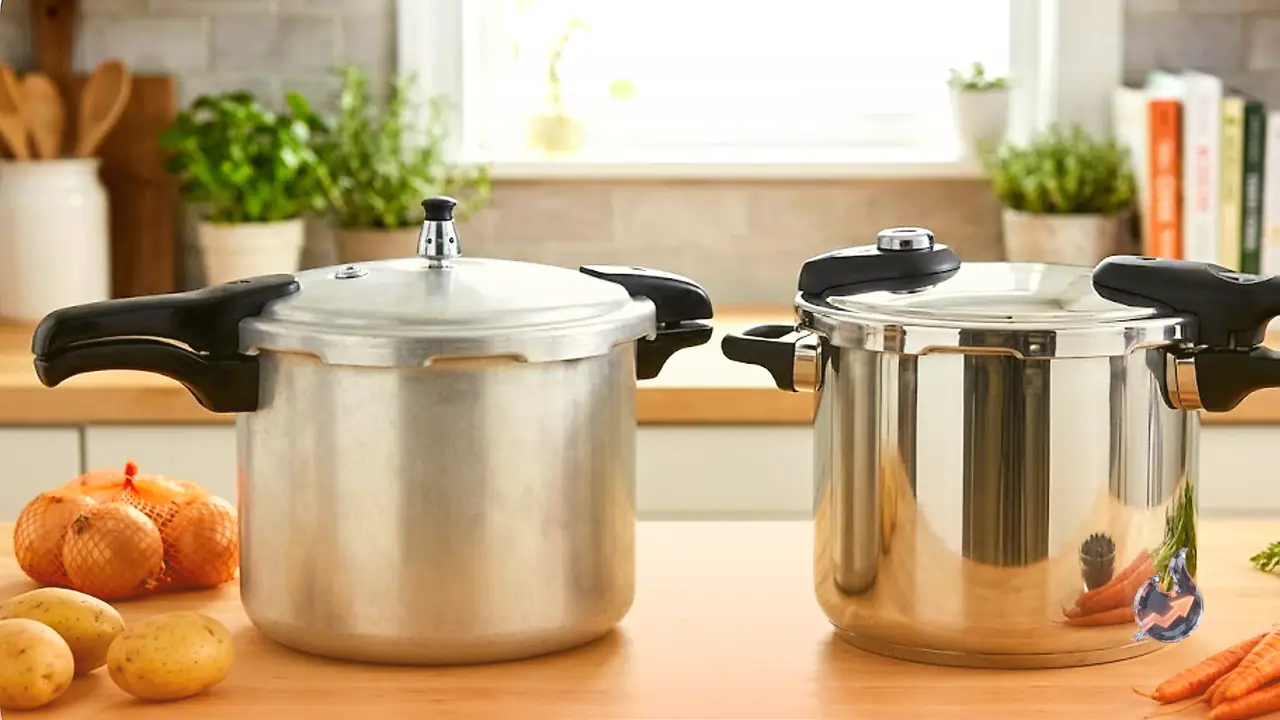

A pressure cooker is an indispensable appliance in any modern kitchen. Whether it is preparing lentils, rice, mixed vegetables, or complex non-vegetarian dishes, almost every household relies on a pressure cooker on a daily basis. However, when purchasing a new cooker, consumers often face a significant dilemma: should they go with aluminum or choose stainless steel? Both materials come with their own set of advantages, physical properties, and specific drawbacks. Understanding these differences based on your unique cooking habits and budget is crucial to making the right choice.
Advantages of Selecting Aluminum Pressure Cookers
Aluminum pressure cookers are remarkably lightweight, making them exceptionally easy to handle, lift, and clean during daily kitchen chores. Furthermore, they are generally much cheaper and more budget-friendly than their stainless steel counterparts, making them highly accessible. From a technical standpoint, aluminum is an excellent conductor of heat. It warms up rapidly when placed on the stove, which accelerates the cooking process and helps prepare meals in less time. This rapid heating ability can also contribute to lower household fuel consumption, which is why aluminum remains highly popular across many homes.
Why Stainless Steel Cookers Stand Out
On the other hand, stainless steel pressure cookers are renowned for being incredibly sturdy, durable, and completely rust-resistant. They easily withstand the test of time, and their surfaces do not scratch, dent, or stain easily, maintaining a polished appearance for years. Crucially, stainless steel is non-reactive. When cooking acidic ingredients such as tomatoes, tamarind, or vinegar, steel does not leach chemicals or alter the taste of the food. Most modern stainless steel cookers now feature a thick sandwich base (a multi-layered bottom), which ensures heat is distributed evenly across the cooking surface and prevents food from scorching or sticking.
Making the Right Choice for Your Cooking Needs
If you are on a tight budget and require a lightweight utility pot that heats up swiftly, a high-quality aluminum pressure cooker can be an appropriate selection. Conversely, if you prioritize longevity, premium safety, and chemical neutrality to ensure your meals remain perfectly healthy, investing in a robust stainless steel cooker is highly recommended, as it offers far greater value over time.
Crucial Buying and Safety Guidelines
- Always purchase pressure cookers that are ISI certified or belong to reputable, trusted brands.
- Choose the appropriate capacity measured in liters according to your family size and meal portions.
- Opt for a model that is fully compatible with your specific cooktop, whether it is a standard gas stove or an induction cooktop.
- Ensure that critical safety components such as the rubber gasket, safety valve, and handles are made from superior quality materials.
- Clean the cooker thoroughly after every use and perform periodic safety checks on all venting parts.