


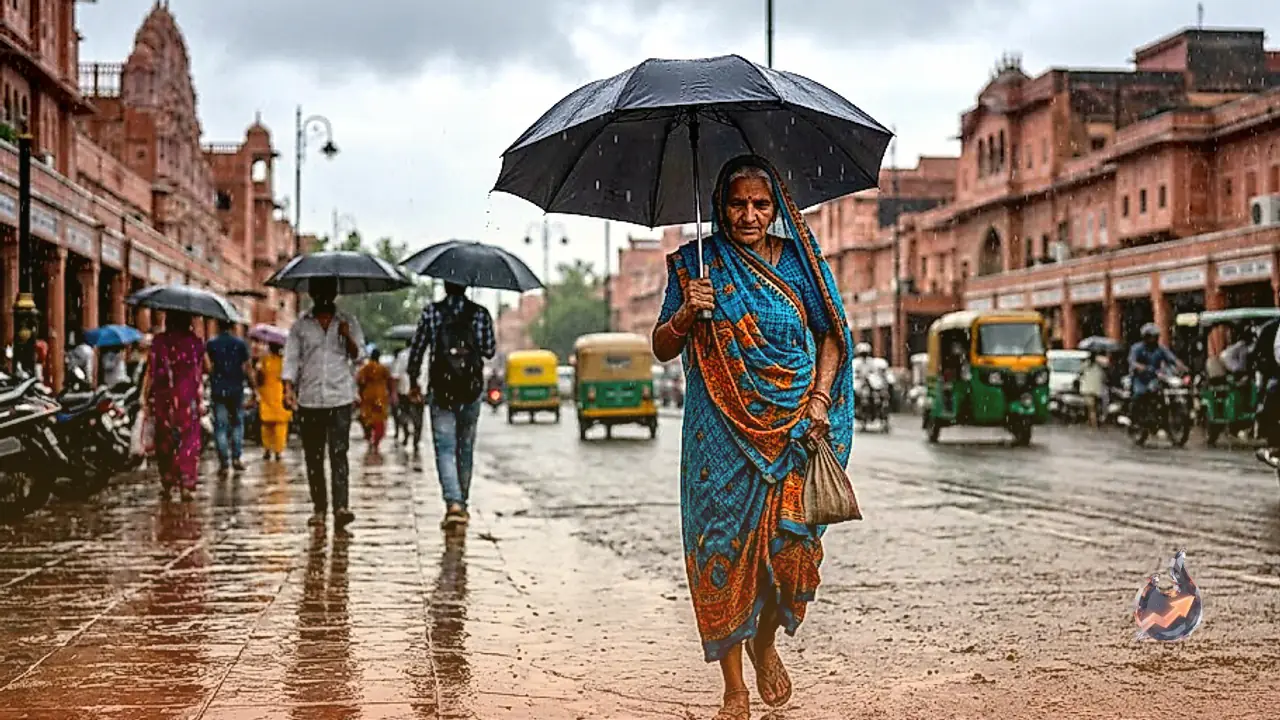



















With the arrival of July, the monsoon has finally set in, bringing much-needed relief from the oppressive summer heat. However, along with the pleasant weather, this seasonal transition has brought new health challenges for many. Alongside the rise in seasonal fevers and fungal infections, hair fall has emerged as a major concern. Interestingly, this issue is not confined to any single demographic; both men and women are increasingly visiting hospitals to seek professional treatment for their thinning hair, making scalp care a top priority this season.
Surge in Patients at the Civil Hospital
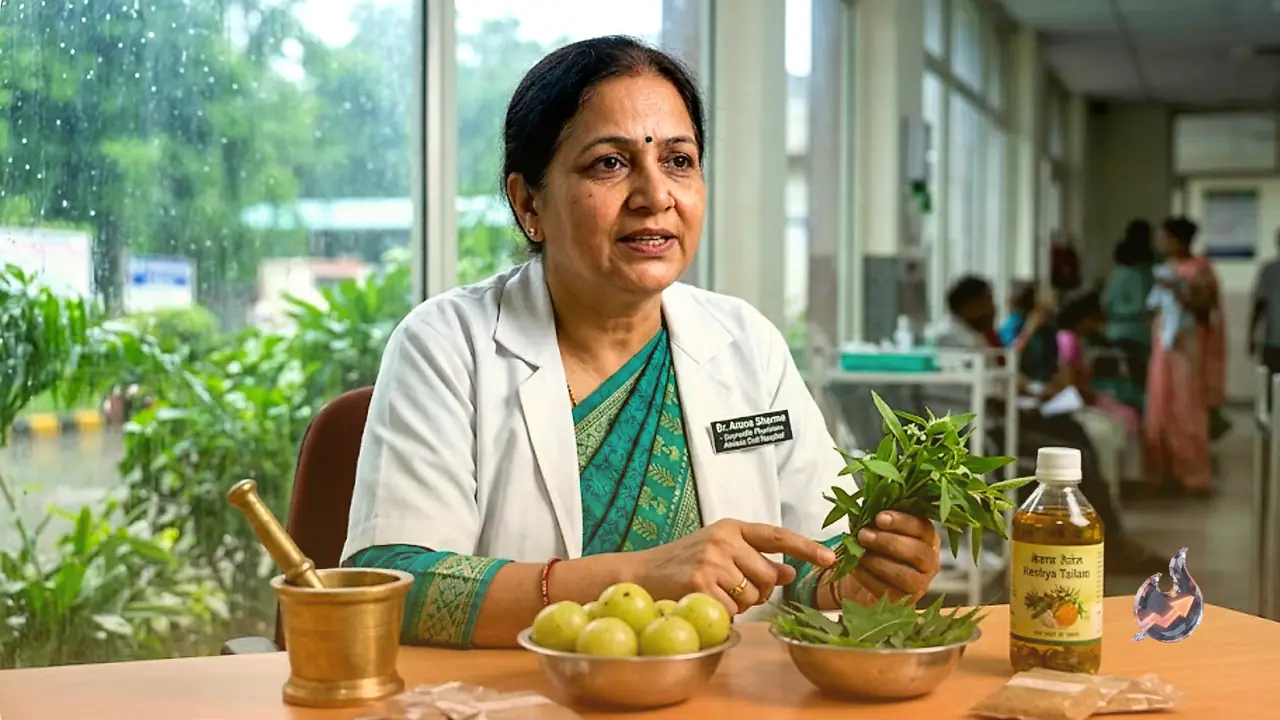
The Ayurvedic outpatient department (OPD) at the Ambala Cantt Civil Hospital is witnessing a heavy rush of patients struggling with hair issues. According to medical statistics, about 10 to 12 patients visit this OPD daily specifically for hair-related consultations and treatments. Doctors explain that the sudden shift in weather conditions combined with excess moisture in the air is adversely affecting the scalp, leading to this sharp increase in patient visits.
Why Monsoon Weakens Hair Roots
Ayurvedic practitioners explain that humidity levels rise significantly during the monsoon season. This moisture creates an ideal breeding ground for fungal infections on the scalp. If these infections are not addressed in a timely manner, they gradually weaken the hair follicles. Once the roots are compromised, hair begins to break easily and fall out in large amounts, turning into a severe hair loss problem.
Dr. Jitendra Verma, an Ayurvedic physician at the Ambala Cantt Civil Hospital, detailed the root causes of this issue. He explained that a dry and rough layer often forms on the scalp during the final weeks of summer. Most people dismiss this initial dryness and mild itching as a trivial issue. However, ignoring this stage proves costly, as the crust weakens the roots from within, and the hair begins to fall out rapidly once the humid rainy season starts.
The Importance of Dietary Modifications
Dr. Verma emphasized that hair fall cannot be cured solely by applying topical oils. Making positive adjustments to one's diet and daily lifestyle is absolutely crucial. During this season, individuals should avoid foods made of refined flour (maida), gram flour (besan), extremely sour food items, spicy dishes, and excessive consumption of rice. These foods can cause imbalances in the body, leading to weak hair.
Instead, the daily diet should include green leafy vegetables, fresh seasonal fruits, and balanced, protein-rich meals. This nutritious diet provides essential nourishment to the hair roots from within, helping them stay strong. External treatments can only do so much if the body is not receiving the right nutrition internally.
Hair Loss as a Sign of Hidden Ailments
Furthermore, persistent and heavy hair fall should not be written off as just a seasonal reaction. According to Dr. Jitendra Verma, excessive hair loss can sometimes be an external symptom of an underlying medical condition. Deficiencies in Vitamin E, thyroid imbalances, or severe nutritional deficiencies are often the primary culprits behind weak hair. Therefore, instead of self-medicating or relying entirely on home remedies without proper diagnosis, consulting a specialist is the safest approach.
Effective Solutions Offered in Ayurveda
In Ayurveda, the treatment of hair fall begins with a thorough examination of the patient's condition to address the root cause of the problem. Dr. Verma stated that oils prepared from natural herbs such as Bhringraj, Triphala, Amla, Ashwagandha, and Jasmine are highly beneficial for hair health. Additionally, sesame oil and coconut oil help provide deep nourishment to the scalp.
For specific or chronic cases, Ayurvedic practitioners recommend Nasya therapy. This specialized treatment involves administering drops of medicated oil through the nasal passage. This allows the healing properties of the oil to directly reach the head and upper body, yielding excellent results in a relatively short period.
Affordable Healthcare at Just 5 Rupees
Dr. Verma also offered another valuable health tip, advising people to avoid drinking ice-cold water from the refrigerator. Instead, they should drink water naturally cooled in an earthen clay pot, which supports healthy digestion and indirectly benefits hair health.
He noted that the Ayurvedic OPD at the Ambala Cantt Civil Hospital provides highly accessible and affordable care. By purchasing a simple OPD ticket for just 5 rupees, patients can get their hair examined, receive expert advice from specialists, and get necessary Ayurvedic medicines free of cost. With timely treatment, a balanced diet, and regular care, one can keep their hair healthy and protected even during the monsoon.