
Walk through the streets of Japan at night and you will often spot people with a can of beer or a glass of liquor in hand. Someone might be sipping a drink beside a parked car on the roadside, another on a park bench. Do the same in India or many other countries and you could be fined or even land in a police lockup. In Japan, however, it is perfectly legal. There is simply no ban on drinking in public places here.
What makes it even more striking is that you can buy alcohol around the clock from any convenience store and enjoy it in a park, on a roadside bench, or even while walking around.
Manners Matter More Than the Law
The real story of Japan is that social rules run stronger than written laws. Alcohol is not viewed as a moral evil here; instead, it is seen as a way to build relationships and unwind from stress. That is precisely why public intoxication is common, and most people drink with restraint and a sense of responsibility.
But legal does not mean a free pass. Etiquette is essential. Talking loudly, making noise, or littering is considered deeply rude. If you drink outdoors, you are expected to do so quietly and responsibly. Keep in mind that the moment someone causes a ruckus or trouble, it stops being a social matter and becomes a legal one. In short, sip your drink calmly with light conversation and no one will bother you.
One specific rule applies to trains. Drinking inside local trains is usually forbidden, but on the bullet train it is allowed.
Embarrassment Is the Real Punishment
Thanks to Japan's low crime rate and high social discipline, the police rarely need strict rules. People keep themselves in check, and embarrassment alone does the work of punishment. Foreign tourists may find this arrangement odd, but it is the norm here. Notably, the legal drinking age for young people in Japan is 20 years.
As for women, public drinking was once a taboo for them, but it is now common. They enjoy a drink either alone or with friends.
Cherry Blossom Season and Day-Long Drinking
This freedom peaks in spring, especially when the cherry blossoms are in bloom. Millions of people spread blue sheets under the trees in parks and drink from morning until night. To grab a good spot, they arrive early in the day, and the crowd ranges from college students all the way to CEOs. Thousands gather beneath the trees, and you can see them drinking everything from vodka to scotch. That said, many end up in hospital because of excessive drinking.
Drunks Asleep on the Street, Yet Nobody Disturbs Them
After a heavy night of drinking, people often fall asleep right on the road, at a station, or in a park. What is fascinating is that no one disturbs them. Passers-by sometimes even place a water bottle beside them so they can drink when they wake. Police or station staff gently rouse them and send them home. If a drunk person has caused no scene, everything is forgotten by the next day.
Not Just Intoxication, but a Bond Called 'Nomunication'
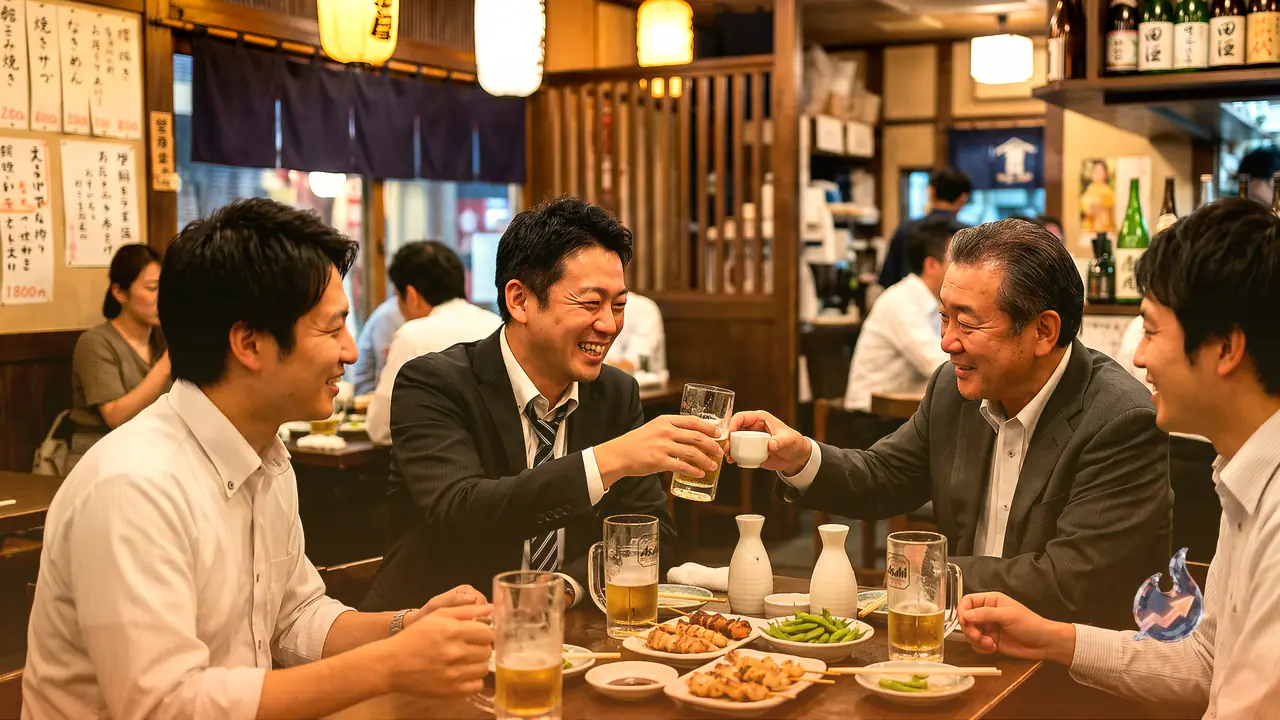
Japan's drinking culture is truly unique and is woven deeply into both social and working life. Here alcohol is not merely about getting drunk; it is a medium for forming relationships, easing tension, and having conversations. This very idea is called “nomunication.”
Drinking With the Boss Means Loyalty
This is the biggest part of Japan's corporate culture. After office hours, colleagues and the boss head together to an izakaya, the Japanese pub. By doing so they loosen the workplace hierarchy a little, speak openly, and build team spirit. Drinking with the boss is treated as a symbol of loyalty, and turning down such an invitation is difficult. The younger generation, however, is now beginning to challenge this tradition. These parties run long, with a “second party” after the main one and sometimes even a third.
Our Chakhna, Their Izakaya
What we in India call chakhna, the snacks eaten alongside drinks, takes the form of izakaya in Japan, where small dishes are served together with alcohol. One distinctive custom is that people do not fill their own glass but pour for others. For the toast, they say “Kanpai!”, whereas back home people usually toast with a simple cheers.
The Looming Health Risk
This culture has a darker side too. Excessive drinking in Japan is fuelling rising health problems. Troubles such as liver damage and alcohol dependence are coming to the surface. The rate of harmful drinking among young men is higher than the global average. The reassuring part, however, is that the new generation is now cutting back on it.