























In kitchens across the world, aluminum foil is a staple item found in nearly every household. Its applications are vast, ranging from packing lunches and keeping food warm to assisting in baking tasks and storing leftovers efficiently. Despite its daily use, many people remain confused about which side of the foil should face outward or inward. While some believe it is designed for heat management, the reality behind the shiny and dull sides is rooted in the manufacturing process rather than functional intent.
The reason behind the dual texture
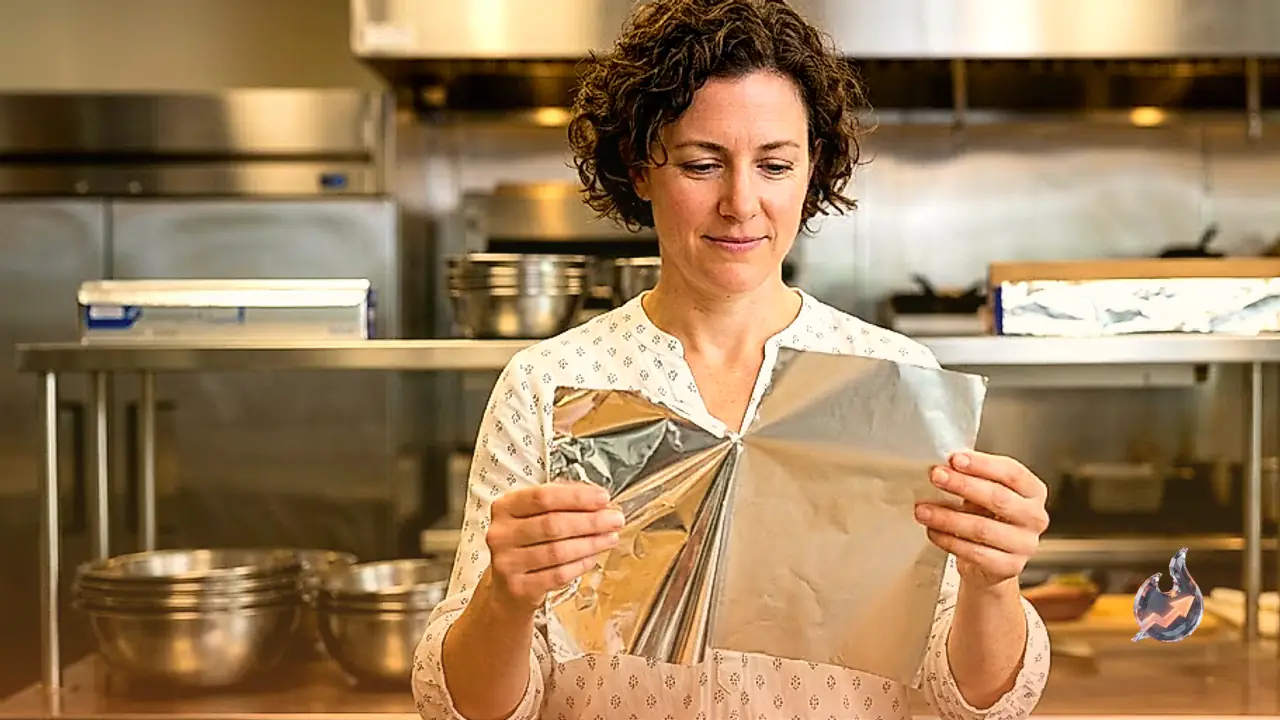
The variation in appearance is a direct result of how the foil is processed. During production, manufacturers start with massive aluminum blocks that are passed through rollers multiple times to create thin, flexible sheets. To ensure the foil does not rip during this high-pressure process, two layers are rolled simultaneously. The surface that comes into direct contact with the steel rollers is smoothed and becomes shiny, while the side that remains against the other layer of foil retains a matte or dull finish.
Does the orientation affect cooking?
For standard aluminum foil, the orientation does not significantly alter performance; both sides work equally well for keeping food warm or covering containers. However, there is an exception when using non-stick aluminum foil. In this specific case, the side treated with the non-stick coating must face the food to ensure it does not adhere to the surface. While there is a common belief that the shiny side reflects heat better, the difference is negligible for typical home cooking. Most restaurants and food establishments simply place the shiny side outward for aesthetic presentation.
Safety precautions for daily use
Correct usage of aluminum foil is essential for kitchen safety. One critical warning is to never place aluminum foil inside a microwave, as it can cause electrical arcing, potentially leading to fires. Furthermore, avoid wrapping highly acidic foods such as tomatoes, lemons, or vinegar-based dishes in foil for extended periods. Acidic substances can react with the aluminum, which is undesirable. Finally, always maintain hygiene by avoiding the reuse of torn or crumpled foil, as keeping the material fresh ensures that your food remains safe and uncontaminated.