























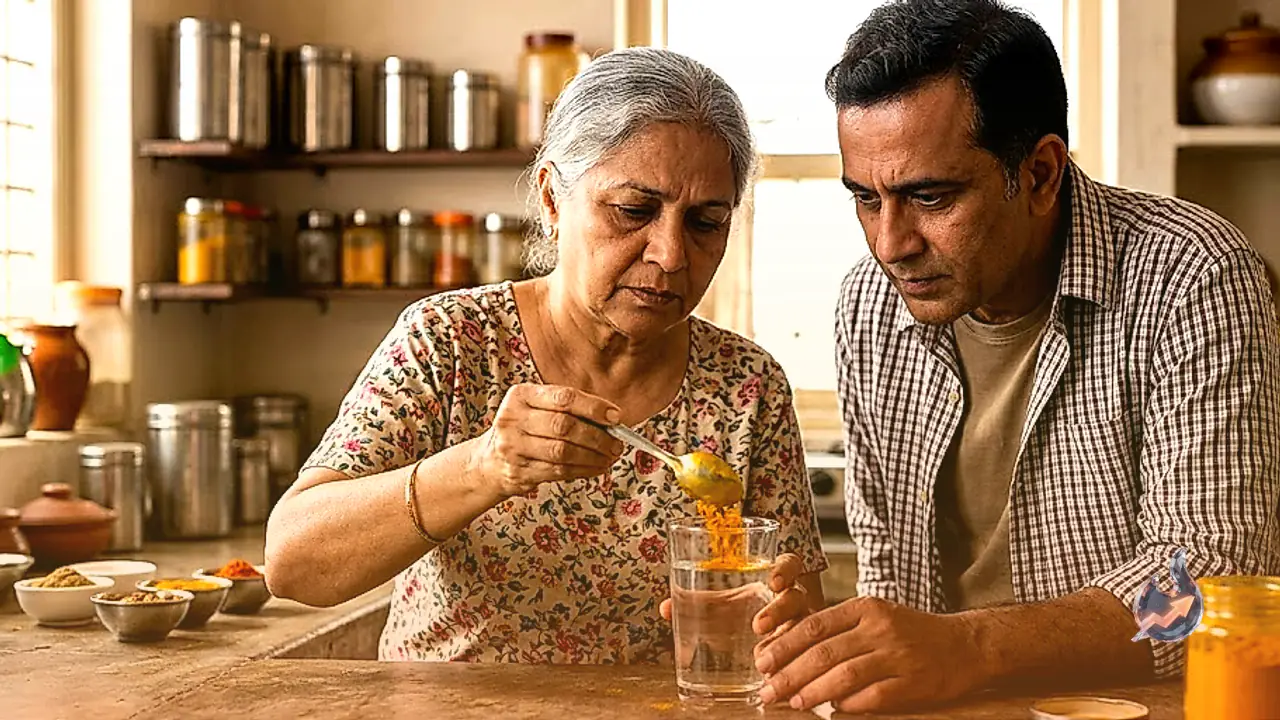

In Indian households, turmeric is used not only to provide a vibrant color and distinctive flavor to dishes but is also viewed as a potent medicinal ingredient. From lentils to various vegetables and traditional delicacies, it is difficult to imagine an Indian meal without turmeric. Due to its health-promoting properties, it has been used for centuries as a home remedy to reduce inflammation, heal wounds, care for skin, and treat common ailments like colds and coughs. This essential part of the kitchen remains an integral component of our daily routines.
The Growing Danger of Adulterated Turmeric
Adulteration in food products sold in the market has become a serious issue. In a race for higher profits, some vendors add dangerous chemicals and impurities to spices like turmeric. Such adulterated turmeric not only lowers the nutritional value of the meal but can also have long-term adverse effects on the body's organs. Therefore, assuming that turmeric is pure just by looking at its bright yellow color can be a significant mistake.
Verify Purity Using Water
The most effective and simplest method to verify the purity of turmeric is the water-based test. Take a glass of lukewarm water and add one teaspoon of turmeric powder to it. Do not stir it with a spoon; instead, let the powder settle on its own. If the turmeric is pure, it will settle at the bottom very slowly, and the water will maintain a light yellow hue. If the powder sinks rapidly and the water turns a deep yellow or orange, it is a clear indication that artificial colors or other substances have been added.
Check Through Touch and Texture
You can also test the quality of turmeric with the help of your fingertips. Place a small amount of turmeric powder on your palm and rub it with your fingers. Pure turmeric feels extremely soft and smooth to the touch. If you feel any grittiness or small granules while rubbing, there is a high possibility that it contains adulterants like chalk powder, yellow clay, or sand.
Chemical Testing via Hydrochloric Acid
Among the harmful chemicals added to turmeric, 'Metanil Yellow' is the most dangerous. To identify it, take a small amount of turmeric in a test tube and add a few drops of hydrochloric acid to it. Observe the color of the mixture. If the color of the turmeric changes to pink, violet, or deep magenta, it is definitely adulterated. Pure turmeric does not show any such drastic color change when exposed to this acid.