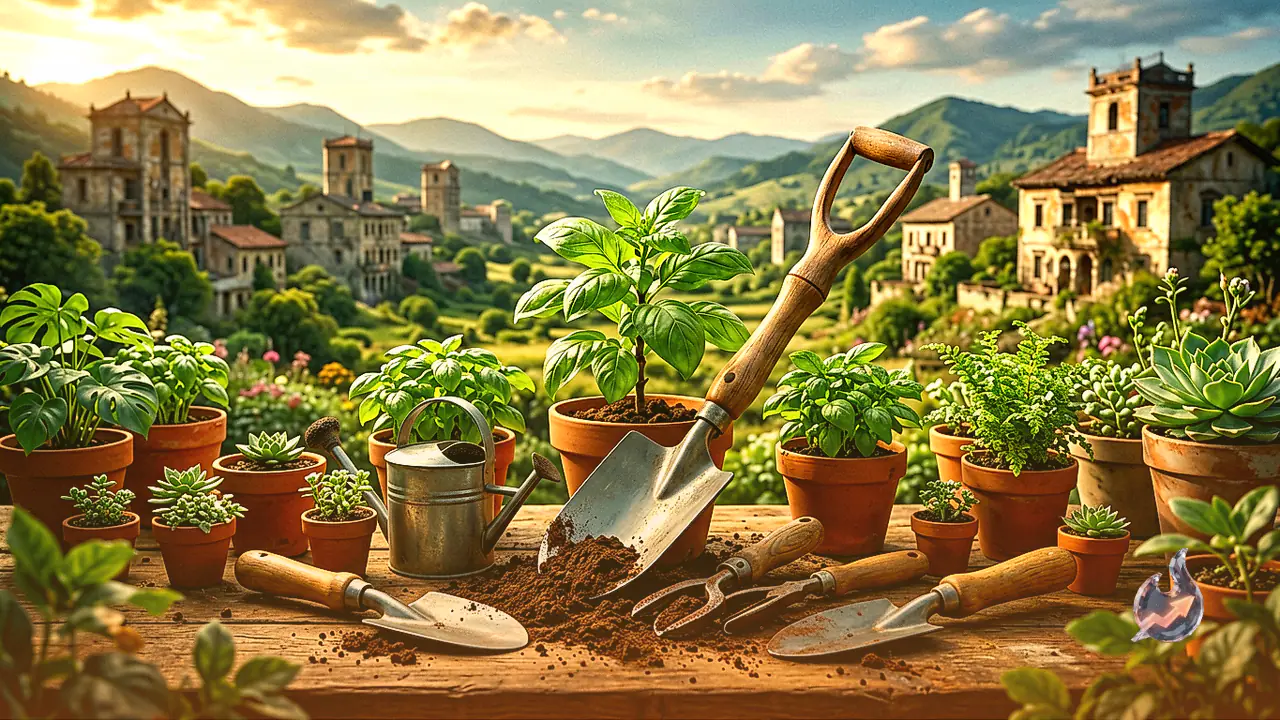























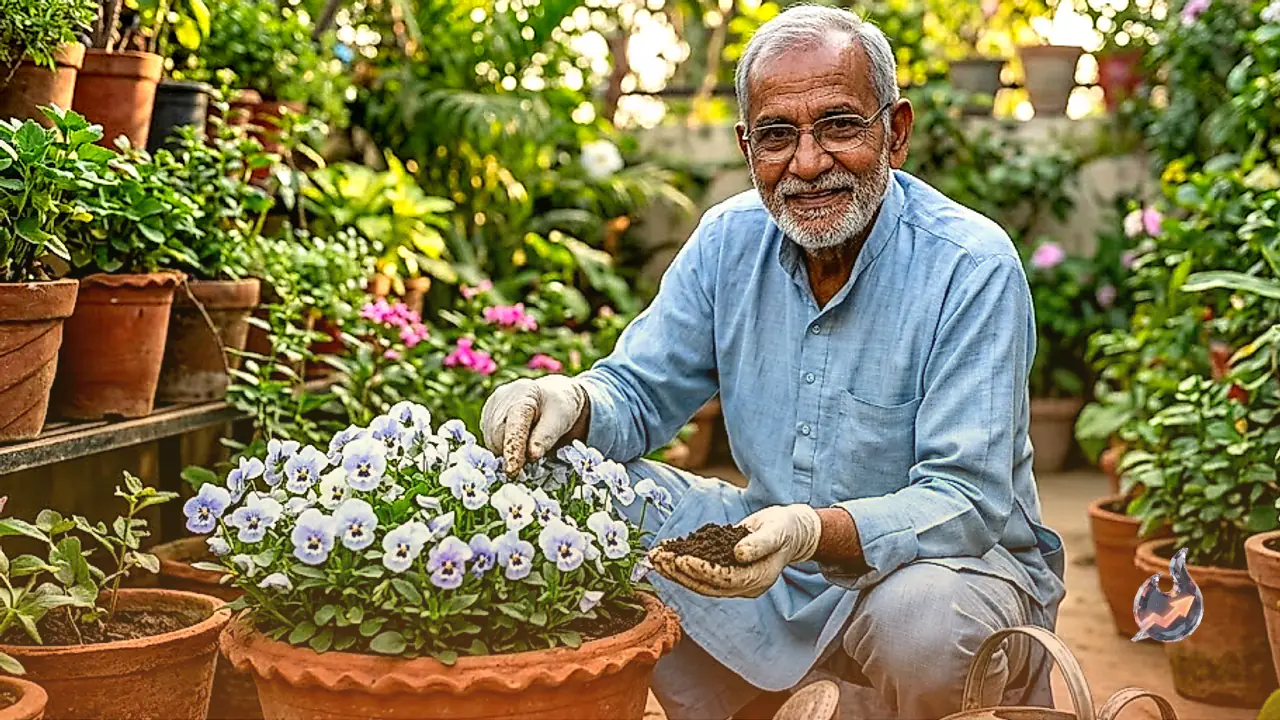

Vibrant flowers in a balcony, terrace, or backyard can brighten anyone's mood. Plants like Mogra, Rose, Jasmine, Bela, Harsingar, and Chandni are staples in most households. However, a common grievance among plant lovers is that plants purchased from nurseries often stop flowering after a short period or gradually wither away. While many attribute this to changing seasons, the real culprit is usually a lack of proper care, imbalanced watering, and insufficient nutrition. Providing water daily is not enough to keep these plants thriving.
The Real Reason Behind Poor Blooming
Bachchu Singh, a gardener from Kota with 50 years of experience, explains that flowering plants like Mogra, Bela, Jasmine, Chandni, Harsingar, Madhukamini, and Roses require consistent nourishment to bloom properly. A common mistake people make is watering their plants religiously while completely neglecting to fertilize them on time. He points out that regular monthly fertilization ensures that plants remain healthy and produce a high volume of flowers. When nutrition is lacking, plants may appear green but struggle to produce buds or flowers altogether.
The Risks of Overwatering
According to Bachchu Singh, one of the biggest reasons for plant decay is overwatering. Many enthusiasts, in an effort to keep their plants green, drench them daily, which leads to root rot. At the same time, severe under-watering is equally detrimental. He emphasizes that special care must be taken during the monsoon season. It is advisable to fill pots completely with soil to ensure that excess rainwater drains out easily rather than getting trapped. This prevents waterlogging, protecting the roots from damage.
Using DAP and Vermicompost for Best Results
When it comes to fertilization, Bachchu Singh recommends using DAP (Di-Ammonium Phosphate) and vermicompost (earthworm compost) as excellent options for garden plants. In addition to these, high-quality organic fertilizers can also be used. Providing a balanced amount of fertilizer at regular intervals significantly boosts plant growth and increases the quantity of flowers.
Precautions for Homemade Compost
He cautions that homemade fertilizer, created from cow dung or kitchen organic waste, should never be added directly to pots. Such compost contains hot gases like methane, which can harm or even burn the roots of the plants. Bachchu Singh advises that any homemade organic fertilizer should be dried thoroughly in the sun or open air for at least two to three days before use. This process allows harmful gases to escape, making the fertilizer completely safe for the plants.
Consistent Care for Year-Round Blooms
Bachchu Singh concludes that if plants receive timely nutrition, balanced irrigation, and care tailored to the weather, they remain healthy for much longer and flower continuously. By paying attention to these simple details and maintaining a consistent routine, anyone can keep their small home garden fragrant and filled with colorful flowers throughout the year.