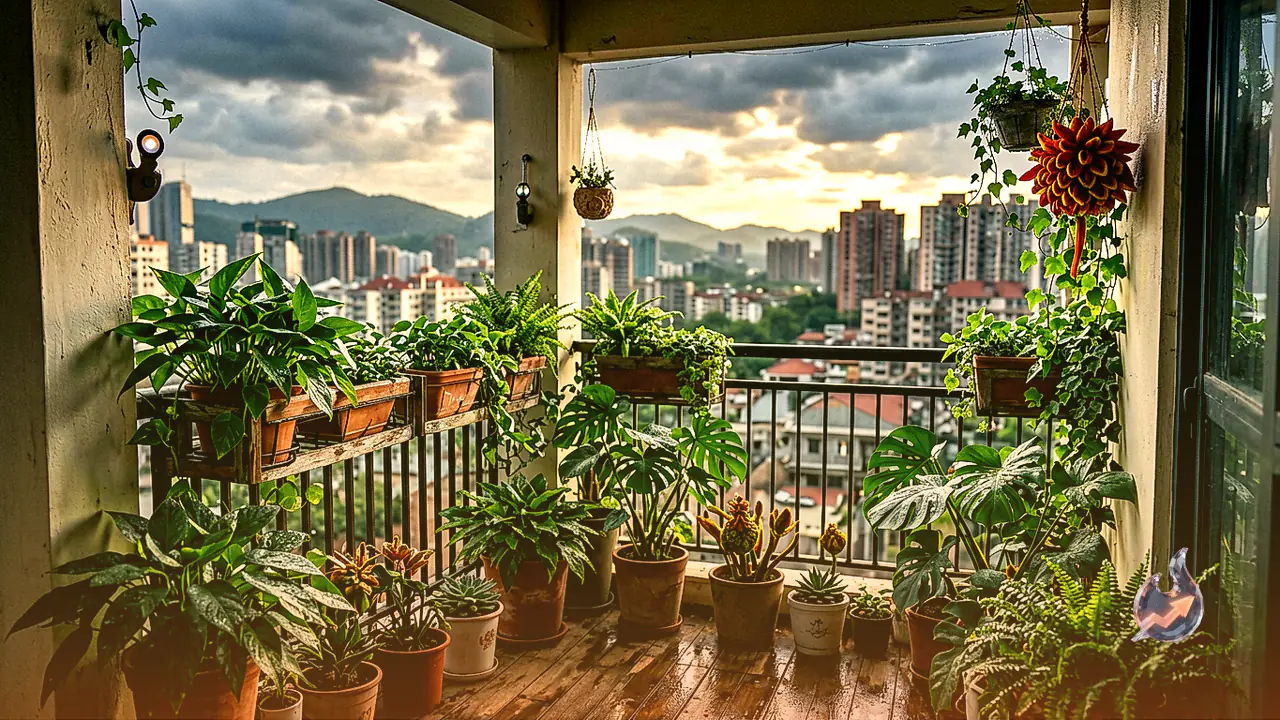























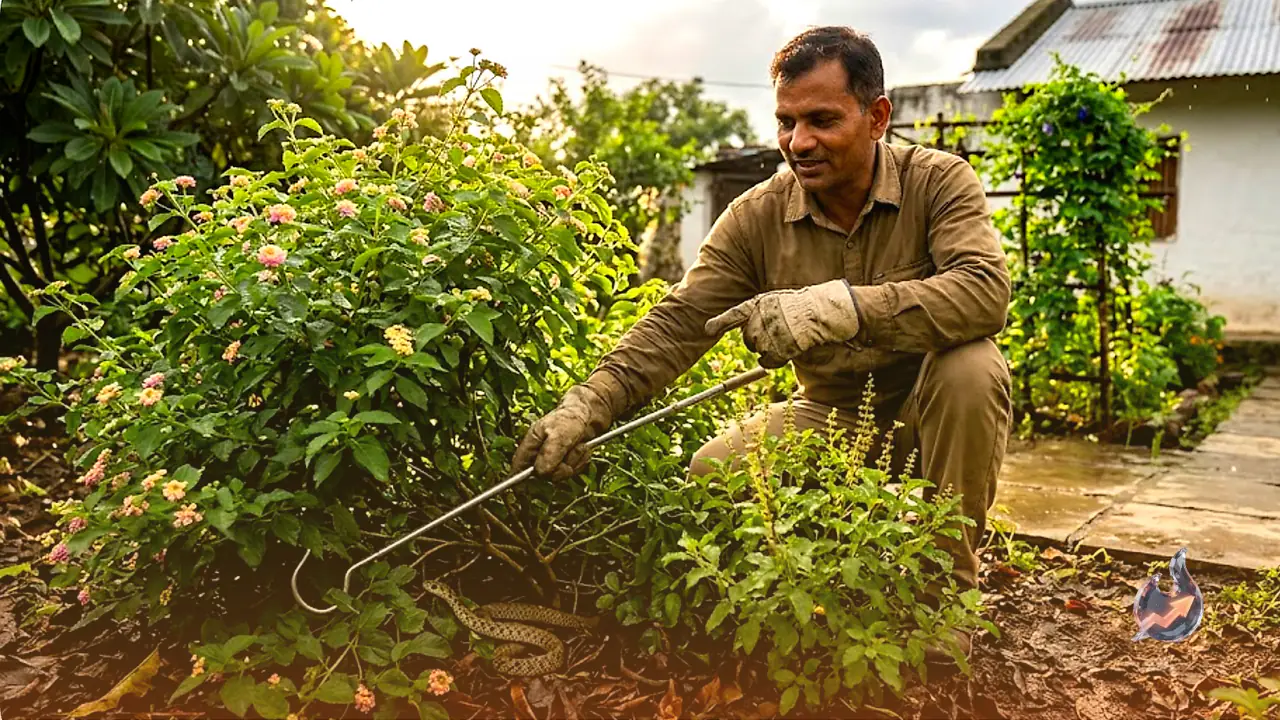

Snakebite cases spike almost every year the moment the monsoon sets in. Snakes that usually stay hidden in fields, empty plots and bushes head straight for residential colonies once rainwater floods their natural burrows. But there is another reason serpents end up right outside your door this season, and it has nothing to do with the weather alone. Certain plants that people grow purely for their looks turn into the perfect hideout for snakes once the rains arrive.
Why snakes are drawn to dense plants in the first place
A snake catcher based in Khargone, Mahadev Patel, says many households plant all kinds of greenery to make their homes look attractive, without realising that the same plants can quietly invite snakes in once it starts raining. Dense foliage traps moisture and stays cool underneath, giving snakes exactly the kind of sheltered spot they look for. Fallen leaves, broken twigs and overgrown grass pile up under such plants, creating conditions where insects, frogs and rats start to gather, and it is this small prey that eventually draws snakes to the spot.
Even a tulsi plant can turn risky
Tulsi, or holy basil, is present in almost every household and is valued for both religious and medicinal reasons. But Patel warns that if a tulsi plant is allowed to grow overly bushy, if grass sprouts around its base, or if the soil beneath it stays perpetually damp, small creatures and insects start collecting there, raising the odds of a snake showing up. He suggests keeping the tulsi plant in a clean, open spot, clearing away any grass or debris around it regularly, and making sure water never pools near its base.
Lantana's thick bushes create a hiding ground
Lantana, with its colourful clusters of flowers, is a favourite for its looks, but experts point out that it spreads into extremely dense bushes. Moisture stays locked inside the shrub and the ground beneath it remains almost completely covered, making it an easy hideout for snakes. If lantana grows along a boundary wall, gate or garden edge, it needs regular trimming and cleaning. If it has already spread too far, removing it altogether is considered the safer option.
Champa's drooping branches offer easy cover
The fragrant champa, or plumeria, is a popular choice in many gardens, but its low, drooping branches and thick leaves often create sheltered pockets where a snake can comfortably hide. If a champa plant stands near the main entrance, a window, the courtyard or an area where children play, it should be pruned regularly, and dry leaves or litter should never be allowed to pile up beneath it.
Lemon plants hide snakes among their thorns
Lemon plants are also common in home gardens. They carry thorns and grow such dense branches that the ground underneath stays fully covered. According to Patel, if grass, dry leaves or discarded items are left lying around a lemon plant, snakes can easily slip in and hide there. He advises trimming lemon plants periodically, keeping the soil beneath them clean, and avoiding clutter such as bricks, wood, old boxes or broken pots nearby.
Aparajita vines can turn into a thick shelter
The aparajita, or butterfly pea vine, spreads rapidly, and once it is allowed to climb a wall, a trellis or a gate, it grows extremely dense. Such thick vines significantly raise the chances of a snake hiding within them, especially during the rains. If this vine grows near an entry point, a window or a sitting area, regular trimming becomes essential. Patel's advice is simple, never let the vine grow so wild that it turns into a full blown bush.
It isn't just the plants, the surroundings matter too
Patel points out that it is not only the plants themselves but the overall condition of the surroundings that attracts snakes. If the grass around a house has grown too tall, if moisture keeps collecting near a drain, if garbage has piled up, or if old discarded items lie scattered about, the risk climbs further. That is why cleanliness around the house and garden deserves special attention during the monsoon. Trim plants regularly, do not let bushes overgrow, prevent water from stagnating anywhere, and keep children away from areas with thick greenery or dense shrubs.