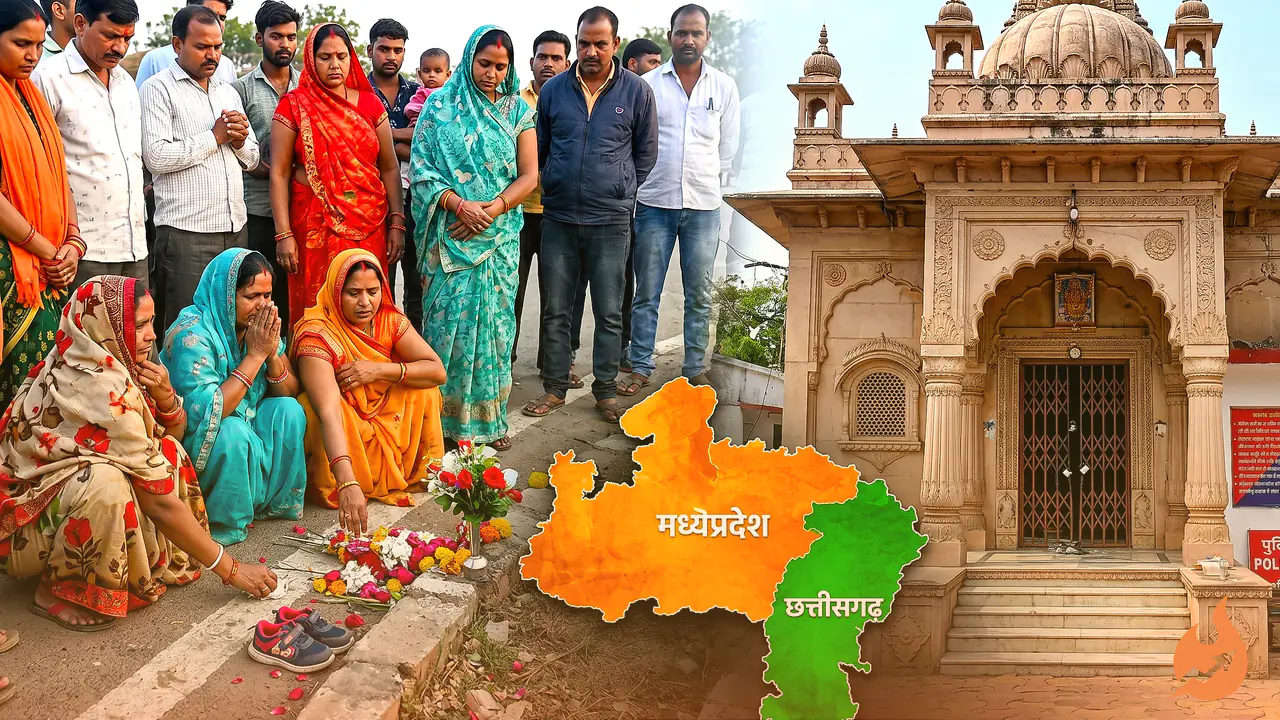

For nearly 35 years, the so called red terror gripped not just Balaghat but several parts of the country. Today, that chapter is almost over. In Balaghat, Naxalism now survives only as tales of a bygone era, and with its end has come a fresh wave of hope for development. A striking example of this change has emerged from Balaghat in Madhya Pradesh, where a river that once stood for fear has become the link binding three states together.
A border district and the Naxal foothold
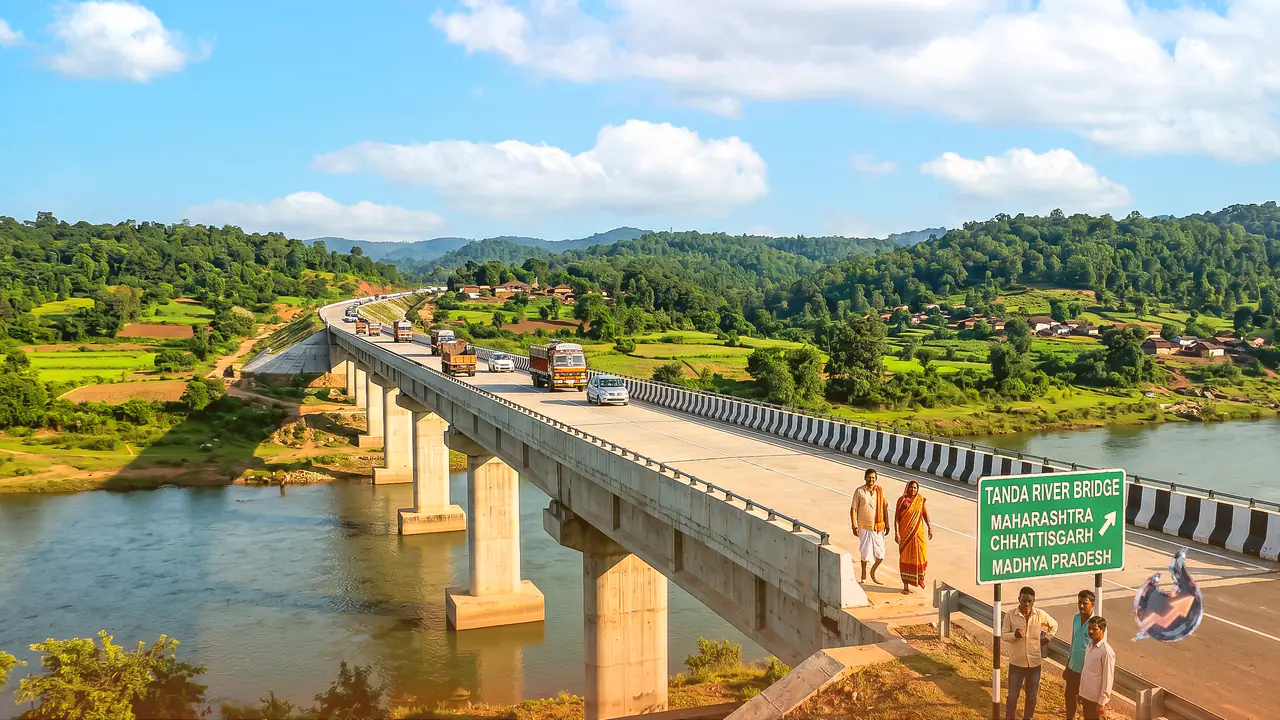
Balaghat shares its borders with Maharashtra and Chhattisgarh. Naxals took advantage of this very geography, using these routes to slip into Balaghat. To expand their organisation, they would carve out zones, divisions and dalams across different pockets. One such dalam was once active here, and it took its name from a river. Today, a high level bridge built over that same river connects Balaghat in Madhya Pradesh with Maharashtra and Chhattisgarh.
The river that gave a dalam its name
Heading from the Lanji area of Balaghat towards Saletekri, the route crosses the Tanda river. It looks like a modest little river, flowing through Madhya Pradesh and Chhattisgarh and forming a natural boundary between the two states. Yet there was a time when an entire Naxal dalam operated under its name.
Senior journalist Ashok Motwani recalls that it was back in 2009-10 when the Naxals set up a new dalam to widen their area of operation and named it after the Tanda river. That is how it came to be known as the Tanda dalam. Its reach stretched from Saletekri to the Devarbeli area of Balaghat. Exactly three years later, the Naxals also raised a Vistar Platoon, meant to push the organisation all the way to Amarkantak. But the alertness of the security forces ensured that this plan never succeeded. Over time, the armed movement kept weakening, and eventually the Tanda dalam was merged into the Malajkhand dalam.
A bridge built at a cost of four crore rupees
To address the hardships of Naxal hit villages, special facilities were rolled out in these areas in 2017-18 under the LWE scheme. As part of this effort, the high level bridge was built at a cost of around four crore rupees, with a length of about 120 metres. Before the bridge came up, people in the area would remain cut off from the rest of the world for the four months of the rainy season. The bridge has not only solved this major problem for villagers, it has also sped up patrolling by the security forces.
It is worth noting that Naxals have always opposed facilities such as roads, bridges and communication networks. In their absence, the security forces often could not reach a spot in time even after receiving information. With the bridge now in place, anti Naxal operations have gained pace as well.
Easier connectivity across three states
The biggest gain from the bridge over the Tanda river has gone to ordinary travellers. Earlier, reaching places like Baihar, Malajkhand, Birsa and Garhi from the Maharashtra side, or Kawardha, Gandai, Chhuikhadan and Khairagarh in Chhattisgarh, meant covering nearly 100 kilometres of extra distance. Once the bridge was completed, that gap shrank considerably. Today the distance between Gondia in Maharashtra, Balaghat in MP and Kabirdham in Chhattisgarh has become far easier to cover than before.