
Why Snake Activity Spikes When the Rains Arrive
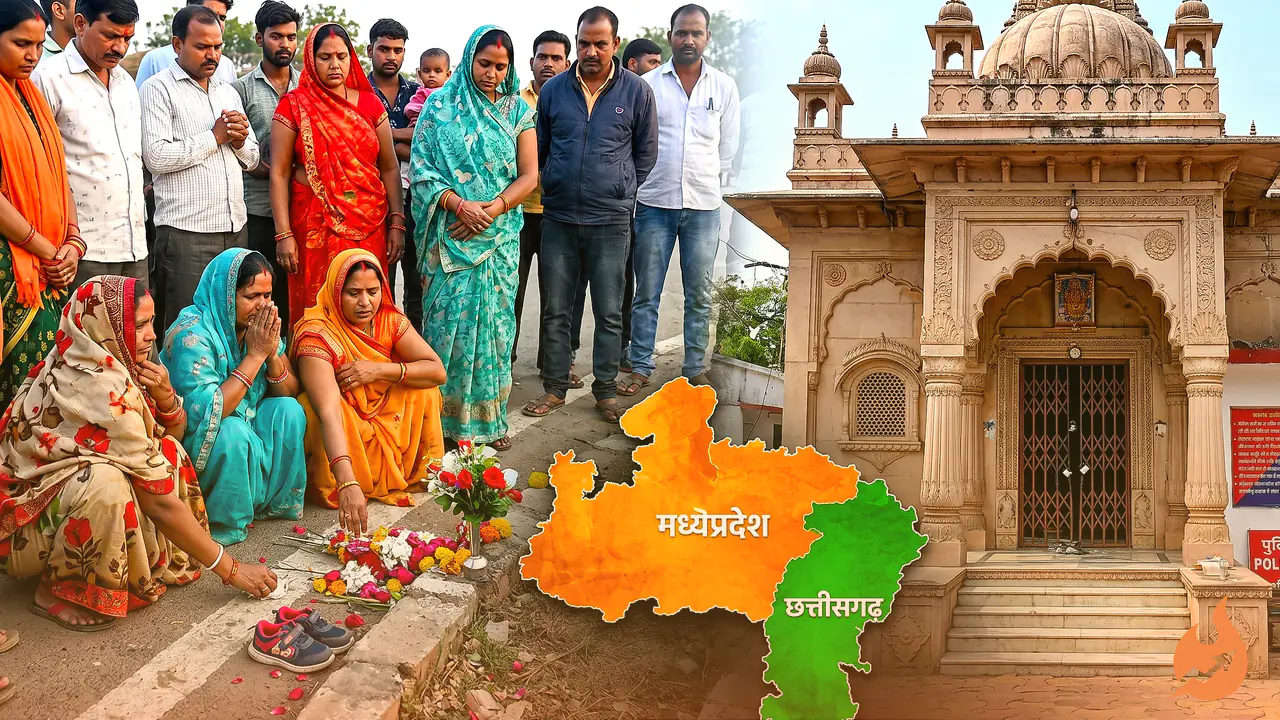
The onset of the monsoon season brings a sharp rise in snake activity across central India. Driven out of their burrows by the search for prey and the need to find dry shelter, snakes frequently make their way into farmland, gardens, homes and populated localities. In Khargone and the surrounding rural belt of Madhya Pradesh, sightings and close encounters become a routine occurrence during this period.
The Widespread Misconception: Every Snake Is Not Deadly
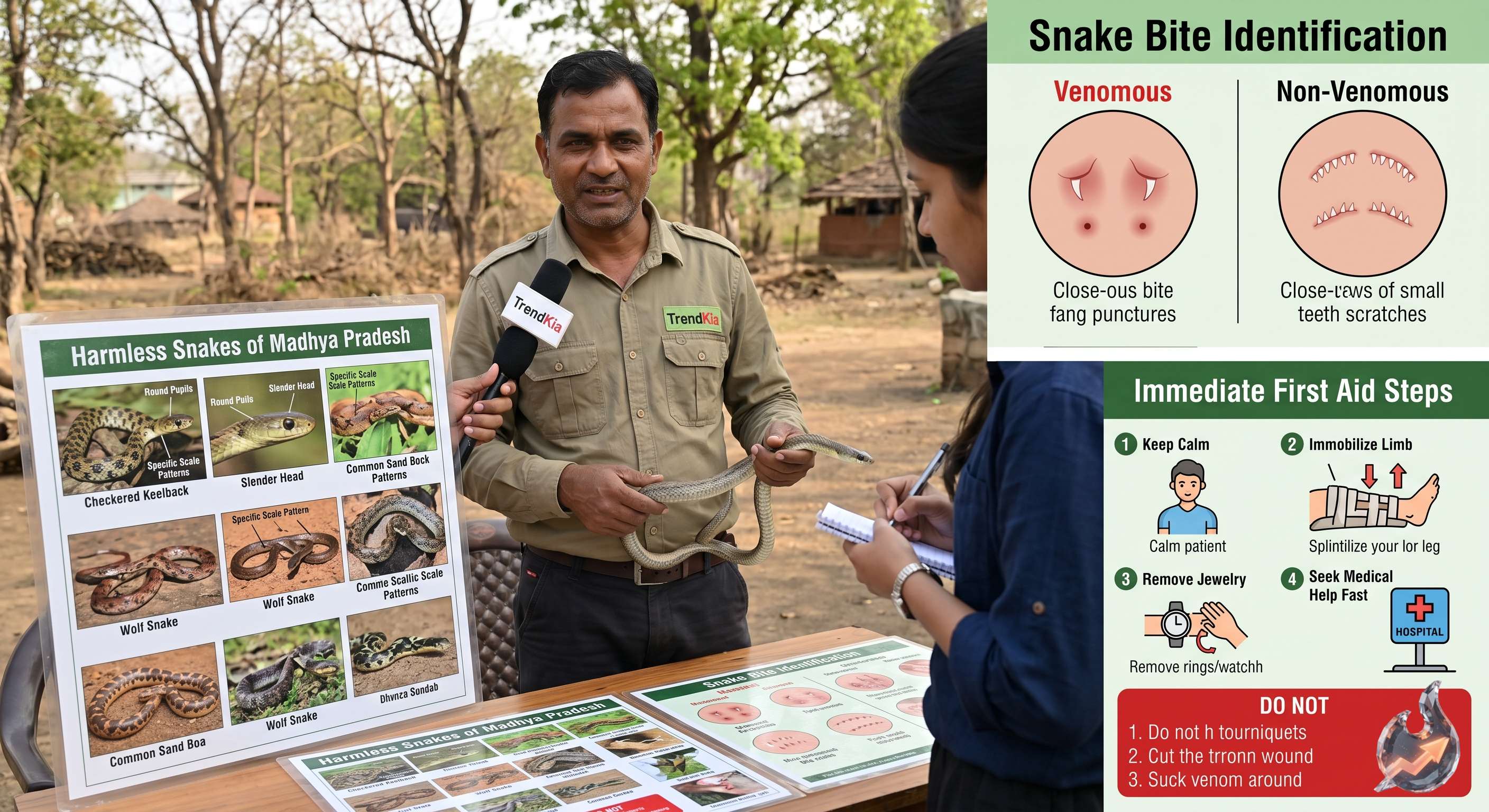
The fear that grips most people during a snake encounter stems largely from a lack of information. Mahadev Patel, a well-known snake catcher based in Khargone, told TrendKia that roughly 35 to 36 snake species found in Madhya Pradesh are completely non-venomous. A bite from any of these species produces a wound but no venom enters the body. The key non-venomous species include Bronzeback (also called udan bail locally), Ghoda Pachhar, Panial, Dendu and Green Keelback.
The Non-Venomous Snakes Most Commonly Found Around Khargone
Four species are seen most frequently in and around Khargone: Water Dendu, Ghoda Pachhar, Wolf Snake and Bronzeback Tree Snake. These snakes tend to inhabit areas near water bodies, damp soil, gardens and the edges of human settlements. Despite carrying no venom, they can and do bite in self-defence when they feel threatened.
How to Identify These Five Non-Venomous Species
- Ghoda Pachhar: Long and slender in build, this species can be yellow, brown or black in colour. It is a fast mover and its instinct upon sensing a human is to flee rather than confront.
- Water Dendu: Found near ponds, rivers and marshy areas. Its body carries a distinctive square or checkered pattern that makes it relatively easy to recognise.
- Bronzeback Tree Snake: An arboreal species that spends most of its time in trees and shrubs. The defining feature is a gleaming bronze-coloured stripe running along its back.
- Wolf Snake: Dark brown to black in colour, with white or pale stripes along its body. Its resemblance to the highly venomous krait is close enough that it is frequently misidentified, causing unnecessary alarm among people who encounter it.
- Green Keelback: A slender, bright green snake that is most often found among trees and bushes.
Reading the Bite Marks Can Offer a Useful Clue
In many cases people are too frightened after a snake bite to get a clear look at what bit them. However, examining the wound itself provides a meaningful indicator. When a non-venomous snake bites, it leaves more than two teeth marks on the skin, because all its teeth are uniform in size and it has no dedicated fangs. A venomous snake, by contrast, typically leaves just two distinct fang puncture marks at the bite site.
Four Steps to Take Immediately After a Snake Bite
Mahadev Patel's primary advice is to avoid panic above all else. Fear triggers a rapid increase in heart rate and blood circulation, which in the case of a venomous bite can cause the venom to spread through the body much faster than it otherwise would.
- Stay calm and keep the affected person as relaxed as possible.
- Minimise movement of the bitten limb.
- Wash the wound thoroughly with soap and clean water, then apply a light bandage.
- Proceed without delay to the nearest hospital or health centre and seek a doctor's assessment.