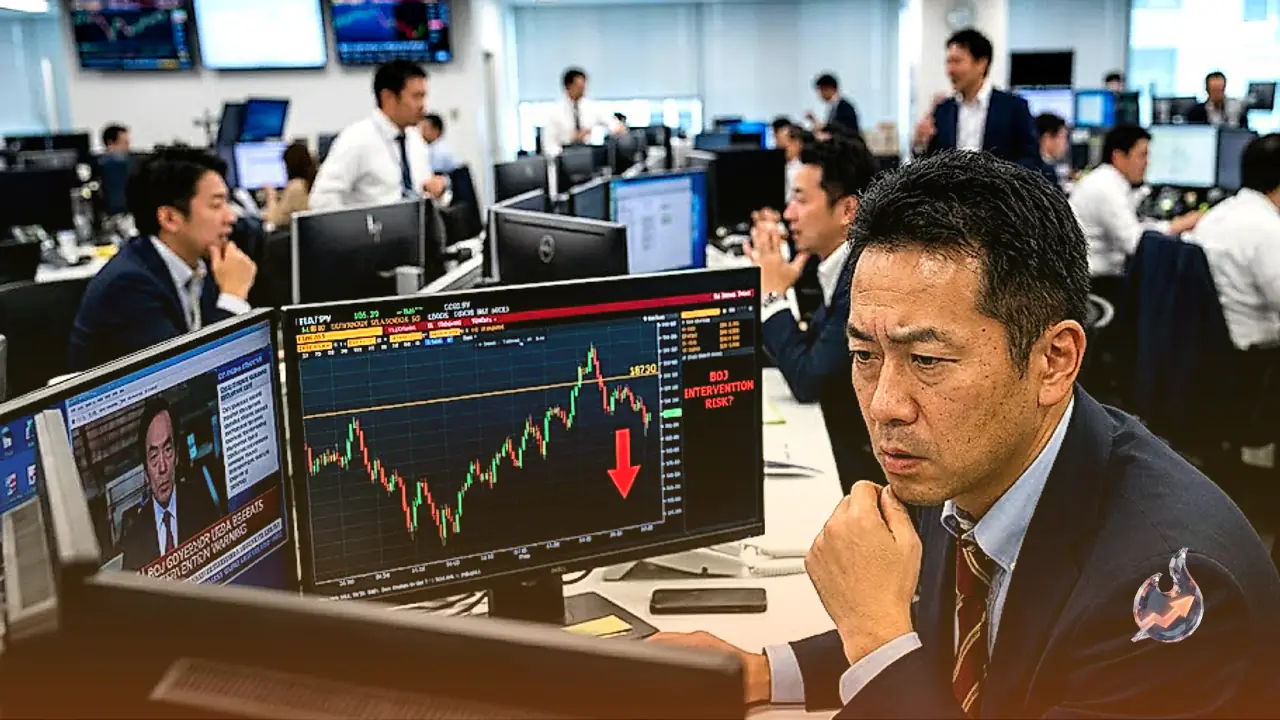

























Economists at DBS, Radhika Rao and Mo Ji, have issued a forecast suggesting that China's Gross Domestic Product (GDP) growth is poised to soften from 5.0% year-on-year in the first quarter to 4.8% in the second quarter. The projections highlight that while certain segments of the economy show resilience, the broader domestic recovery remains uneven and challenged by structural headwinds.
Industrial Output and Export Trends
The industrial sector provides some positive signals, with industrial production expected to inch upward from 4.5% in April to 4.6% in June, supported by steady external demand. Furthermore, export growth appears to have maintained significant momentum, with an estimated increase of 20.4% in June. This strength is largely attributed to regional demand for AI-related electronic goods, which continues to drive export volume for the nation.
Retail Weakness and Real Estate Pressures
Despite the export performance, the domestic consumer market faces notable pressure. Retail sales growth is projected to moderate to 0.5% for June 2026, a slowdown partly explained by a high base effect resulting from the trade-in subsidy programs implemented last year. Additionally, the ongoing decline in property prices continues to negatively impact household wealth, leading analysts to conclude that consumption will likely remain subdued in the near term.
Currency and Precious Metal Markets
In currency markets, GBP/USD maintained moderate gains, holding above the 1.3400 handle on Friday. The British Pound is finding support from optimism surrounding the UK government's leadership transition and expectations of further tightening by the Bank of England, while the US Dollar is pressured by easing geopolitical tensions in the Middle East and waning expectations for Federal Reserve rate hikes. Meanwhile, EUR/USD struggled to build on previous momentum, trading with marginal losses near 1.1420 as uncertainty regarding the US-Iran conflict keeps investors cautious, limiting any significant upside for the pair.
Gold has also struggled to extend its rebound, trading in a narrow range around the $4,100 per troy ounce mark on Friday. The precious metal's upside is constrained by ongoing uncertainty surrounding the Middle East conflict and is further challenged by rising US Treasury yields across the curve.
Upcoming Outlook and FOMC Dynamics
The week ahead is headlined by the US inflation report and testimony from Warsh. The US Dollar is expected to remain a dominant focus amidst a flurry of other economic data and regional tensions in the Mideast. Analysts are also looking to China's GDP data to shed light on the impact of these developments on the second quarter. Markets have experienced volatility; having opened July with a December rate hike as the base case, sentiment shifted after a 57K payroll print dampened tightening bets, only for fresh escalation in the Strait of Hormuz to revive them. The minutes from the June Federal Open Market Committee meeting reflect a landscape that has shifted significantly since those discussions took place.