























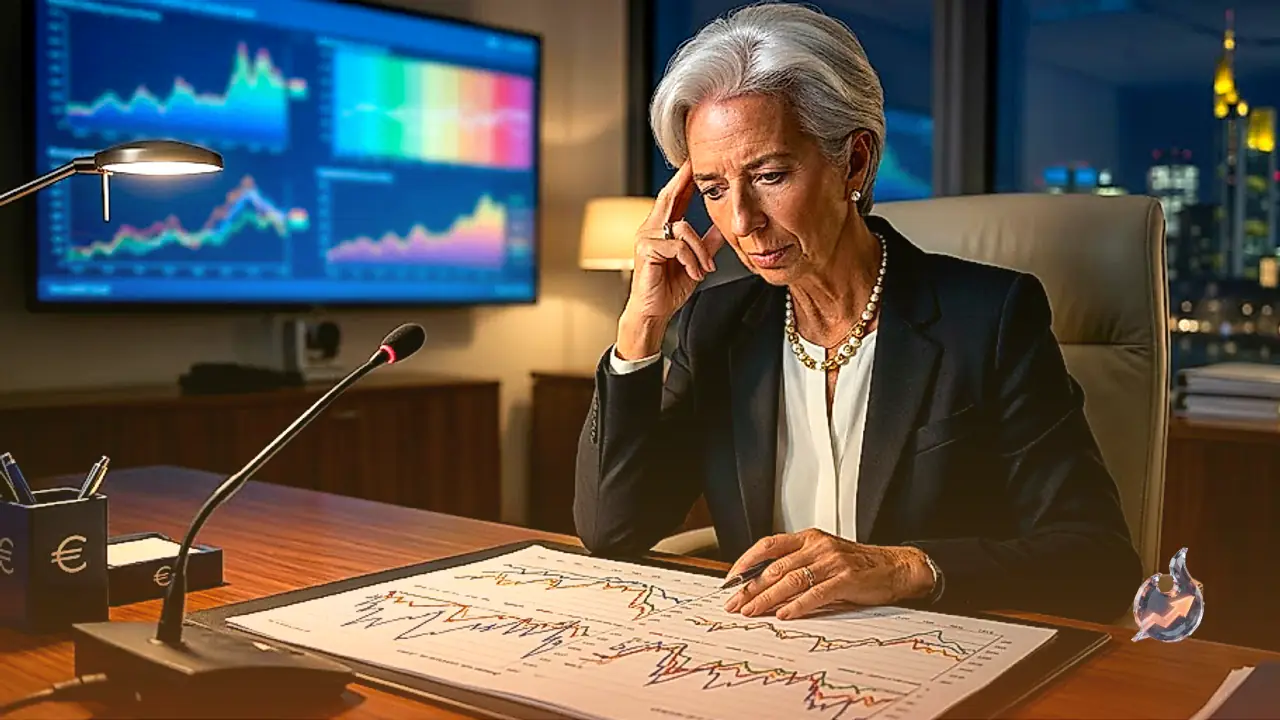

The energy shock currently impacting the Eurozone is proving to be far more stubborn than initially anticipated during the policy meetings held in March and April. The inflation outlook has deteriorated further as indirect consequences of this shock have become increasingly broad-based and visible across various economic sectors. According to analysis from Nordea, market participants should be cautious, as even a sustainable resolution to the ongoing conflict in the Middle East would not automatically translate into an immediate end to the energy shock.
Long-term Economic Implications
Even under more optimistic scenarios where energy prices might recede due to a prompt and stable resolution of regional tensions, a significant portion of the inflationary damage has already permeated the broader economy. Structural issues, including supply chain disruptions, elevated production costs, and price adjustments made at the firm level, are not factors that will simply reverse in a short timeframe. These adjustments indicate that the inflationary impact will continue to weigh on the economic landscape well beyond the immediate resolution of current geopolitical conflicts.
Global Market Dynamics and Currency Movements
Market movements on Thursday showed the GBP/USD pair retreating from a three-week high of over 1.3430, testing the 1.3400 yardstick. While reduced political uncertainty in the UK has provided some support for the pound, escalating tensions in the Middle East have provided a tailwind for the Greenback, keeping Cable under intense scrutiny. Meanwhile, EUR/USD continues its recovery trend, looking to consolidate gains above 1.1400 as the North American session concludes, despite the lingering geopolitical concerns that remain unabated.
Developments in Gold and Cryptocurrency Markets
Gold staged a modest rebound on Thursday, breaking a three-day losing streak to surpass the $4,100 mark per troy ounce. Despite this recovery, steady geopolitical tensions have revived concerns regarding persistently high global inflation, which reinforces market expectations of higher interest rates across the board and limits the potential for further upside in the precious metal. In the cryptocurrency sector, Aave moved higher above $90.00 amid broader stabilization in the digital asset market. This sentiment was buoyed by the company’s announcement of Stable Vaults, a platform designed to enable businesses to integrate fixed-rate stablecoin yield into their operations.
Central Banks Shift Away from Forward Guidance
For years, central banks have maintained a policy of providing clear signals to markets regarding future actions. However, traders are now facing the reality that policymakers from the Federal Reserve, the European Central Bank, and the Bank of England are increasingly pushing back against the use of detailed forward guidance. As central banks become more reserved in their communications, market participants must adapt to a landscape where future policy paths are less explicitly telegraphed.