























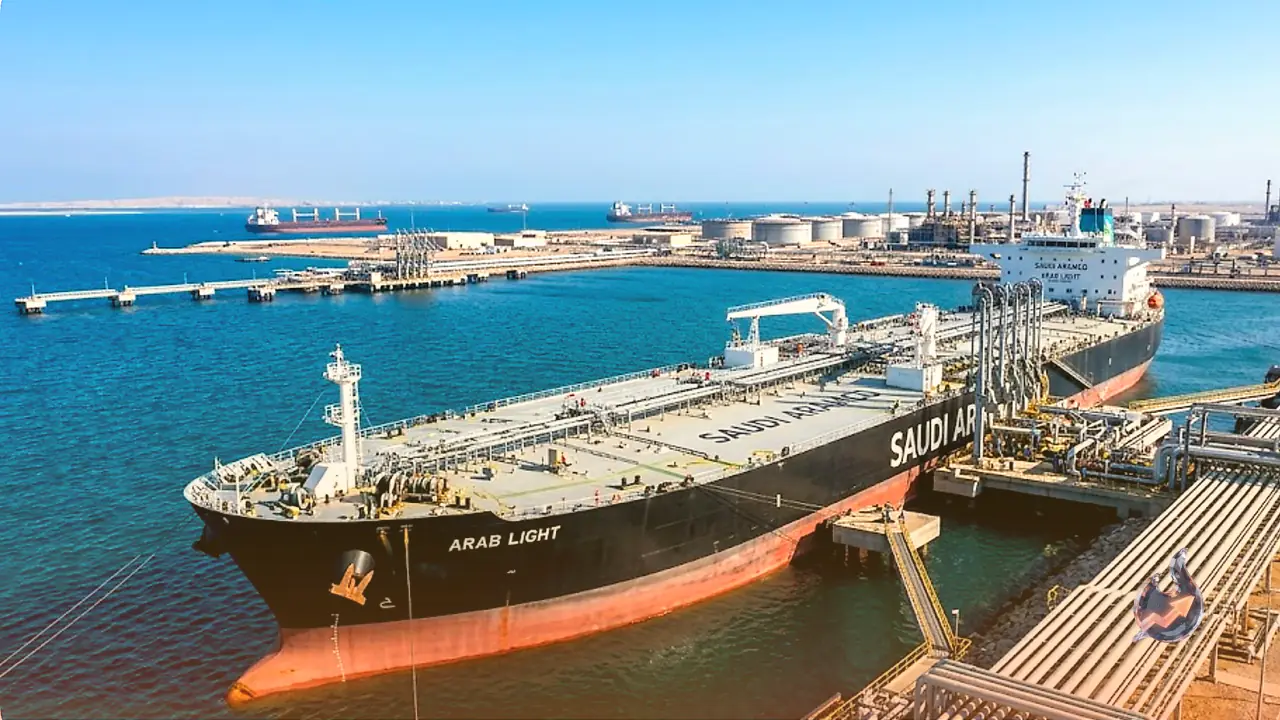

Saudi Arabia has sharply reduced its August official selling price for Arab Light crude bound for Asia, and the cut turned out to be far bigger than the market had braced for. The move came right after a steep drop in Middle East spot crude values. It matters because Saudi term prices set the tone for crude trade across the region. Asian refiners lean on these levels to gauge their margins and to weigh one supply option against another.
For Asian buyers, Arab Light was fixed at $1.50 a barrel below the Oman/Dubai average. A pricing document put the figure at that level. It was the lowest since June 2020. More strikingly, it completely reversed July's unusually rich premium of $9.50 a barrel.
A Decision That Defied Forecasts
Most traders had expected only a modest change for August. Forecasts pointed to a premium of somewhere between $1.50 and $3.00 over Oman and Dubai. Instead of a premium, Saudi Arabia set an outright discount. The scale of the cut caught refiners and the wider market off guard. The pricing shift sent a clear message that spot demand had weakened and that more Gulf barrels were available for sale.
What an OSP Actually Is
Official selling prices, known as OSPs, shape the monthly cost of crude under term contracts. Saudi Aramco usually fixes OSPs only after reviewing demand and margins. It also weighs the prices of rival crudes and the results of spot trade. When a cut runs deeper than expected, it can hint at stress building inside the physical crude market.
The Role of the Oman/Dubai Benchmark
The Oman/Dubai average is the main yardstick for Gulf crude heading to Asia. Saudi Arabia prices several of its grades against it. The benchmark reflects the value of sour crude in regional trading. Pricing below Oman/Dubai suggests Saudi Arabia was moving to defend its market share. With spot cargoes turning cheaper, refiners suddenly had more supply choices in front of them.
Rising Supply Dragged Prices Lower
Growing supply across the region pushed Middle East spot prices down. That, in turn, weakened the physical differentials seen in spot trade. When spot barrels slide, term prices tend to follow. If they do not, refiners can simply switch to other cargoes. This adjustment brought Saudi term prices back in line with the softer spot market.
The swing also underlined how quickly conditions can turn. July's $9.50 premium was extraordinarily high by past standards. Premiums like that usually track strong margins or tight supply. August's $1.50 discount showed that buyers were no longer willing to pay up, and it pointed to more cautious purchasing.
Impact on Asian Buyers
India, China, Japan and South Korea stood out as the key buyers affected by the change. Asia remained Saudi Arabia's single most important crude destination. If demand holds, lower OSPs can bring down feedstock costs. Plants built to run medium and sour grades may benefit the most. Even so, the gains still hinge on the crude slate and on freight costs.
What It Means for India
Indian refiners were watching Saudi prices alongside other supply routes. West Asian crude has long sat at the heart of India's import mix. Over recent years, India has also stepped up its intake of discounted Russian crude. A deeper Saudi cut can sharpen the competitiveness of Gulf barrels. Yet the final call still depends on the delivered cost and on how well the crude fits a given refinery.
Cheaper Saudi term crude does not guarantee lower retail fuel prices in India. Pump prices also rest on exchange rates and taxes. Marketing margins and policy decisions come into play too. The OSP cut may ease some of the pressure on input costs, but the pass-through to consumers is neither direct nor immediate.
Pressure on Other Gulf Exporters
Other Gulf exporters often take their cue from Saudi pricing. Kuwait, Iraq and the United Arab Emirates set their own monthly Asia prices as well. A sharp Saudi cut can push these peers to respond. Refiners compare similar grades closely across suppliers. The signals to watch next include refinery run rates and Dubai-linked spot differentials.
A Signal for Investors
For investors, the OSP move works as a physical-market indicator. It suggested that demand was not strong enough to sustain the earlier high premiums. Oil futures often react to macro news first, while OSPs reveal what buyers are actually paying in real trade. Saudi Arabia's August pricing pointed to softer Asian crude conditions and to cautious buying.