




















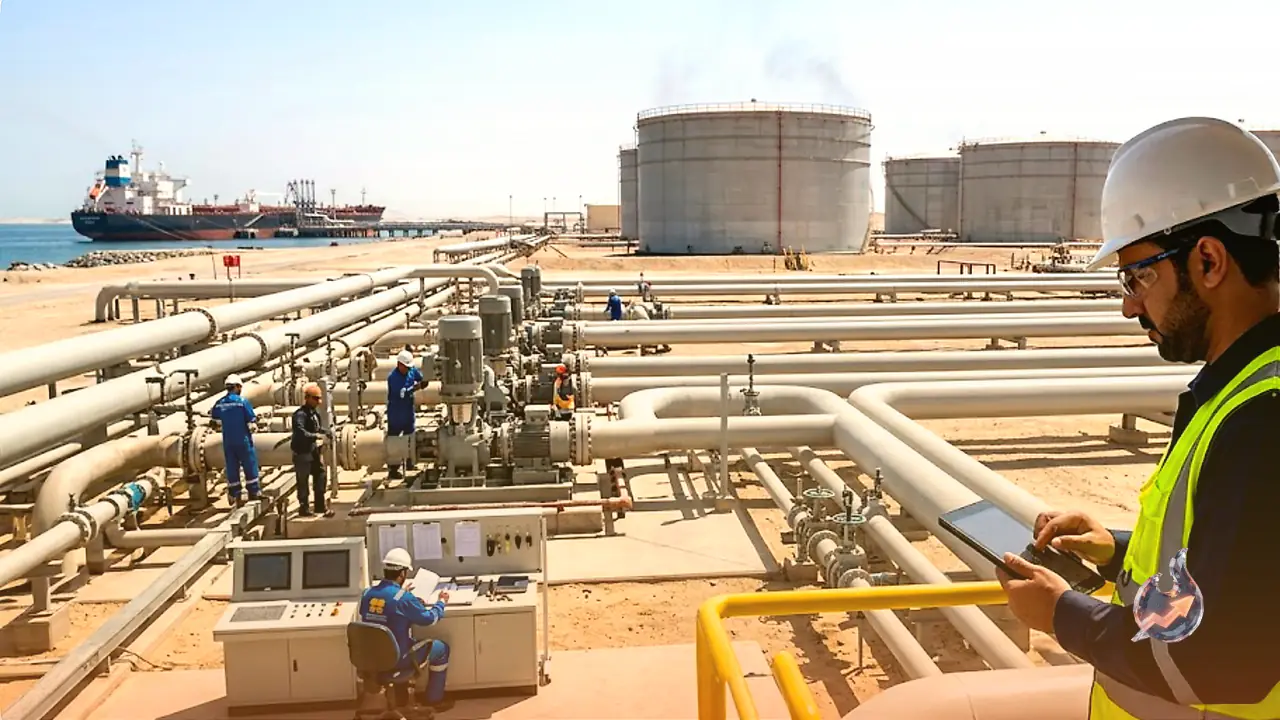

With crude prices sliding sharply, OPEC+ has decided once again to open the taps a little wider. Seven member countries of the alliance will lift output modestly in August, adding a combined 188,000 barrels per day to the market. Notably, this is the fifth straight month the group has agreed to raise supply. The decision comes at a time when oil prices have tumbled after the fighting between the US and Iran eased.
Which countries backed the move
Saudi Arabia, Russia, Iraq, Kuwait, Kazakhstan, Algeria and Oman all joined the decision. OPEC+ made clear that it will keep watching signals from both supply and demand. The group tied the plan to a desire to avoid sudden swings in the market. Oil markets remain highly sensitive to shipping risks and to diplomacy, which is why the producers are moving carefully, one small step at a time.
The producers said they will keep tracking market conditions and risks. In a statement, the group said, "The countries will continue to monitor and assess market conditions, and in their continuous efforts to support market stability, they reaffirmed the importance of adopting a cautious approach."
Why prices fell
Crude prices dropped over the past month as traders reacted to improving expectations. Prices slid both before and after the US and Iran reached an interim deal. Under a wider memorandum of understanding, Iran agreed to allow ships to pass through, while the US agreed to end the blockade of Iran's ports.
Since then, more commercial vessels have begun using the Strait of Hormuz. Before the war, that route carried about a fifth of the world's oil. Even so, traffic remains below pre-war levels and tensions continue. On Thursday, Iran's joint military command issued a warning about tankers, saying ships must stick to approved routes.
Brent slips under $72
As negotiators from the US and Iran work toward a final peace deal, oil prices have kept sliding. Brent crude traded under USD 72 a barrel after markets opened on Sunday night. That is close to the level seen before the late February strikes by the US and Israel. Back in March, prices had surged to nearly USD 120.
How the conflict fueled an energy crisis
The conflict set off an energy crisis across many regions. With most shipping blocked in the Strait of Hormuz, the earlier OPEC+ increases had only a limited effect. Those extra barrels could not offset the disrupted flows and tight supply. The strain pushed costs higher for fuel buyers and for economies that depend on imports.
During the early phase of the war, several major Middle East producers cut their output. Because ships could not move freely, many barrels were left stranded with few export routes. S&P Global Energy estimates that Gulf output may not fully recover soon. According to its assessment, a full rebound may not come until at least the first quarter of 2027.
What lies ahead
Energy experts have repeatedly warned that fuel costs could stay high for longer. Analysts have also said that prices of consumer goods could remain under pressure even after the fighting ends. OPEC+ is still adding supply in small steps while keeping an eye on the risks. The August increase will put more oil into the market, but uncertainty around shipping routes remains.