























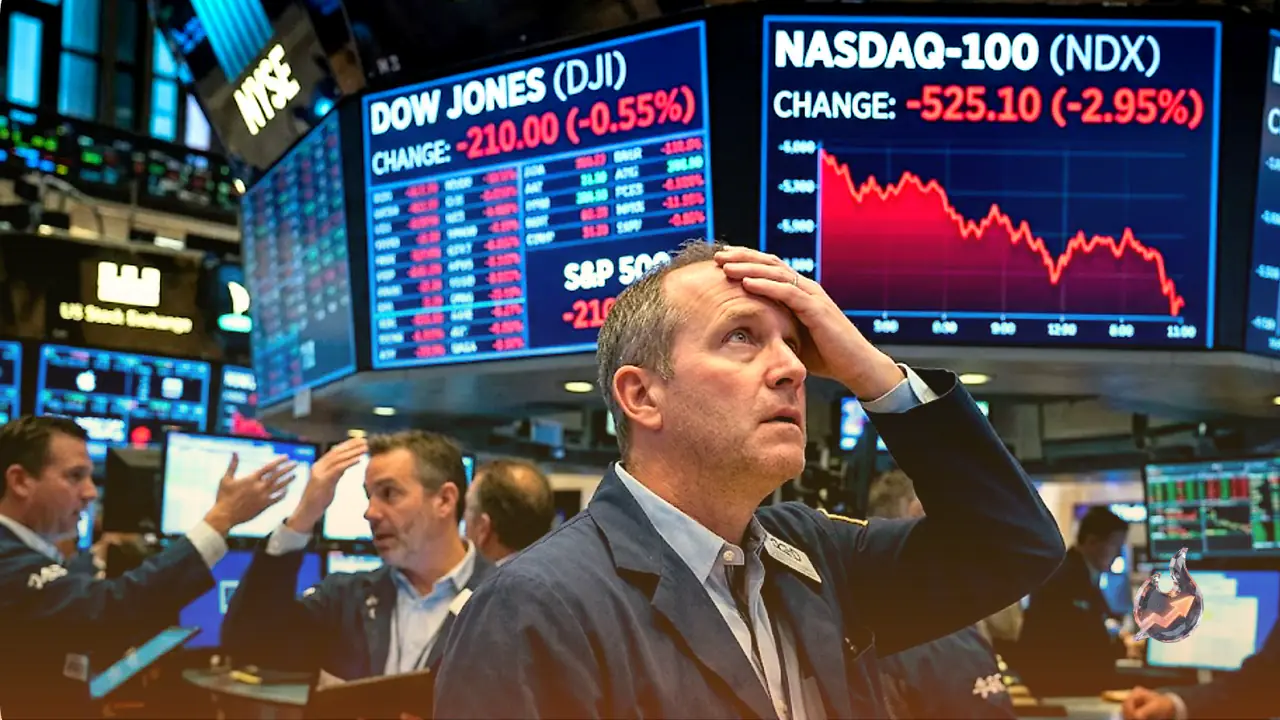

After a record-breaking week for the US equity markets, the momentum shifted sharply on July 7, resulting in a significant sell-off. The Nasdaq 100 index suffered the most, plummeting by 525 points. Meanwhile, the Nasdaq Composite index demonstrated weaker performance compared to both the Dow Jones Industrial Average and the S&P 500, highlighting a broader cooling in investor sentiment across tech-heavy sectors.
The SpaceX Effect
Expectations were high on Monday as Elon Musk's SpaceX joined the index. However, the anticipated boost failed to materialize. Instead of capturing new buying interest, the rocket stock nosedived by nearly 7%, settling around 149.47 per share. In terms of market value, the decline was substantial, with approximately 145 billion wiped off the company’s valuation in a single session. This pessimism also trickled down to other parts of Musk’s empire, as Tesla faced a sharp decline of 4.02% to 402.90, erasing 63.38 billion in market capitalization.
Tech Sell-off in Chipmakers
The primary driver behind the losses in the Nasdaq 100 and Nasdaq Composite, relative to the Dow Jones and S&P 500, was intense selling pressure on chip manufacturers. Companies like AMD saw their share prices drop by 6.51% to 516.11, resulting in a loss of 58.61 billion in value. Similarly, Micron Technology fell by 4.71% to 938.38, shedding 52.39 billion in market cap. Sandisk also struggled, crashing by 7.3% and losing 18.76 billion to close at 1,618. Joe Mazzola, head trading and derivatives strategist at Charles Schwab, noted that fresh momentum concerns forced chip shares lower, overriding the positive impact of robust quarterly growth figures reported by Samsung Electronics.
Geopolitical Tensions and Inflation Fears
Market sentiment was further soured by the escalation in hostilities between the US and Iran. The exchange of airstrikes threatened the delicate interim peace deal, leading to a surge in crude oil prices. This rise in energy costs has stoked inflation fears, increasing the probability of interest rate hikes in 2026. The market is currently pricing in a 50% chance of a Fed rate increase, up from 46% a day prior. Additionally, Trading Economics data revealed that the US trade deficit widened to 77.6 billion in May, the largest gap recorded since March 2025.
Looking Ahead
Investors are now looking toward the upcoming FOMC minutes for guidance on the central bank's policy outlook. Cooper Howard, director of fixed income research and strategy at the Schwab Center for Financial Research, suggested that the Fed may remain on hold for the remainder of the year while monitoring inflation risks. As the market navigates these geopolitical risks, US stock futures showed signs of a rebound on Wednesday, with the US dollar strengthening above 101.12. The path forward for Wall Street remains contingent on how effectively the central bank manages the current inflationary environment and how persistent the tensions in the Middle East prove to be.