
Sultanpur's Enduring Historical Significance
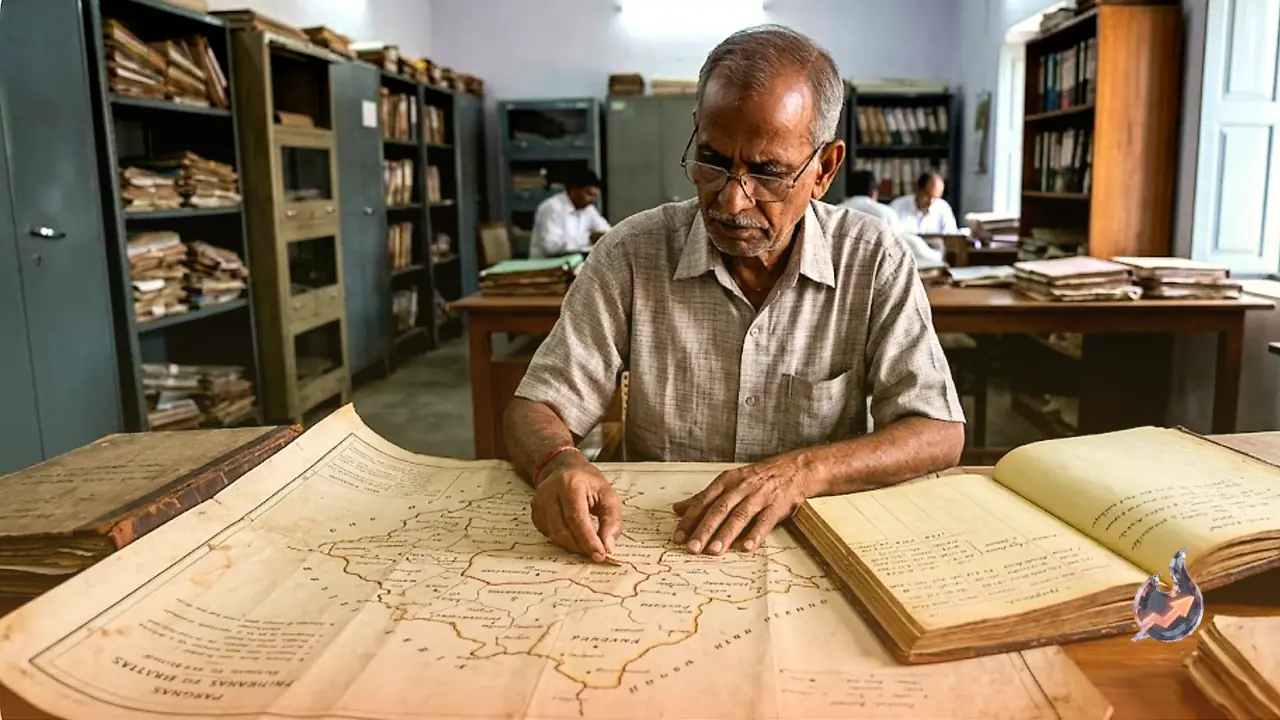
The region of Sultanpur, historically, has extended far beyond its mere physical boundaries, deeply intertwined with significant dynasties and personalities across ancient, medieval, and modern Indian history. This district, a silent witness to numerous pivotal events that have etched their names in the golden letters of Indian history, was once systematically divided into 12 administrative units known as 'parganas'. The term 'pargana', still in use in revenue records today to denote a 'mohal' or 'area', stands as a crucial element of the region's rich administrative heritage.
Origin and Early Use of the Term 'Pargana'
The concept of 'pargana' emerged in the 12th century, with its earliest written appearance attributed to Abul Fazal. According to historian Rajeshwar Singh, in his book 'Sultanpur: Itihaas ki Jhalak' (page 33), the term 'pargana' was first utilized for land tax payments around 1210 AD. C.A. Elliot, in his 'Unnao Chronicle', further notes that the word saw its initial application during the reign of Shihabuddin Ghori. Dr. W. Oldam also elaborates that 'pargana' was first used in the early Muslim period to describe cultivated tracts of land amidst forests, which were often controlled by specific lineages and castes. In contemporary terms, these ancient parganas functioned much like today's tehsils; just as a district comprises several tehsils today, so too did Muslim-era districts contain multiple parganas.
British Reorganization of Parganas
Senior journalist Vikram Brijendra Singh informed TrendKia that prior to 1869, Sultanpur comprised a total of 12 parganas. However, upon the British acquisition of power, a comprehensive reorganization of the administrative boundaries of Sultanpur and its neighboring districts was undertaken. As part of this restructuring, parganas such as Isouli, Barosa, and Aldemau were transferred from Faizabad and integrated into Sultanpur. Conversely, parganas including Inhauna, Jaish, Simrauta, Mohanlalganj, and Subiha were removed from Sultanpur and annexed to adjacent districts. These significant historical facts and geographical adjustments reflect the cultural, political, and social transformations prevalent during that historical epoch.
Enduring Legacy in Modern Revenue Administration
While the political systems of the Mughal era no longer govern the nation, their administrative and linguistic influence persists within the Indian governance framework. Many districts across India continue to utilize Arabic and Persian terms, remnants of the Mughal court language, within their revenue administration. This historical continuity ensures that the word 'pargana' remains a significant part of Indian revenue records today, serving as a linguistic echo of bygone administrative divisions and their long-lasting impact.