
Annual Conference Puts Passport Network Transformation in Focus
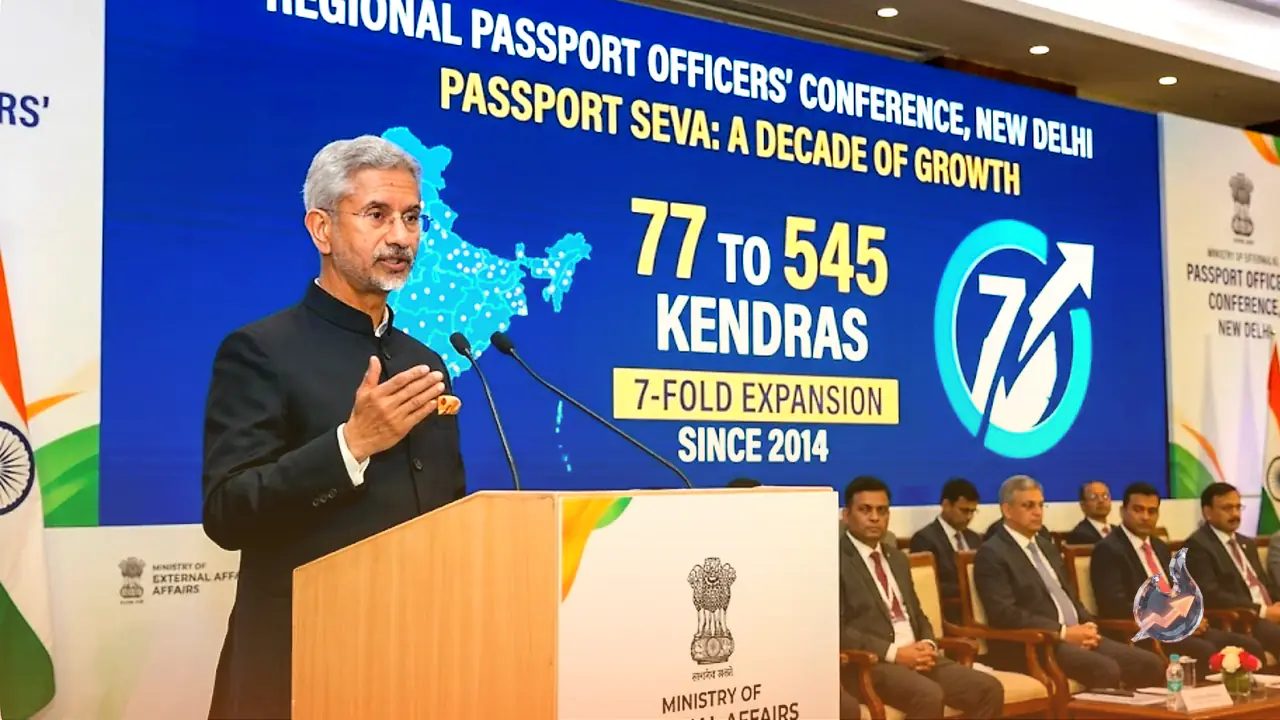
S. Jaishankar addressed passport officials from across the country at the annual Regional Passport Officers' Conference held in New Delhi, using the occasion to reflect on how dramatically India's passport delivery system has been reshaped over the past decade.
From 77 to 545: A Decade of Rapid Expansion
The figures speak for themselves. When Bharat's Passport Service Programme began its current phase in 2014, the country operated a network of only 77 Passport Seva Kendras. That number has since climbed to 545 centers spread across the nation, representing one of the more significant scaling efforts in public service delivery in recent years. S. Jaishankar pointed to this growth as a milestone the programme can be proud of.
Reaching Communities That Were Once Left Out
Beyond the raw count, S. Jaishankar was keen to emphasize that the programme's real achievement lies in its reach. Bharat's Passport Service Programme has extended its presence to the most remote and historically underserved corners of the country. Communities where a passport office was once an impractical distance away can now access these services far more easily than before.
A Programme Grounded in Collaborative Partnership
S. Jaishankar described the initiative as a model partnership, underlining that the scale of this expansion has been made possible through coordinated effort among different stakeholders. The programme has been built around delivering a smooth, citizen-friendly experience to passport applicants, regardless of where in the country they live.
Public Reaction
The announcement generated significant discussion online, with large numbers of citizens welcoming the growth in passport infrastructure as a visible, concrete improvement in government service delivery. At the same time, a section of the public raised practical questions, particularly around whether the rise in the number of centers has actually translated into shorter waiting times for applicants, which many noted continues to be a challenge in several parts of the country.