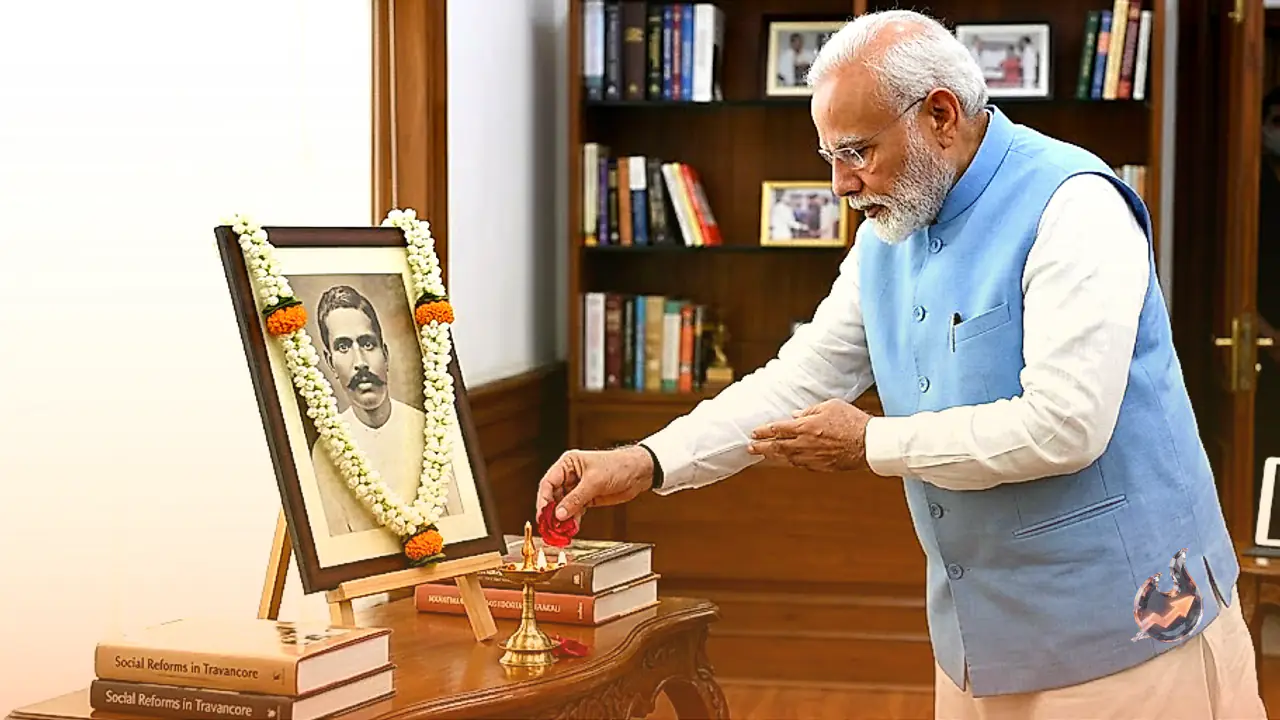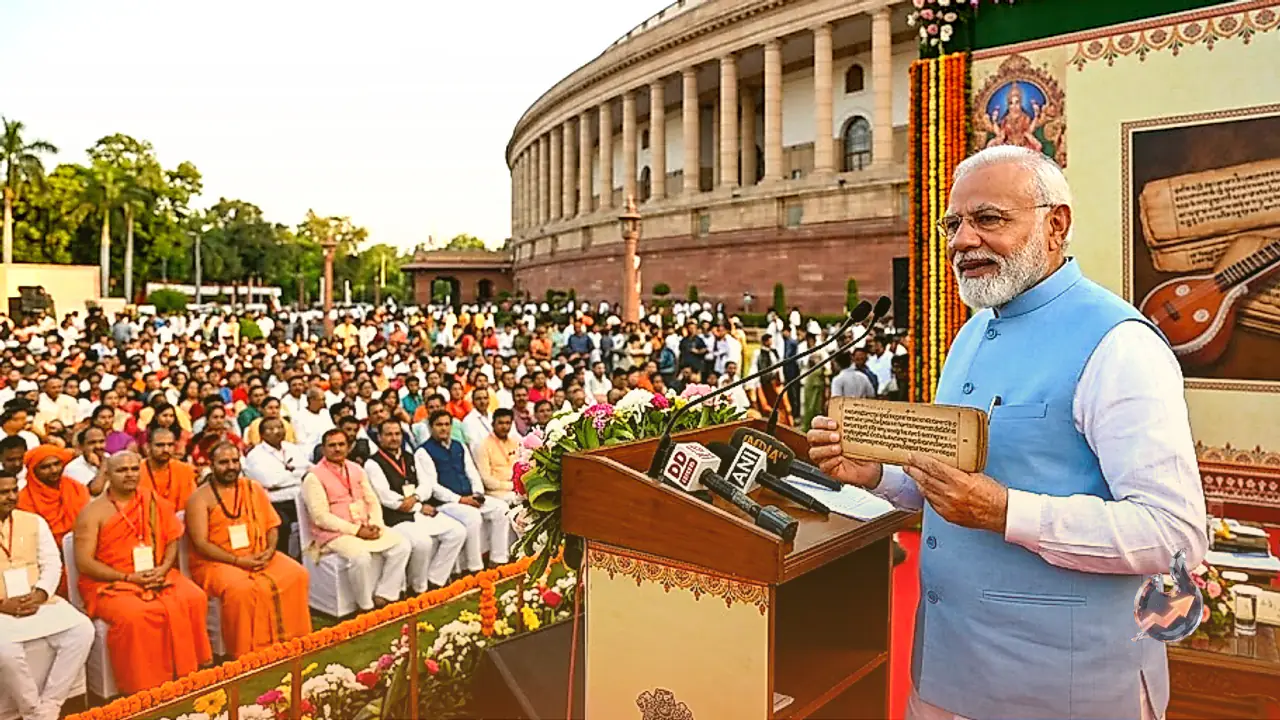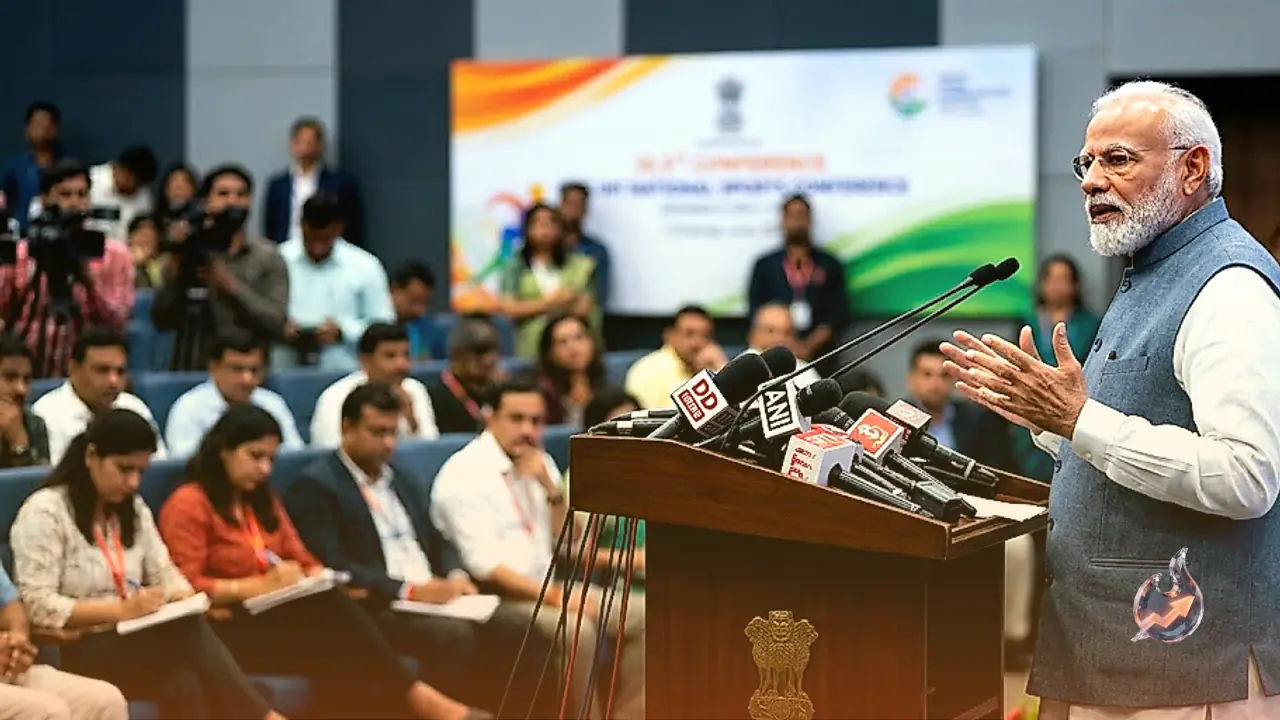























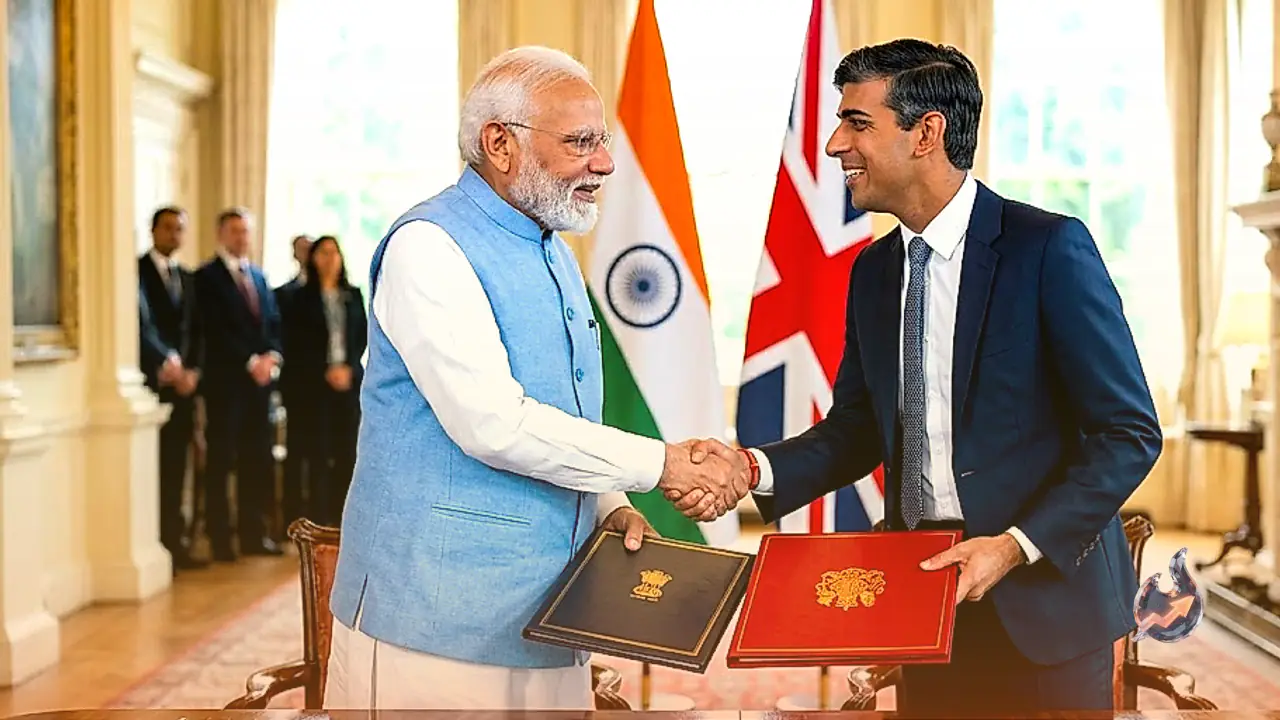

India and the United Kingdom have taken a major step forward in their economic relationship. Prime Minister Narendra Modi, posting on social media platform X from his handle @narendramodi, announced that the Comprehensive Economic and Trade Agreement, known as CETA, along with the Agreement on Social Security, have now come into force. He called it a significant moment in the India-United Kingdom partnership, adding that these agreements will deepen the economic linkages between the two nations.
What CETA and the Social Security Agreement actually cover
The Comprehensive Economic and Trade Agreement is essentially a free trade pact that eases the exchange of goods and services between India and the United Kingdom. It brings down tariffs and improves market access for products from both countries. Alongside it, the Agreement on Social Security benefits professionals and workers who move temporarily to work in the other country. It spares them from paying social security contributions in both nations at once, meaning Indian professionals working in the UK and British professionals working in India will no longer face double social security payments.
Why the agreement took effect from July 15
According to news reports, the India-UK free trade agreement came into force from July 15. The UK's envoy to India had earlier described it as a historic moment. Before that, in late June, Union Commerce Minister Piyush Goyal called the agreement a step that would unlock new doors for business and said the moment needed to be seized fully. Around the same time, in early June, the Chief Justice of India also termed the agreement a historic moment and called for a joint arbitration framework between the two countries to resolve disputes. The agreement did not emerge overnight, groundwork had been building for months. In April, the UK's Chief of Air Staff said the two countries' air forces were security partners at a moment of acute need. In February, West Midlands announced a dedicated mission to seize opportunities in India during what was marked as the Year of the Free Trade Agreement, and the British High Commission organised an event that same month to showcase AI leadership and partnership with India. In May, the UK's King's Speech also touched on economic security, resetting global partnerships, and the UK's G20 presidency.
What Narendra Modi said
In his post, Narendra Modi stated clearly that this was a significant moment for the India-United Kingdom partnership. He noted that with the Comprehensive Economic and Trade Agreement and the Agreement on Social Security coming into force, the economic linkages between the two countries would deepen further. According to him, together these agreements would translate the shared interests of both nations into concrete outcomes.
Reactions from other leaders and officials
Narendra Modi was not the only one to weigh in on the agreement. Piyush Goyal viewed it as a major opening for business, while the Chief Justice of India emphasised the need for a legal arbitration framework. On the UK side, officials ranging from the Chief of Air Staff to the high commissioner described it as a step that would strengthen ties between the two nations. Within the UK, regions such as West Midlands and institutions like the British High Commission have already begun preparing to make the most of the opportunities the agreement is expected to create.
Public reaction
Narendra Modi's post drew a mixed response from the public. Most reactions welcomed the agreement, describing it as a step that would boost trade, investment and job opportunities for India, while some users raised questions about its implications. A few responses also carried criticism of the government.