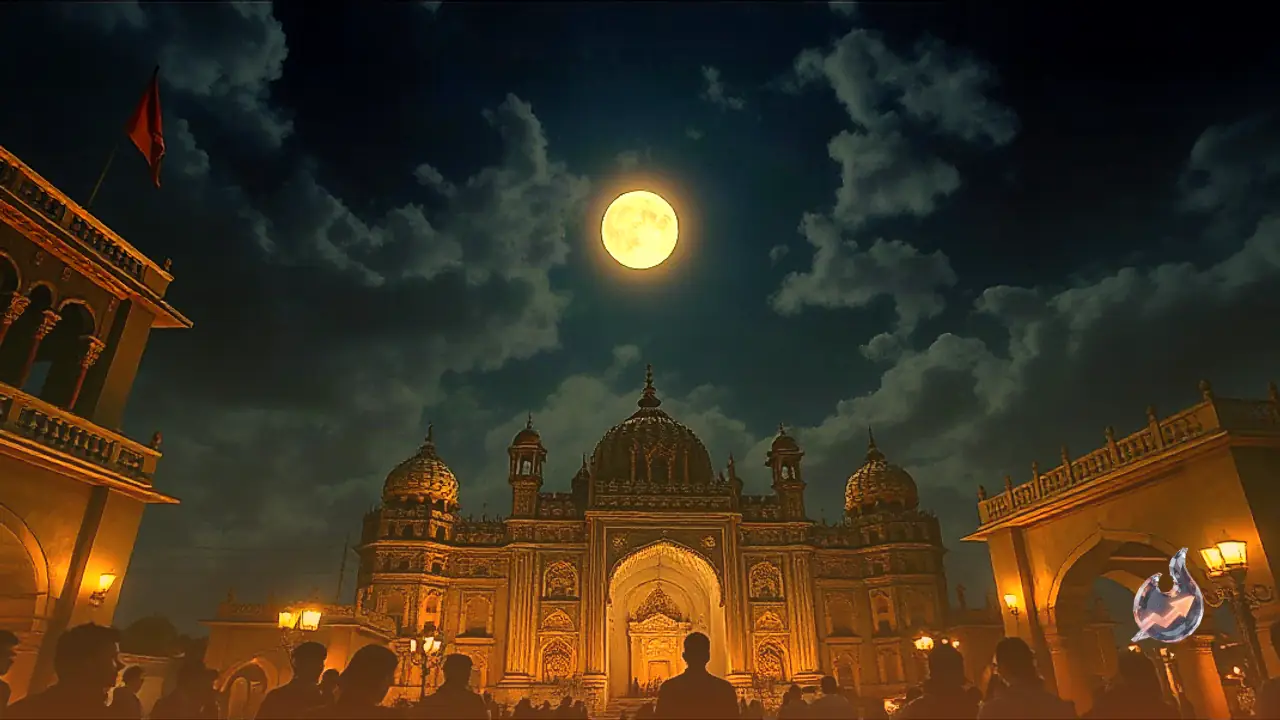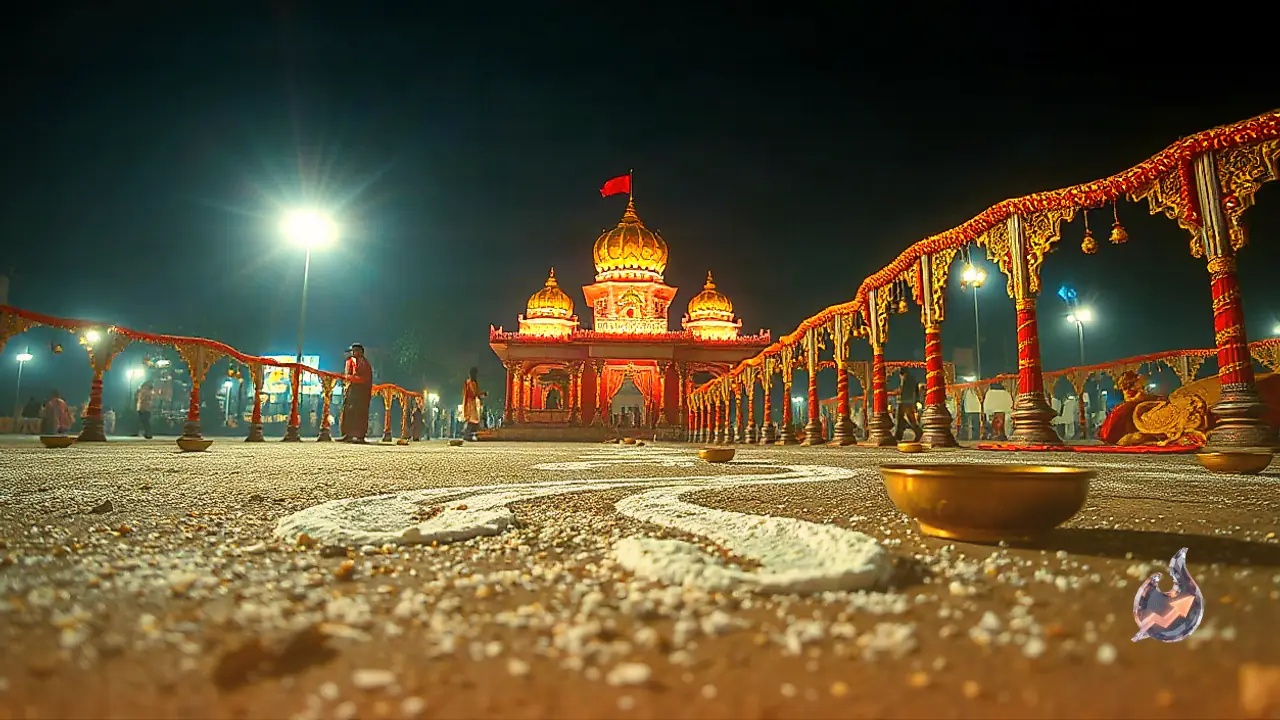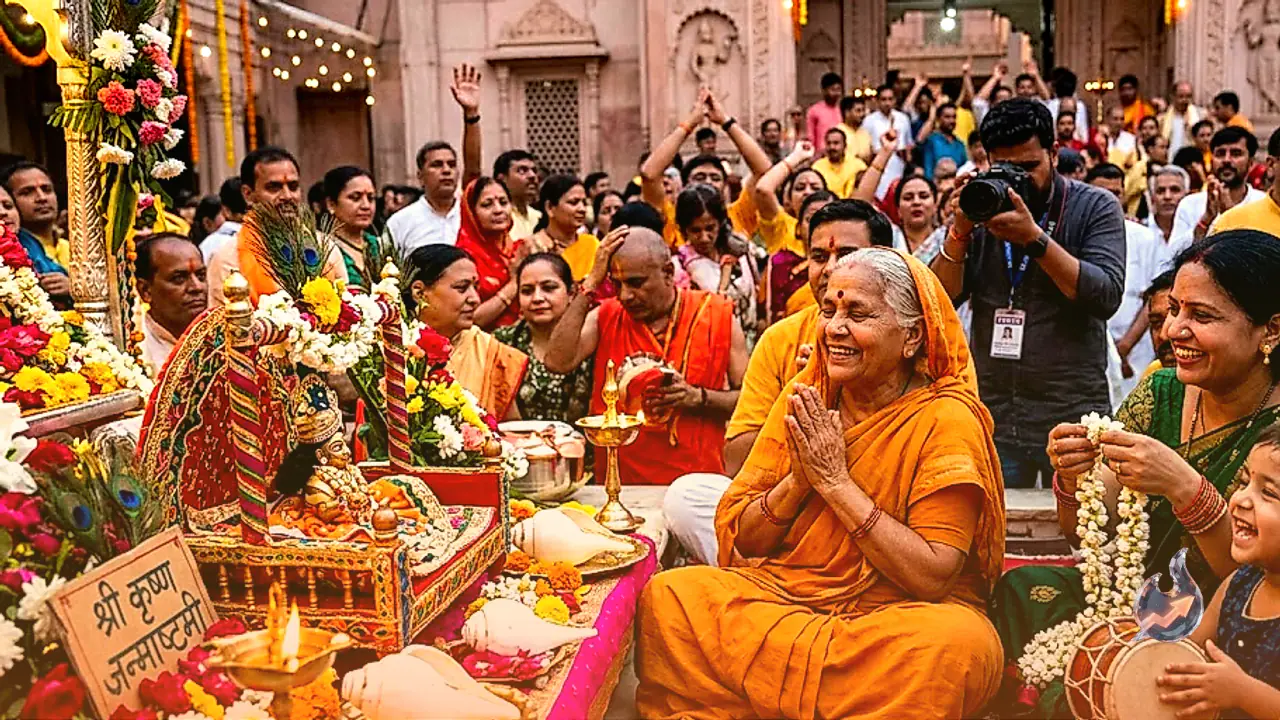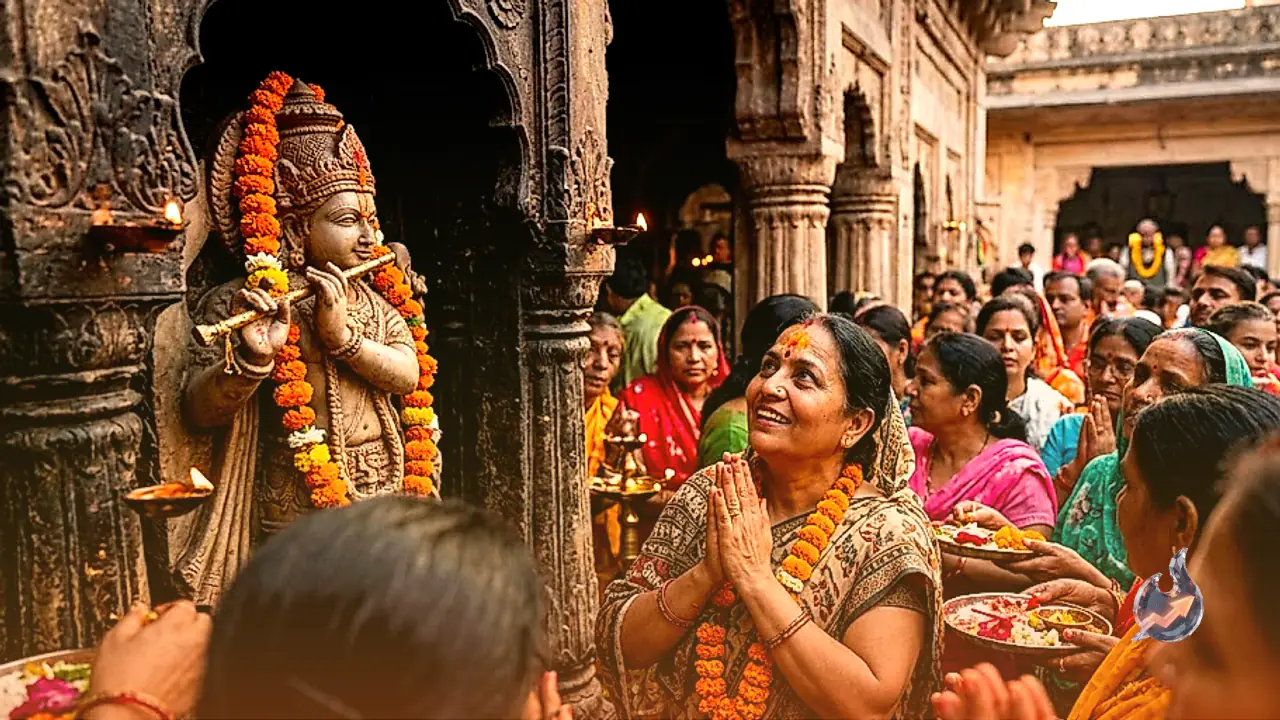




















Meerut, in western Uttar Pradesh, is best known as the town where the first war of independence began, but it carries an equally strong religious identity, since local belief holds it was the home of Ravana's in-laws. Inside the Bileshwarnath Temple in Meerut Sadar, Lord Jagannath sits enshrined with his family, and every year he rides out on a chariot made of more than 450 kg of silver for the city's grand Rath Yatra. This year's procession, a Jagannath Rath Yatra in Meerut, will take place on July 16, 2026, and temple authorities have already finalised elaborate arrangements for the event.
A city with equal weight in history and faith
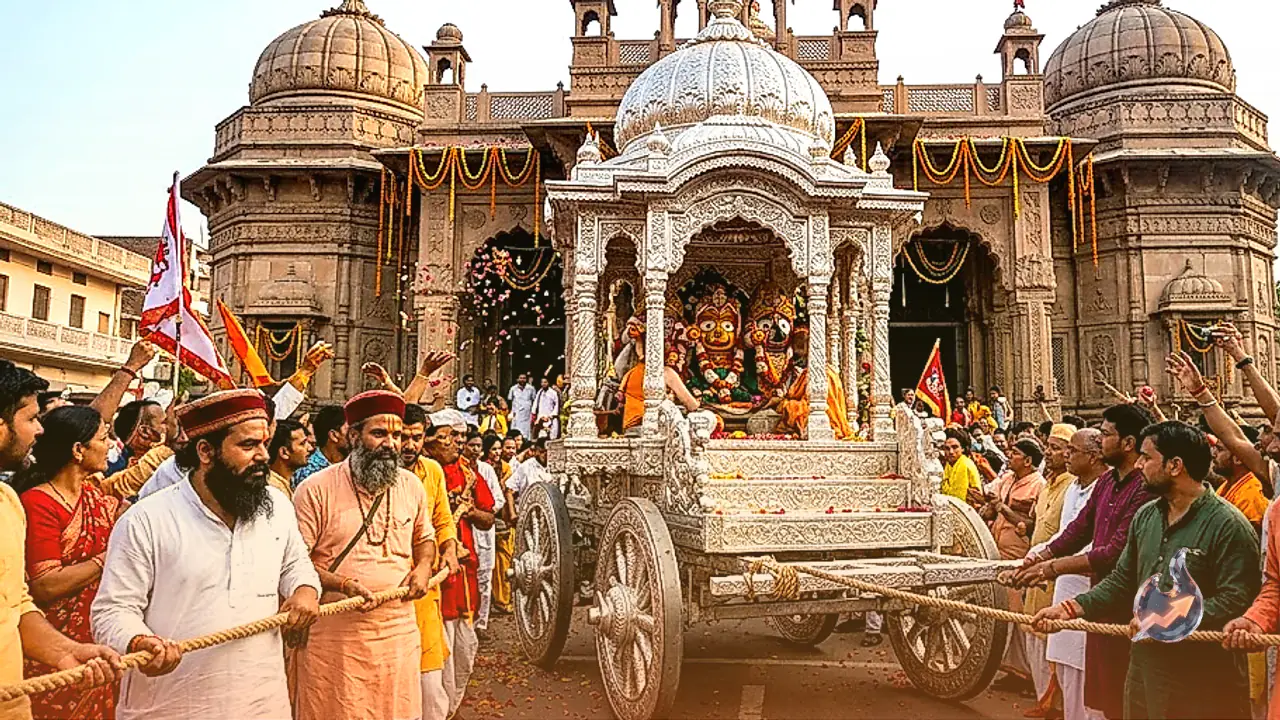
Meerut's fame for launching the first war of independence is matched by a religious history many outside the city may not know about. According to local tradition, the city was where Ravana's in-laws lived, and it is home to several ancient and historic temples that draw deep devotion and curiosity from worshippers. Among them stands the Bileshwarnath Temple in Meerut Sadar, where Lord Jagannath is enshrined along with his family. Each year, his Rath Yatra is carried out here with great reverence and grandeur, with Lord Jagannath joined by Baldev and his sister Subhadra as they ride the silver chariot around the city.
How a 65 kg chariot grew into one weighing over 450 kg
According to the Rath Yatra organising committee, this tradition has continued without a break since before India's independence. When the yatra first began in Meerut, Lord Jagannath rode out on a chariot made of just 65 kg of silver. The practice has carried on uninterrupted ever since. The committee says the chariot is repaired every single year, and silver is used in every repair as well. Because of this constant upkeep and the silver added over the years, the chariot's weight has now crossed 450 kg, and it is this very chariot that carries Lord Jagannath through the city to bless his devotees each year.
Religious tableaux and a route through the city's busiest markets
Alongside the Rath Yatra, several religious tableaux are also taken out through the city, featuring Lord Ganesh, Khatu Shyam, Radha-Krishna and other deities. The procession begins in the area linked to Ravana's in-laws and moves through Bhainsali Maidan, Dalmandi, Baker Street, Sadar, Thana Sadar Bazar, Chowk Bazar, Mumbai Bazar, Hanuman Chowk, Abu Lane and Bharat Chowk. From there it passes through Ganj Bazar and Dholki Mohalla before returning to conclude at the temple complex. The atmosphere across Meerut turns festive during the yatra, with large numbers of residents joining in.
Devotees pull the chariot by hand, echoing Puri's tradition
Much like devotees in Jagannath Puri pull the Lord's chariot with their own hands, the same scene plays out in Meerut. Here too, worshippers use giant ropes to pull the silver chariot carrying Lord Jagannath through the streets. This hand-pulling tradition remains the biggest draw of the entire yatra, bringing devotees from far and wide to take part.
The Mandodari legend behind Bileshwarnath
The same temple complex that houses Lord Jagannath and his family also has Lord Bholenath enshrined as Bileshwarnath. According to belief, Ravana's wife Mandodari used to worship here every day with full rituals. Pleased with her devotion, Lord Bholenath asked her to seek any boon she wished, and Mandodari asked for a learned husband like Ravana.
The yatra rolls out on July 16
The grand Rath Yatra from the Shri Jagannath temple will be held on July 16, 2026. Devotees who wish to take part can join the procession and take darshan of Lord Jagannath. It is believed that Lord Jagannath fulfils the wishes of his devotees and removes their sorrows.