














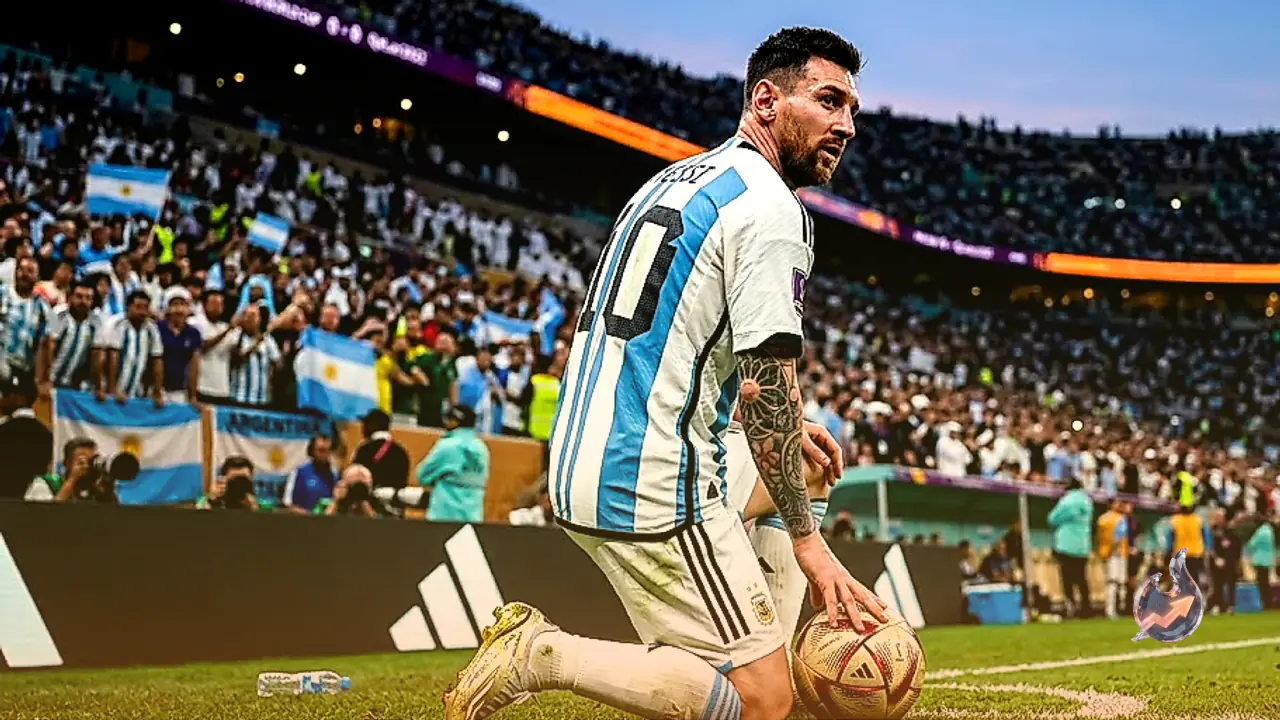

Lionel Messi came back four years after Argentina's heartbreak in 2014 to finally lift the World Cup trophy in Qatar, and by then the story looked complete. Instead, at 39, Messi took the field again this year for another World Cup, and he is nowhere near the only veteran refusing to walk away on schedule. Across this tournament, some of the sport's most decorated names have kept playing well past the age when football used to expect them to retire, turning the event into one long farewell tour.
A Tournament Full Of Goodbyes
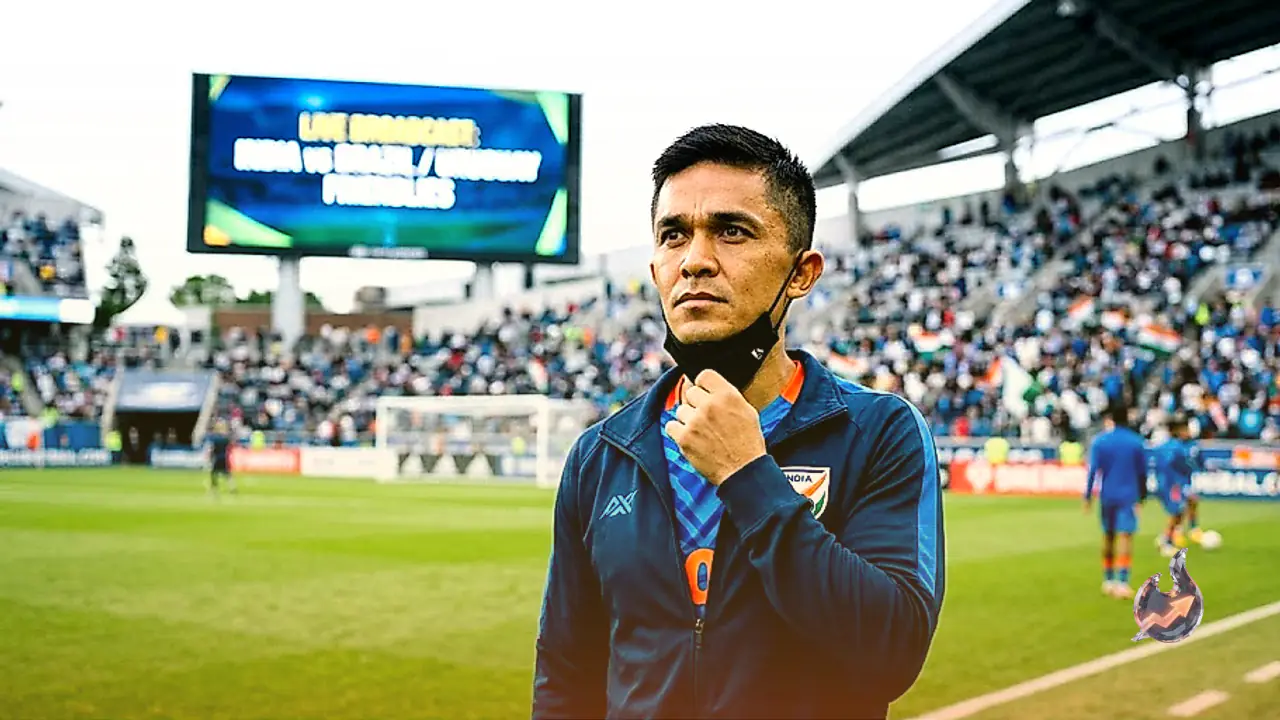
Cristiano Ronaldo, 41, has said this World Cup will be his last, a decision that came after Portugal's Round of 16 exit following their loss to Spain. Brazil's Neymar, 34, has also announced his retirement from international football, and Germany's Manuel Neuer, 40, did the same. Mexico's Guillermo Ochoa, who turned 41 this month, is stepping away from professional football altogether after becoming the first goalkeeper ever to make six World Cup squads. Taken together, these exits have made this tournament feel less like a passing of the torch and more like a prolonged goodbye from a generation that simply refused to leave on time.
The Numbers Show Football Is Getting Older
There is no single global dataset that tracks retirement ages across football generations, but the evidence available points firmly in one direction: the sport's elite has been aging for decades. A peer-reviewed study published in 2019 in Frontiers of Psychology, which tracked nearly 30 seasons of the UEFA Champions League, found that the average age of players climbed from 24.9 years in the 1992-93 season to 26.5 years by 2017-18. That slow shift is now visible in dramatic fashion at the 2026 FIFA World Cup, which fielded eight players in their forties, more than every previous edition of the tournament combined. Among them was Cape Verde's 40-year-old goalkeeper Vozinha, who turned into one of the breakout stars of the entire competition.
Young Stars Have Not Disappeared
What makes this trend unusual is that it is unfolding at the same time football is producing teenage phenomena such as Lamine Yamal, Endrick, and Bara Sapoko Ndiaye. The sport is not getting older because a new generation failed to arrive. It is getting older because its veterans are simply choosing to leave later than they once did, playing alongside teenagers rather than being replaced by them.
What Actually Happens To A Footballer's Body After 30
Research on elite athletes suggests professional footballers still hit their physical peak in their mid-to-late twenties, though the exact age varies with position. Aging in the sport is gradual rather than sudden, but players in their thirties do begin to lose the explosive speed and the stamina needed to sustain the high-intensity running that the modern game demands. A long-term study of Spain's top players found that these losses in endurance were most pronounced among external defenders, external midfielders, and forwards, positions that depend heavily on explosive acceleration either to score or to protect their own goal. Central defenders and central midfielders told a different story: their passing accuracy actually improved with age, suggesting that positioning, anticipation, and decision-making increasingly step in to cover for fading speed.
How Messi Learned To Play Smarter, Not Faster
Messi may be the clearest example of how elite players adapt as they age. Instead of constantly chasing the ball around the pitch, he now spends long stretches simply walking, reading how the game is developing before choosing the exact moment to get involved. FIFA tracking data cited by The Athletic showed that Messi spent 63 percent of his total movement at this World Cup walking, conserving his energy for the moments that actually decide matches.
The Science Behind Longer Careers
None of this means sports science has changed the biology of aging. What it has changed is how football clubs respond to it. A 2024 review of athletes with unusually long careers found a clear correlation between players staying at the top of their game and the growing use of individualized training. Instead of handing an entire squad the same program, coaches now build workloads around each player's injury history, recovery patterns, response to training, and overall physical capacity.
Experience Becomes The New Speed
As players age, experience itself turns into a competitive advantage. Veteran footballers increasingly make up for declining physicality with sharper decision-making, better game intelligence, and a clearer understanding of their own limits, qualities that only come with time on the pitch.
What A Study Of Nearly 3,500 Portuguese Footballers Found
To understand what actually separates long careers from short ones, researchers tracked 3,467 retired Portuguese footballers who played between 1960 and 2018, following each one from youth soccer all the way through retirement. The average retirement age across that group came out to 32.7 years, and the researchers argued that career length is shaped by long-term athlete management and by how individual players adapt over time. In today's game, there may be another factor at work: for global stars such as Ronaldo and Messi, stretching out a career is no longer purely a sporting decision.
Why Clubs, Sponsors And Broadcasters Want The Stars To Stay
Clubs, sponsors, and broadcasters all have a direct financial stake in keeping football's biggest names on the pitch for as long as they can still compete at a high level, which adds commercial pressure to what used to be a purely athletic decision about when to retire.
Inside The Machine That Keeps Veterans Playing
Helping players last longer has become a science of its own. GPS trackers now measure sprint speed, accelerations, decelerations, total distance covered, and training load, while heart-rate monitoring and recovery data allow performance staff to spot fatigue before it turns into an injury. Clubs increasingly build recovery around what sports scientists call the 4Rs: rehydrate, refuel, repair, and rest. Those basics are combined with individualized nutrition plans, sleep monitoring, and carefully managed workloads, while cold-water immersion, compression garments, and massage are used to reduce muscle soreness and get players ready for the next match.
Ronaldo's At-Home Recovery Routine
For a driven player like Ronaldo, the work does not stop once he leaves the training ground. He has publicly shared glimpses of the recovery routine he maintains at home, which combines sleep tracking and expensive technology such as cryotherapy machines with his own personal team of physiotherapists, nutritionists, and performance coaches.
Even so, not even Ronaldo can fully escape the reality of losing pace and needing longer to recover as he ages. For many of today's biggest stars, retirement is turning into less a question of when the body finally gives out, and more a question of when they personally feel ready to step away.