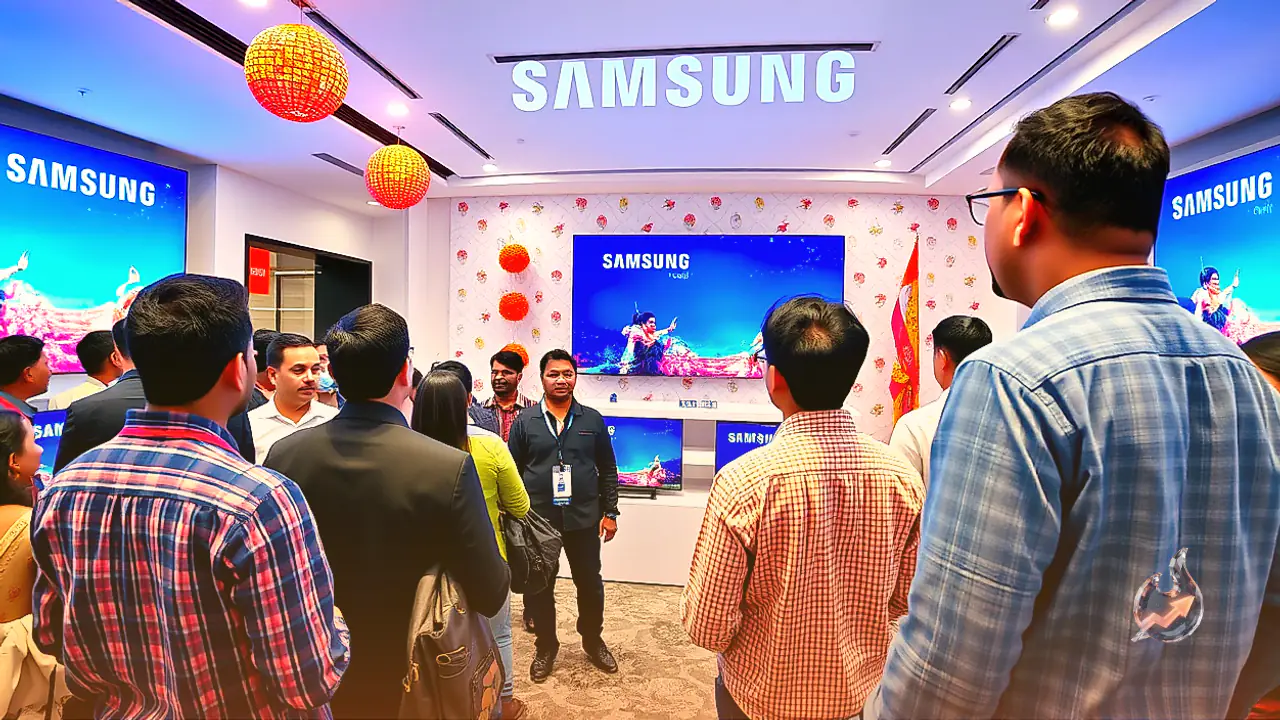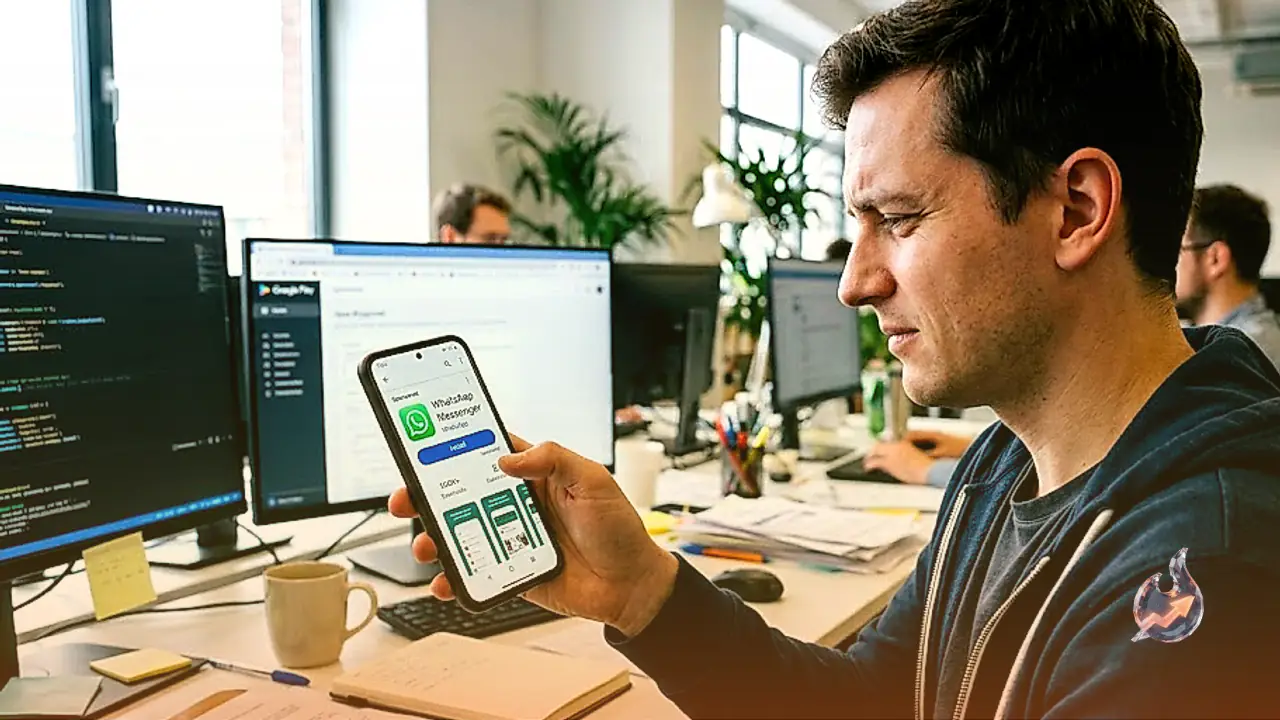






















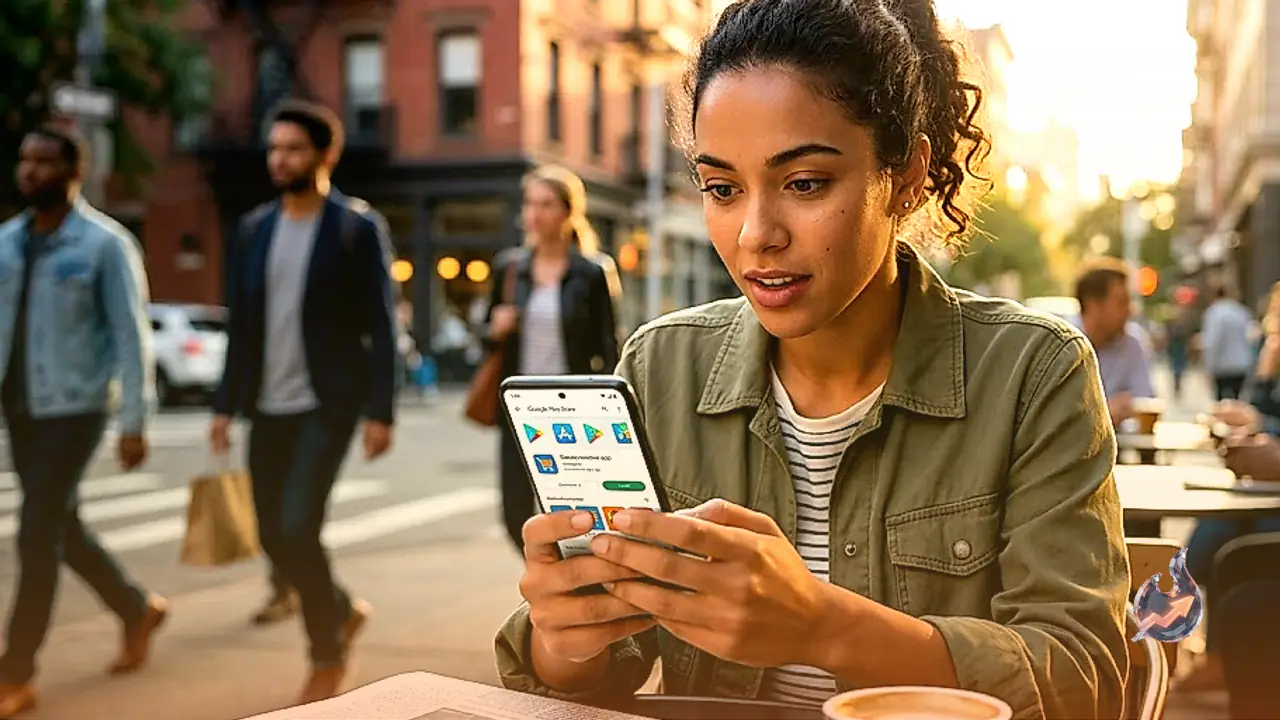

Google is preparing to let rival app marketplaces operate from inside its own Play Store, a change that reshapes how hundreds of millions of Android owners have shopped for apps for more than a decade. Until now, most Android users stuck almost entirely to the Play Store, occasionally sideloading an app from a website or turning to a phone maker's own storefront, such as the Samsung Store. That habit is about to get an official alternative built right into the app users already trust.
How The New System Will Work
Starting July 22, developers will be able to launch their own app marketplaces that live and operate through the Play Store itself. These third-party marketplaces will be able to sell their own apps directly to users, and they will also be able to pull in and offer apps that Google already hosts on the Play Store. In a significant twist, every app created by a U.S.-based developer will automatically be made available on these third-party marketplaces, unless that developer specifically opts out. In other words, developers will need to actively choose to keep their apps off rival storefronts rather than opt in to join them.
Rules Third-Party Stores Still Must Follow
Even though these marketplaces will be able to distribute apps outside the traditional Play Store experience, they remain firmly under Google's control. Google has laid out a long list of requirements that marketplace operators must meet, covering security, privacy and user safety. On top of that, any company that wants to run an app marketplace on the Play Store will have to pay Google $5,000 upfront to cover security and policy reviews needed to onboard Play Store apps, and that fee has to be paid again every year to keep the marketplace running.
The Epic Games Legal Battle Behind The Change
This is not a change Google is rolling out purely out of goodwill. It is the direct result of an agreement between Google and Epic Games, the maker of Fortnite. Epic Games has spent years fighting both Google and Apple in court, a battle that began after Fortnite was pulled from both the iOS App Store and the Play Store. Epic Games had grown frustrated with the steep fees both platforms charged developers, and in protest it built a way for users to pay Epic Games directly, letting them skip those fees entirely. That workaround broke both the App Store's and the Play Store's policies, and triggered Fortnite's removal from each.
The 2021 Ruling And Google's Fight To Reverse It
The legal fight produced a landmark result in 2021, when a judge ruled that Google held an illegal monopoly over Android applications and ordered the company to open its platform to third-party app stores. Google spent nearly two years afterward trying to get that ruling undone. It came close, persuading Epic Games to settle the underlying case for $800 million. As part of that settlement effort, Google agreed to allow third-party app stores to operate, but not through the Play Store itself, offering them only as separate, standalone downloads. The judge overseeing the case found that arrangement insufficient and rejected it.
Google Withdraws Its Court Motion
Both Google and Epic Games were scheduled to appear in court on Thursday to continue arguing over how the injunction should be modified. Instead, Google withdrew its motion altogether. A spokesperson for the company explained the decision in a statement shared with the judge: "We've agreed with Epic to withdraw our motion to modify the U.S. Court's injunction rather than prolonging this process which creates uncertainty for the ecosystem. This allows us to focus on executing our recently announced global business model evolution to deliver greater app store choice, lower prices, and more opportunities for developers and users. We remain committed to maintaining Android's industry-leading security and fostering a competitive ecosystem where every app store and developer has the freedom to compete. In parallel, we continue to comply with the U.S. Court's injunction."
What Happens Next
Exactly how the experience will look for everyday users will not be clear until these third-party marketplaces actually go live inside the Play Store on July 22. Because Google is imposing such strict requirements on any marketplace operator, the day-to-day experience of browsing and downloading apps should feel broadly similar no matter which storefront a person uses. Epic Games, given its history with the case, is expected to roll out its own marketplace once the option opens up, but it remains to be seen which other companies decide to follow. For comparison, Apple currently allows third-party app stores only in the European Union, where regulators have forced its hand, leaving Google's approach notably broader in scope for now.