






















An app that let strangers switch off e-rickshaws from a distance has been pulled from both Google Play Store and Apple's App Store on the government's instructions. Two apps have been deleted in this action, which was ordered against the controversial BAT-BMS app.
What triggered the action
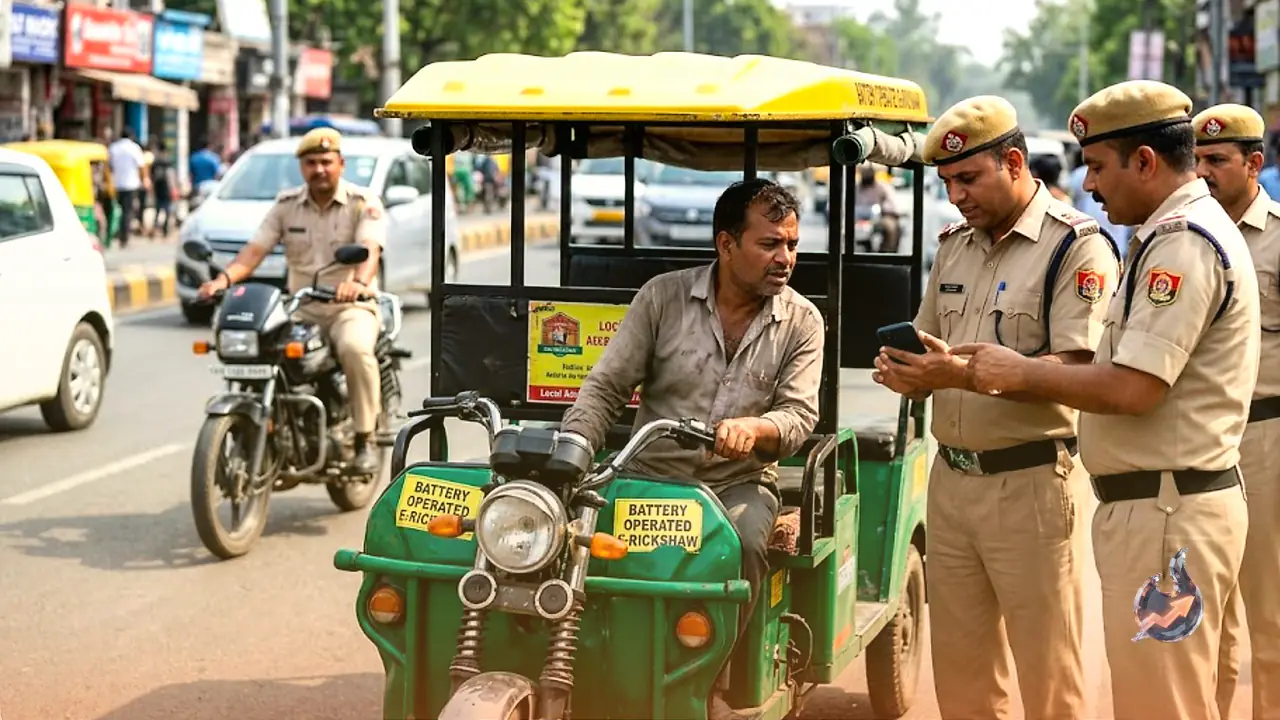
The apps are alleged to have been used by some people to remotely shut down e-rickshaws. The move comes amid growing concerns over safety and the potential misuse of such technology. The investigation and monitoring of the matter will continue going forward. In recent days, several videos and posts related to the BAT BMS app went viral on social media, claiming that people were using the app to switch off e-rickshaws from a distance, causing financial losses to many drivers. As incidents of e-rickshaws suddenly shutting down increased and driver complaints kept mounting, the matter turned serious, prompting the concerned authorities to launch an investigation.
How the Bluetooth trick worked
Many affordable e-rickshaws run on lithium-ion batteries, and inside these batteries sits a Battery Management System, or BMS, that keeps track of the battery's overall health, how much charge is left, whether it is overheating, and whether any technical fault has developed. Some cheap batteries, particularly ones made in China, come with a Bluetooth feature built into this BMS. If that Bluetooth connection has no password or security lock, anyone nearby can connect to it from their phone, much like how anyone can join an open Wi-Fi network or an unsecured Bluetooth device. The BAT-BMS app exploited exactly this unsecured Bluetooth connection to gain access to the battery's system, something being viewed as a serious security risk.
How far does the Bluetooth range reach
According to a report by The Economic Times, battery management systems that lack a security lock typically have a Bluetooth range of 10 to 15 metres. That means someone standing by the roadside, or in a nearby vehicle or on a bike, could attempt to connect to the battery system over Bluetooth. In such cases, the e-rickshaw suddenly stops working, and the driver has no idea what actually went wrong with the vehicle.
Which batteries are most at risk
Batteries from established, branded companies typically come with strong security and encryption systems, so they are not considered to carry this kind of risk. The danger is mostly seen in cheap, aftermarket batteries, which are used in large numbers of e-rickshaws.