
Tucked into the south-eastern corner of Rajasthan, the Kota division is a quiet treasure for anyone who loves the wild. Made up of four districts, Kota, Bundi, Baran and Jhalawar, this region is counted among the state's richest in natural wealth and biodiversity. It is home to three major wildlife sanctuaries, the Darrah Wildlife Sanctuary, the Jawahar Sagar Wildlife Sanctuary and the National Chambal Gharial Sanctuary. Together they protect a remarkable range of wildlife while also driving tourism and environmental conservation.
From Darrah to Mukundra Hills: A Royal Hunting Ground Reborn
Once the hunting grounds of the Maharajas of the erstwhile Kota princely state, the Darrah Wildlife Sanctuary is today better known as the Mukundra Hills Tiger Reserve. Spread across the Kota and Jhalawar districts of south-eastern Rajasthan, this protected area was given the status of a wildlife sanctuary back in 1955. It lies roughly 50 kilometres from Kota district and covers an area of about 250 square kilometres.
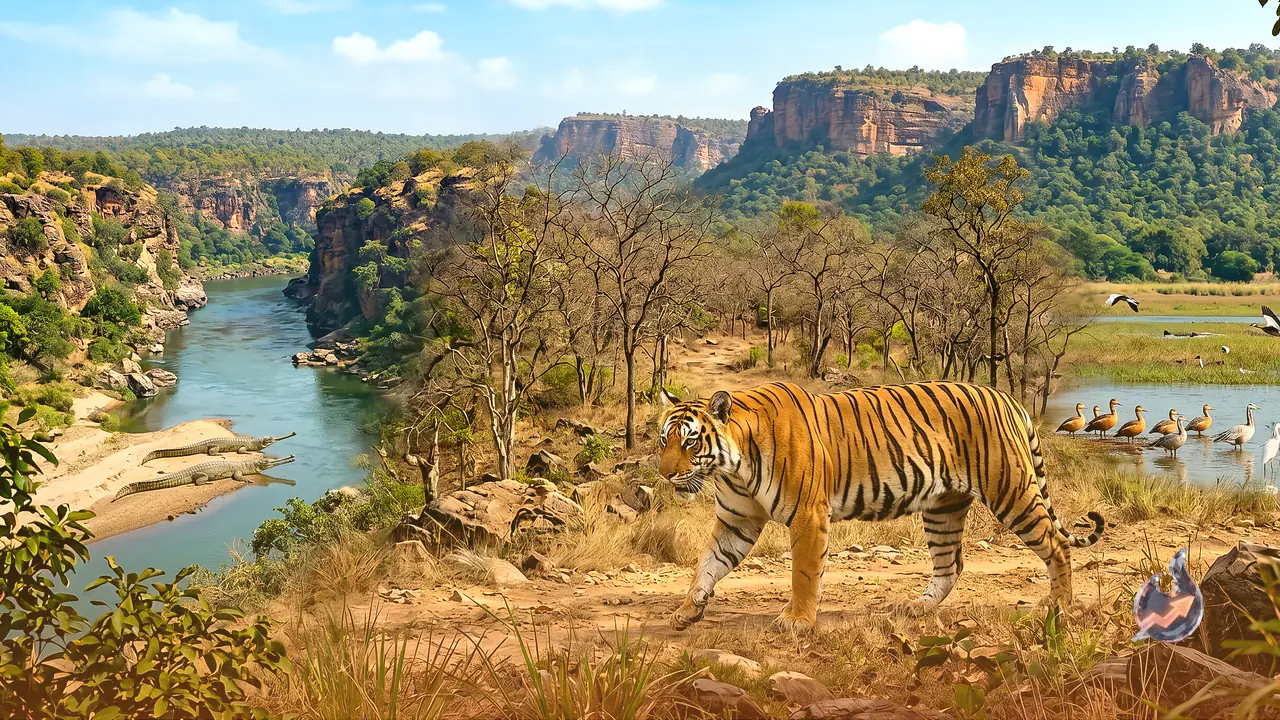
Dense vegetation, hilly terrain and varied wildlife define this stretch. Visitors can spot leopards, bears, deer and wild boar, along with many species of birds. The forest is also home to chinkara, sambar, nilgai, wolves, sloth bears and spotted deer. Rare trees and plants with medicinal properties add further depth to its biodiversity. The old hunting lodges built by Kota's former rulers still stand here, a reminder of the sanctuary's historic past. Its natural beauty, abundant wildlife and royal legacy place it firmly among Rajasthan's leading tourist destinations.
Ramgarh Vishdhari: India's 52nd Tiger Reserve
Located in Bundi district, the Ramgarh Vishdhari Tiger Reserve was declared India's 52nd tiger reserve in 2022. Spread over roughly 1500 square kilometres, it serves as a vital corridor for the movement of wildlife between the Ranthambore and Mukundra Hills tiger reserves. Dense forests, hilly tracts and rich biodiversity mark the area, which supports healthy numbers of leopards, bears, deer and other animals.
This land was once under the protection of the Hada Chauhan rulers and is celebrated for its natural and historical heritage. Tigers, leopards, bears, caracals and striped hyenas roam here, alongside more than 200 bird species. The thick forests of dhok and salar trees strengthen the region's biodiversity and create a favourable habitat for wildlife. That is precisely why, beyond tiger conservation, the reserve draws both tourists and researchers.
For nature and wildlife lovers, Ramgarh Vishdhari is a memorable getaway where forest conservation, biodiversity and Bundi's royal heritage come together in a rare blend. Visitors get to experience dense jungles, hilly landscapes and a colourful array of wildlife up close. Its calm surroundings and natural charm make the trip all the more thrilling.
Sorsan Grassland: A Winter Home for Migratory Birds
Set in the Anta tehsil of Baran district, the Sorsan Wildlife Sanctuary is a protected eco-tourism spot also known as the Sorsan grassland. Covering about 41 square kilometres, the sanctuary is defined by its open grasslands, ponds, lakes and shrubby vegetation. It is widely regarded as a paradise for birdwatchers.
Orioles, quails, partridges, baya weavers and robins gather here in large numbers, along with a variety of waterbirds. Animals such as chinkara and blackbuck are also easy to spot. As winter sets in, the Sorsan grassland turns into a major refuge for migratory birds. During this season, visitors arrive to see warblers, flycatchers, larks, starlings and rosy pastors, enriching the area's biodiversity even further. With its abundant birdlife, natural beauty and tranquillity, Sorsan ranks among Rajasthan's important nature tourism destinations.